The White colicroot Plant Advantage: Maximizing Home and Office Appeal and Wellness
1
This botanical specimen is recognized for its striking star-like white blossoms that appear in the latter part of spring.
2
It possesses historical applications in diverse societies for promoting health and well-being.
3
Cultivating this flora necessitates soil with good drainage and exposure to partial or full sun.
What Makes White colicroot Unique?
Distinctive Appearance
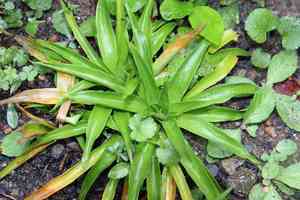
The most striking characteristic of White colicroot is its beautiful, star-shaped white blooms. These flowers enhance any garden's visual appeal with their pure beauty and distinct form. The plant grows up to two feet tall and features slender, grass-like foliage that adds texture to your landscape.
Adaptability in Gardening
One of White colicroot's excellent qualities is its ability to adapt to various garden environments. It thrives best in sandy, well-drained soils and prefers areas with partial to full sun exposure. Additionally, it possesses natural resistance to many pests and diseases, making it a low-maintenance choice for gardeners.
How Can White colicroot Enhance Your Garden?
Aesthetic Appeal
The visual charm of White colicroot cannot be overstated. Its delicate white blossoms appear in late spring and early summer, creating an ethereal backdrop that can be the focal point of your garden. When planted in clusters, they can form an eye-catching display that attracts not only human admirers but also pollinators like bees and butterflies.
Soil Improvement
Beyond its beauty, White colicroot contributes to the health of your garden's soil. Its root systems help prevent soil erosion and enhance soil structure. Over time, this can lead to healthier, more fertile ground, allowing other nearby plants to flourish as well.
What Are the Traditional Uses of White colicroot?
Cultural Significance
Throughout history, White colicroot has been revered in various cultures for its unique attributes. Traditionally, it has been utilized in practices aimed at maintaining well-being. While the precise methods vary, the plant has consistently been valued for its potential in promoting balance and vitality.
Modern-Day Applications
In contemporary settings, White colicroot continues to hold a special place in wellness routines. People have adapted traditional practices to modern needs, incorporating the plant into holistic wellness plans. Though itâs important to consult credible sources before integrating it into any routine, its legacy as a valuable botanical resource remains strong.
How to Grow and Care for White colicroot
Optimal Growing Conditions
For those interested in cultivating White colicroot, begin by ensuring you have the correct soil typeâsandy and well-drained. Plant the seeds or seedlings in an area that receives ample sunlight, though some shade is also acceptable. This plant is relatively hardy and doesnât require intensive care, making it suitable even for novice gardeners.
Maintenance Tips
Consistent watering during the initial growth stages is crucial, but once established, White colicroot is quite drought-resistant. Mulching can help retain moisture and keep the roots cool. Pruning is generally unnecessary, but removing dead leaves can keep the plant looking its best.



