How to Prune White colicroot?
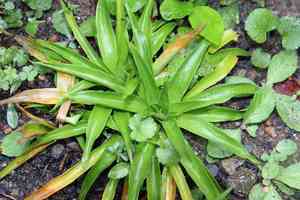
This perennial herb, recognized by its elevated white flower clusters, thrives with limited trimming to preserve its inherent form. Trimming of white colicroot ought to occur following its blooming period, generally in late summer or autumn, to eliminate faded blossoms and stimulate robustness. Deceased or injured leaves can be trimmed in spring to foster fresh development. Refrain from excessive pruning, as it could diminish the plant's hardiness and capacity for flowering.
What Are the Benefits of Pruning White Colicroot?
What Are the Benefits of Pruning White Colicroot?
Trimming white colicroot promotes more abundant flowering, stimulates robust development, and helps maintain a compact, appealing form, ensuring the plant stays healthy and visually pleasing.
What Is the Best Time for Pruning White Colicroot?
What Is the Best Time for Pruning White Colicroot?
Pruning white colicroot from late spring to early summer coincides with the period after flowering, when the plant's energy is directed towards growth rather than seed production. This timing allows gardeners to shape the plant and remove faded flower stalks without disrupting its natural growth cycle. Trimming during this time also helps maintain plant health by eliminating dead or diseased tissue before the plant enters dormancy in autumn and winter. It is crucial to avoid pruning in late fall, as cuts may not heal before cold weather arrives, potentially leading to stress and damage.
What Tools Do I Need to Prune White Colicroot?
Bypass Pruners
For shaping white colicroot's foliage and removing spent blooms, bypass pruners are ideal. Their sharp, curved blades create clean cuts without crushing delicate stems, which is vital for promoting good plant health.
Gardening Gloves
Protective gardening gloves should be worn to shield hands from potential irritants or sharp edges when handling white colicroot.
Pruning Shears
For smaller, more precise cuts needed to maintain the shape or remove dead leaves of white colicroot, hand-held pruning shears can also be very effective.
Garden Snips
Small garden snips can be used for thinning out dense areas of white colicroot or for more detailed pruning work if necessary. They offer precise control and easy access in confined spaces.
How to Prune White Colicroot
Identify
Examine white colicroot for diseased, withered leaves and spent flower stalks, as these parts need to be removed for healthy growth.
Sterilize
Sanitize your pruning tools with alcohol or a bleach solution to prevent disease spread before and after making cuts on white colicroot.
Cut diseased leaves
Remove diseased leaves by cutting at their base where they meet the stem, ensuring clean cuts to avoid damaging the remaining healthy parts of white colicroot.
Remove withered leaves
Take off withered leaves by gently pulling them from the stem or by snipping them at the base to prevent leaving stubs that could rot and harm white colicroot.
Prune flower
Cut back the faded flower stalks to the plant's base to encourage white colicroot to direct energy into new growth and root development.
Common Pruning Mistakes with White Colicroot
Overpruning
A common error is removing too much growth, which can stress white colicroot, leading to reduced vigor or a failure to flower.
Improper cut location
Cutting too far from a node can leave a long stub that may rot, inviting disease. Conversely, cutting too close to a node can damage the bud.
Tearing stems
Using dull or incorrect tools can cause stems to tear, resulting in unnecessary injury to white colicroot and increasing its susceptibility to pests and diseases.
Pruning at wrong growth stage
Trimming white colicroot when new growth is emerging can accidentally remove developing flower buds, impacting the plant's blooming potential.
Common Pruning Tips for White Colicroot
Use sharp tools
Always use sharp, clean pruning shears or scissors for precise cuts that will heal quickly, minimizing stress and disease risk to white colicroot.
Focus on dead material
Remove only dead or damaged foliage and spent flower stalks to maintain plant health without significantly affecting next year's growth.
Prune spent flowers
After white colicroot blooms, deadhead the spent flowers to potentially encourage more blooms and prevent the plant from investing energy into seed production.
Maintain natural shape
When pruning white colicroot, aim to preserve its natural form. This will enhance its appearance and promote healthy growth patterns.
Light pruning
Opt for light pruning rather than cutting white colicroot back severely, which is preferable for maintaining the plant's health and aesthetic form.



