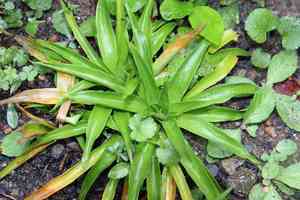
White colicroot (Aletris farinosa)
Also known as: True unicorn
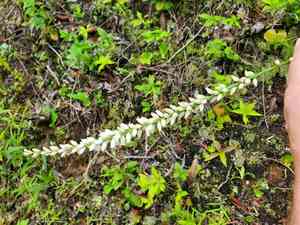
White colicroot (Aletris farinosa) is a wildflower that grows across central and eastern North America, characterized by tall stalks of white flower spikes rising high above the rest of the plant. Found in open woods, meadows, and along roadsides, it attracts pollinators and is sometimes used in gardening specifically for that reason.
In This Article
Attributes of White colicroot
Lifespan
Perennial
Plant Type
Herb
Plant Height
46 cm to 91 cm
Spread
5 cm to 18 cm
Leaf Color
Green Yellow Gold
Flower Size
2.5 cm
Flower Color
White Pink
Images of White colicroot
Quickly Identify White colicroot
1
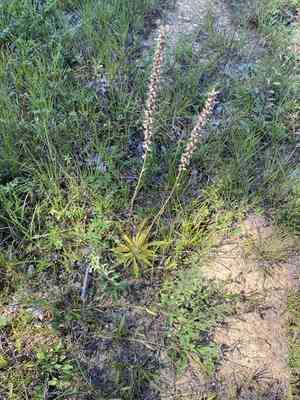
Tall spike-like raceme (6-18 inches, 15-46 cm) with bell-shaped creamy white flowers.
2
Distinctive warty mealy white flowers in a spike-like cluster, not in a spiral pattern (0.2 inches, 0.5 cm diameter).
3
Diminutive ovoid fruit capsule (0.2-0.4 inches, 5-10 mm) with dry, papery texture.
4
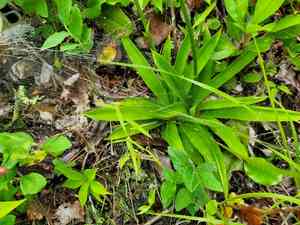
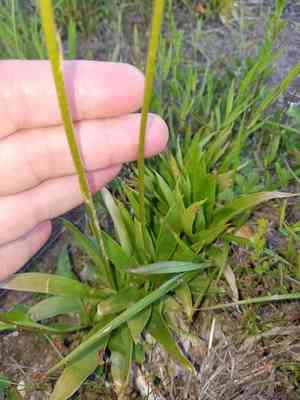
Pale yellow-green leaves (2-7 inches, 5-18 cm) in a basal rosette, narrow with subtle vein pattern.
5
Pubescent pale green stem (1-2 feet, 30-60 cm) with fine hairs, unbranched and straight.
Scientific Classification of White colicroot
Phylum
Vascular plants
Class
Monocotyledons
Order
Dioscoreales
Family
Bog asphodel
Genus
Colicroots
Species
White colicroot
Planting and Growing of White colicroot
Care Difficulty
Easy
Watering Schedule
Every 2 days
Sunlight Requirements
Partial sun
Sunshine Duration
4-10 hours
Ideal Temperature
60-75℉
Soil Type
Potting Mix, Peat Mix
Soil pH
4.5-6.5
Fertilizer Type
Balanced
Pruning Season
Spring, Summer
Pruning Area
Branches, Leaves
Pruning Frequency
2 times a year
Repotting Season
Spring
Pot Type
Plastic, Ceramic
 How to Water White colicroot?
Aletris farinosa prefers a moderate watering regime. The ideal approach is to deliver just enough water to moisten the soil without causing it to become soggy. A general guideline is to water until about 200 milliliters has been absorbed by the soil. Ensure the top 1-2 inches of the soil feels damp but not thoroughly wet. This method prevents overwatering and mimics the plant's natural moisture conditions.
What are the symptoms of an underwatered White colicroot?
›
What should I do if my White colicroot is not getting enough water?
›
What are the symptoms of an overwatered White colicroot?
›
How to save an overwatered White colicroot?
›
 What Are the Sunlight Requirements for White colicroot?
Aletris farinosa prefers partial sun, which includes a mix of dappled sunlight and shade. This ensures optimal photosynthesis and keeps the plant’s leaves vibrant and healthy, promoting overall vigor and endurance.
More About Sunlight Requirements Techniques→
Optimal Sunlight Exposure
›
Balancing Sun and Shade
›
Use of Artificial Lighting
›
 What Is the Ideal Temperature Range for White colicroot?
The ideal temperature range for Aletris farinosa is between 60°F and 75°F. These temperatures mimic the warm, temperate conditions of its native habitats. Within this range, the plant is likely to exhibit optimal growth and vitality. Maintaining this temperature helps in ensuring healthy foliage and robust overall development.
 What Soil is Best for White colicroot?
Aletris farinosa thrives best in well-drained soil as it helps prevent root rot and other water-related issues. Proper drainage ensures that the roots have access to oxygen and nutrients, fostering healthy growth. This plant prefers soil with moderate moisture, neither too wet nor too dry. Consistent moisture helps in maintaining vibrant foliage and robust flowering, which is typical of healthy Aletris farinosa. Ensuring the soil is rich in nutrients aids in the healthy development of Aletris farinosa. Organic matter like compost can enhance soil fertility, promoting lush growth and resilience against stress.
 How to Fertilize White colicroot?
Aletris farinosa, also known as 'unicorn root', requires careful fertilization to thrive. When using liquid fertilizers, it’s essential to provide a dilution suitable for fragile plants—typically, use less than half the recommended strength for other robust garden plants due to its sensitivity.
 How to Prune White colicroot?
Before pruning, carefully inspect Aletris farinosa to identify any dead or diseased foliage. Removing these parts will ensure the plant's energy is directed towards healthy growth and help prevent disease spread. When cutting back leaves or stems, make clean cuts at a 45-degree angle. This helps water run off and prevents rot, while also promoting new and directed growth in a more natural form. Choose a dry day for pruning to minimize the risk of infection. Wet conditions can foster fungi and bacteria, which may invade fresh cuts if the plant is pruned during these times.
More About Pruning Techniques→
 How to Propagate White colicroot plant?
1
Begin by acquiring high-quality seeds of Aletris farinosa. Soak the seeds for 24 hours to improve germination rates by softening the seed coat.
2
Fill a growing tray with seed starting mix and evenly distribute the soaked seeds on the surface. Lightly press them into the soil, ensuring good seed-to-soil contact.
3
Gently mist the surface of the soil with water to keep it moist but not waterlogged. Place the tray in a warm, sunny location or use a grow light to maintain consistent warmth and light.
 How to Repot White colicroot plant?
1
Aletris farinosa, also known as colic-root, requires repotting primarily when you notice that its roots are becoming bound or protruding out of the current container. Another sign is when the soil starts to degrade, affecting water drainage and retention. These indicators suggest it's time to offer the plant a roomier home, allowing for healthier growth during the growing season.
2
The ideal pot for Aletris farinosa should be slightly larger than its current one, with adequate drainage holes to prevent waterlogging. A clay pot can be beneficial as it allows the soil to dry more evenly and reduces the risk of root rot. Selecting the right size ensures the plant focuses on developing strong roots without excess moisture retention, leading to a more vigorous plant.
3
Opt for a well-draining, sandy soil mix to mimic Aletris farinosa’s natural habitat. This type of soil prevents waterlogged conditions and promotes good aeration around the roots. Including perlite or coarse sand in the mix enhances drainage and maintains adequate oxygen levels, crucial for the plant's healthy growth and preventing fungal diseases.



