How to Transplant Common agrimony?
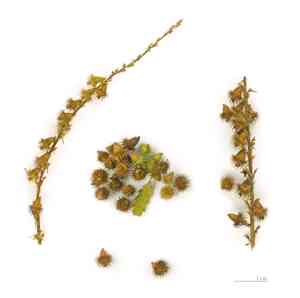
Common agrimony is ideally transplanted from the start of the growing season to the peak of late spring. It flourishes in locations offering full sun to partial shade and well-draining earth, which facilitates rapid root recovery and vigor.
What Preparations are Needed Before Transplanting Common Agrimony?
What is the Ideal Time for Transplanting Common Agrimony?
The optimal period for relocating common agrimony extends from the refreshing chill of early spring to the vibrant warmth of late spring. During this phase of renewed growth, the milder temperatures combined with increasing daylight provide perfect conditions for common agrimony to establish roots without the strain of summer heat. Moving common agrimony in this season allows the perennial to benefit from spring rains that promote root development. By summer, common agrimony will possess a strong root system, ready for robust growth and resilience. Our gardening instincts tell us that timing is crucial; transplant in spring for common agrimony to flourish!
How Much Space Should You Leave Between Common Agrimony Plants?
When arranging your common agrimony, aim for approximately 12-18 inches (30-46 cm) of separation. This provides each plant ample room to thrive without crowding, ensuring proper air circulation and development.
What is the Best Soil Mix for Common Agrimony Transplanting?
For common agrimony, prepare a bed with well-draining soil enriched with organic material. A balanced, slow-release fertilizer will give your common agrimony an excellent start. Target a soil pH between 5.5 and 7.0 for peak growth.
Where Should You Relocate Your Common Agrimony?
Select a sunny location for your common agrimony as it flourishes with abundant light. Partial shade is also acceptable, but ensure common agrimony receives at least 4 hours of direct sunlight daily for healthy development.
What Equipments Should You Prepare Before Transplantation Common Agrimony?
Gardening Gloves
To safeguard your hands while handling soil and plants.
Trowel
For excavating small holes and moving common agrimony if it's in small pots or seedling trays.
Shovel or Spade
Necessary for digging out common agrimony without harming the root ball, if it's being moved from the ground.
Watering Can
To hydrate common agrimony before and after relocation to minimize transplant shock.
Pruning Shears
To trim any dead or damaged roots or foliage prior to transplanting.
Wheelbarrow or Garden Cart
To transport common agrimony and soil, especially if it's large or heavy.
Mulch
To apply around the base of common agrimony after transplanting to help retain moisture and suppress weeds.
How Do You Remove Common Agrimony from the Soil?
How Do You Remove Common Agrimony from the Soil?
From Ground: First, moisten the common agrimony plant to dampen the soil. Then, dig a wide trench around the plant using a shovel or spade, ensuring the plant's root ball remains intact. Carefully work the spade beneath the root ball to lift the plant from its original spot.From Pot: Gently tilt the pot sideways and tap the bottom to loosen the soil. Gradually ease the common agrimony out while supporting the plant at its base. If the roots are circling the pot, gently separate them before transplanting.From Seedling Tray: Water the common agrimony seedlings to ensure the soil is moist. Use a trowel or your fingers to gently lift each seedling from the tray. Be careful not to damage the delicate roots and handle the seedling by its leaves, not the stem.
Step-by-Step Guide for Transplanting Common Agrimony
Preparation
Gather all necessary tools and thoroughly water the common agrimony to prepare for the move.
Root Ball
Carefully extract the common agrimony from its initial location, preserving as much of the root ball as possible.
Planting Hole
Excavate a hole in the ground that is twice as wide and equally as deep as the common agrimony's root ball.
Inserting Plant
Place the common agrimony into the planting hole. The top of the root ball should be level with the surrounding soil surface.
Soil Backfill
Refill the hole with the excavated soil, gently firming it around the roots to eliminate air pockets.
Watering
Water the common agrimony generously after planting to help settle the soil and hydrate the roots.
Mulching
Apply a layer of mulch around the base of the common agrimony, avoiding direct contact with the stem.
How Do You Care For Common Agrimony After Transplanting?
Watering
Keep the soil around the common agrimony consistently moist, but not waterlogged, during the first growing season to support root establishment.
Pruning
Trim away only the dead or damaged foliage to encourage new growth without stressing the plant.
Monitoring
Observe for signs of transplant shock, which may include wilting, yellowing, or dropping leaves, and take corrective action as needed.
Support
If the common agrimony shows signs of instability, use plant stakes or supports to help it remain upright as it establishes its new root system.
Troubleshooting Common Issues with Common Agrimony Transplantation.
When is the best time to transplant common agrimony?
Relocate common agrimony during early to late spring for optimal root establishment before the hot months.
What's the ideal space between common agrimony plants?
Maintain common agrimony plants 12-18 inches (30-45 cm) apart to ensure they have room to grow and thrive.
Why is my common agrimony plant wilting after transplant?
It may be transplant shock. Ensure you're watering adequately without drowning and that the soil drains well.
Can I transplant common agrimony on a hot, sunny day?
Transplant on cooler, overcast days or in the late afternoon to prevent stress from heat and sunlight.
How deep should I plant common agrimony's roots?
Dig a hole as deep as the root ball and twice as wide to give the roots a good start.
Should I fertilize common agrimony immediately after transplanting?
Wait 4-6 weeks before fertilizing common agrimony to avoid burning the roots and let them settle first.
How can I protect common agrimony after transplanting?
Mulch around the base without touching the stem to retain moisture and regulate soil temperature.
Why are the leaves of common agrimony turning yellow post-transplant?
Yellowing may indicate overwatering or poor drainage. Ensure the soil is moist but not soggy.
How often should I water common agrimony after transplanting?
Water deeply after transplanting and then maintain 1 inch (2.5 cm) of water per week. Adjust based on rainfall.
Can I transplant common agrimony when it's flowering?
It's best to transplant when common agrimony is not flowering to avoid added stress and to direct energy to root establishment.



