How to Prune Common agrimony?
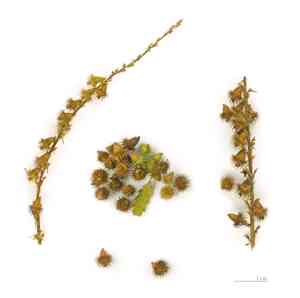
A member of the Rosaceae family, Agrimonia eupatoria is a perennial plant characterized by its lofty, upright floral stalks. Trimming entails severing the faded flower stems near their base to foster an organized growth pattern and possible subsequent blooms. The ideal period for this maintenance is post-flowering, from late spring through summer. No particular implements are needed, just typical gardening shears. Consistent trimming aids Agrimonia eupatoria by inhibiting self-propagation and stimulating more robust development in the subsequent year.
What Are the Benefits of Pruning Common Agrimony?
What Are the Benefits of Pruning Common Agrimony?
Trimming common agrimony boosts its vitality and maintains its shape. Eliminating old or dense stems improves air flow, lowering disease risk and stimulating strong new growth for a fuller, healthier look.
What Is the Best Time for Pruning Common Agrimony?
What Is the Best Time for Pruning Common Agrimony?
Trimming common agrimony in late spring or early summer coincides with the end of its rapid spring growth, allowing gardeners to shape it and remove dead or diseased parts without hindering early development. This timing also precedes blooming, ensuring the plant can direct energy into producing flowers and seeds. Furthermore, pruning at this time minimizes frost damage to fresh cuts and promotes healthy new growth during the active season. Well-timed pruning in these periods helps maintain common agrimony's health and vigor, while encouraging a more substantial display of its characteristic flowers.
What Tools Do I Need to Prune Common Agrimony?
Bypass Pruners
Perfect for making clean cuts on common agrimony's green, living stems up to 1/2 inch thick. These pruners allow for precise cutting without crushing plant tissues.
Gloves
They shield the gardener's hands from common agrimony's thorns and rough parts, ensuring a safer trimming process.
Pruning Saw
This tool is utilized for larger stems or branches that have grown on common agrimony and exceed the capacity of hand pruners, typically over 1/2 inch in diameter.
Shears
Common agrimony may develop denser, bushier areas where bypass pruners are not effective. Shears are suitable for shaping and thinning these sections of the plant.
Lopper
When common agrimony has thicker branches, up to 2 inches in diameter, loppers offer greater leverage and are appropriate for making clean cuts without harming the plant.
How to Prune Common Agrimony
Sterilize Tools
Before beginning, sanitize pruning shears or scissors with rubbing alcohol or a bleach solution to prevent disease spread to common agrimony.
Remove Diseased Leaves
Carefully check common agrimony for diseased foliage. Using the sterilized shears, cut the leaves off at the stem's base, being careful not to tear or damage healthy tissue.
Remove Withered Leaves
Identify any withered or dead leaves on common agrimony. Gently trim these leaves at the base where they connect to the stem to encourage healthy growth and air circulation.
Cut Diseased Stems
Examine common agrimony for any stems showing signs of illness. Trim these stems back to healthy tissue or to the plant's base if necessary, ensuring a clean cut to promote healing.
Dispose Trimmed Parts
Discard all pruned material away from common agrimony to minimize disease risk. Do not compost diseased plant parts, as pathogens could infect the compost.
Common Pruning Mistakes with Common Agrimony
Overpruning
Avoid removing too much foliage or too many stems at once, as this can stress common agrimony and potentially lead to poor growth or reduced blooming.
Improper Cutting
Do not make cuts too close to the main stem or too far from the bud, as incorrect cutting can hinder healing and promote disease entry.
Pruning During Active Growth
Refrain from trimming when common agrimony is actively growing, as this could disrupt its natural growth cycle and affect plant vigor.
Using Dull Tools
Employing dull pruning tools can damage common agrimony's stems and make clean cuts difficult, potentially introducing disease.
Neglecting Hygiene
Failing to clean tools before and after use can spread disease between plants. Always sterilize pruning equipment when working with common agrimony.
Common Pruning Tips for Common Agrimony
Selective Pruning
Carefully choose which stems to trim, focusing on removing dead, diseased, or damaged stems to encourage common agrimony's healthy growth.
Angled Cuts
Make angled cuts above leaf nodes to promote water runoff and prevent disease, ensuring common agrimony's health and appearance.
Thinning
Thin out overcrowded areas to increase air circulation and light penetration, which is crucial for common agrimony's overall health and bloom production.
Height Reduction
Reduce common agrimony's height if necessary by cutting back the longest stems, but always leave a few leaves on the remaining stem to support continued growth.
Post Flowering Trim
Trim back common agrimony's stems after flowering to maintain its shape and encourage a second flush of blooms or to prevent excessive self-seeding, depending on the desired outcome.



