How to Propagate Common agrimony?
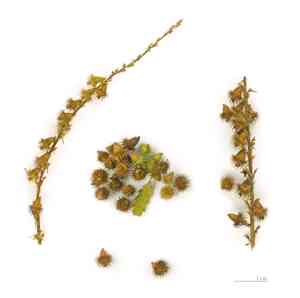
Agrimonia eupatoria is a perennial plant recognized by its diminutive yellow blossoms and characteristic toothed leaf edges. To multiply agrimony, utilize seeds and concentrate on planting them in soil that drains effectively and receives ample sunlight. Verify that the soil remains damp yet not oversaturated to facilitate sprouting. After the young plants have taken root, reduce their number to avert congestion and foster robust development.
When Is the Optimal Time to Propagate Common Agrimony?
Propagation Type
Seeding
Propagation Season
Spring
What Equipment Is Utilized in Common Agrimony Propagation?
Seed trays
Seed trays are perfect for initiating common agrimony seeds, offering ample room for initial development before transplanting. These trays assist in maintaining consistent soil conditions â moisture, temperature, and soil blend â which are crucial for the successful germination of common agrimony.
Quality potting mix
A premium potting mix guarantees that common agrimony seeds have the ideal environment for sprouting. The potting mix should drain well yet retain sufficient moisture to support seedlings as they grow. This balance is vital to prevent root rot while encouraging robust root development.
Misting bottle
A misting bottle is essential for gently watering common agrimony seeds without disturbing them. The fine spray adequately hydrates the seeds and young seedlings, maintaining optimal moisture levels in the soil necessary for germination and early growth stages.
Labels and markers
Employing labels and markers is crucial for identifying common agrimony seedlings, especially if propagating multiple plant varieties simultaneously. Proper identification aids in monitoring growth progress and applying specific care requirements necessary for each plant type.
Heat mat
A heat mat can be used to maintain a consistent soil temperature, which is particularly beneficial for common agrimony during the germination phase. Stable warm temperatures can significantly increase germination rates and encourage uniform seedling growth.
How to Propagate Common Agrimony?
Propagation Type
Simple
How to Care for Your Newly Propagated Common Agrimony?
How to Care for Your Newly Propagated Common Agrimony?
Following propagation, continue to provide common agrimony with well-draining soil and ensure it is situated in an area that receives full sun to partial shade. Water regularly to keep the soil moist, especially during dry periods. Fertilizing is not typically necessary, but a balanced, slow-release fertilizer can be applied annually if growth appears sluggish. Monitor for pests and diseases and manage accordingly to keep the plant healthy.
Common Mistakes to Avoid When Propagating Common Agrimony
Overwatering
Supplying too much water can lead to root rot and fungal infections, which can be detrimental to common agrimony's delicate roots during the propagation process.
Deep planting
Planting common agrimony's seeds too deeply can hinder germination due to insufficient light and air, as they need to be sown on the soil surface or at a minimal depth.
Neglecting hygiene
Using unsterilized tools or containers for propagation can introduce diseases that impede common agrimony's growth or even cause plant death.
Overcrowding
Sowing common agrimony's seeds too closely or planting cuttings without enough space can lead to poor air circulation and competition for nutrients, affecting their overall development.
Ignoring soil composition
Employing the wrong soil mix, lacking in drainage or nutrients, can cause common agrimony's roots to fail to establish, therefore preventing successful propagation.
Tips For Propagating Common Agrimony
Consistent moisture
Maintaining a consistent level of moisture, without waterlogging, is key to ensuring the successful rooting of common agrimony, especially during dry spells.
Surface sowing
Sow the seeds of common agrimony on the soil surface or just below it, as they require light for optimal germination; a light dusting of soil can help maintain moisture while still allowing light to penetrate.
Sterilization
Using sterilized tools and containers for cuttings and seeds greatly reduces the risk of disease transmission and gives common agrimony the best chance of healthy growth.
Adequate spacing
Providing enough space between seeded areas or cuttings of common agrimony enables good air circulation, reduces competition, and allows individual plants to thrive.
Appropriate soil mix
Using a well-draining soil mix enriched with organic matter supports the establishment of common agrimony's root system and provides the necessary nutrients for growth.



