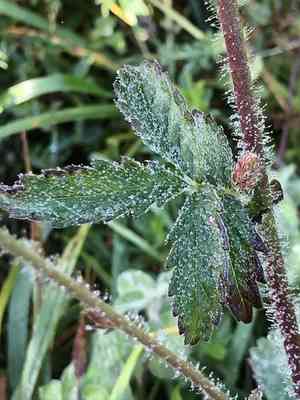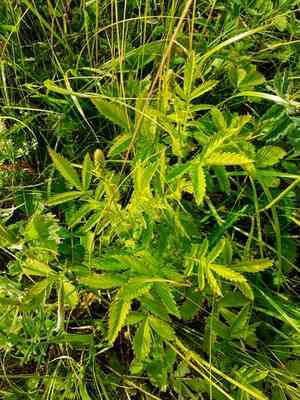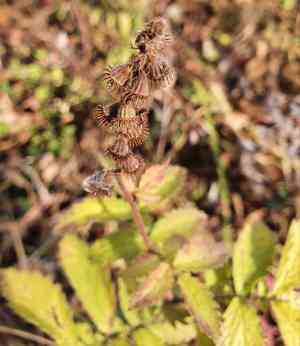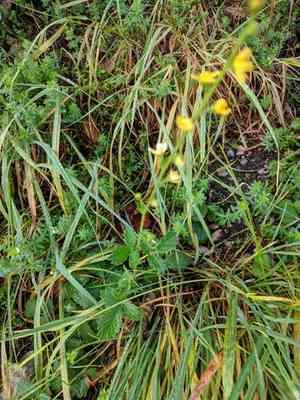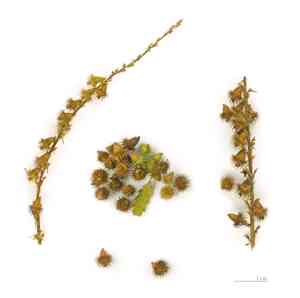
Common agrimony(Agrimonia eupatoria)

Common agrimony (Agrimonia eupatoria)

Also known as: Fragant agrimony, Liverwort

In British folklore, it was believed that placing common agrimony (Agrimonia eupatoria) under a person's pillow would cause them to sleep until the plant was taken away. This dark green, deciduous perennial is covered in soft hairs.

Attributes of Common agrimony

Lifespan
Perennial
Plant Type
Herb
Plant Height
30 cm to 1 m
Spread
90 cm
Leaf Color
Green
Flower Size
2.5 cm
Flower Color
Yellow

ForwardPlant - Identify plants with a snap

Identify and diagnose plants, get toxicity alerts, and explore safety guides for all types of fungi.

Try for Free

Images of Common agrimony

Common agrimony(Agrimonia eupatoria)

Quickly Identify Common agrimony

1
Identify Agrimonia eupatoria by its erect, hairy stems, pinnate leaves with a terminal leaflet, and yellow flowers that bloom in a spike-like inflorescence.

Scientific Classification of Common agrimony

Phylum
Vascular plants
Class
Dicotyledons
Order
Rosales
Family
Rose
Genus
Agrimony
Species
Common agrimony

Planting and Growing of Common agrimony

Care Difficulty
Easy
Watering Schedule
Every 3 days
Sunlight Requirements
Full sun
Sunshine Duration
6-10 hours
Ideal Temperature
60-75℉
Soil Type
Potting Mix, Peat Mix
Soil pH
6.5-7.5
Fertilizer Type
Balanced
Pruning Season
Spring, Summer
Pruning Area
Branches, Leaves
Pruning Frequency
2 times a year
Repotting Season
Spring
Pot Type
Plastic, Ceramic

water icon How to Water Common agrimony?

Water Agrimonia eupatoria with approximately 250 ml each time. Make sure the soil becomes moist but not waterlogged, aiming for a balance where excess water drains freely, promoting healthy growth without overwhelming the roots.
What are the symptoms of an underwatered Common agrimony?
What should I do if my Common agrimony is not getting enough water?
What are the symptoms of an overwatered Common agrimony?
How to save an overwatered Common agrimony?

sunlight icon What Are the Sunlight Requirements for Common agrimony?

Sunlight Requirements: Full sun, Partial sun
Duration of light: 6 to 8 hours
Partial to full sun optimizes its growth. While it can tolerate partial sun, full sunlight enhances agrimonia's vitality, promoting lush, green foliage and effective flowering.
What is the ideal sunlight exposure for Agrimonia eupatoria?
How can I ensure Agrimonia eupatoria receives adequate light?
What are the benefits of ideal lighting for Agrimonia eupatoria?
More About Sunlight Requirements Techniques

temperature icon What Is the Ideal Temperature Range for Common agrimony?

Ideal Temperature: 60 ~ 75℉
For optimal growth, Agrimonia eupatoria thrives best in temperatures ranging from 60°F to 75°F. This range provides a balanced climate that allows the plant to photosynthesize efficiently, ensuring healthy foliage and robust flowering.

soil icon What Soil is Best for Common agrimony?

Soil type: Sandy soil, Loam, Sandy loam
Soil PH: 6.5 ~ 7.5
Agrimonia eupatoria thrives in well-drained soil, which prevents waterlogging around the roots, reducing the risk of root rot and encouraging healthy growth. This plant does well in soil with moderate fertility, providing enough nutrients to promote robust leaf and flower development without the need for excessive fertilization. Despite preferring well-drained conditions, Agrimonia eupatoria benefits from soil that can retain some moisture. This balance ensures the plant has a steady water supply, crucial during dry spells. More About Soil

fertilize icon How to Fertilize Common agrimony?

Fertilizer type: Balanced
For Agrimonia eupatoria, it's crucial to apply an appropriate amount of fertilizer to maintain its health and promote blooming. About 1/4 to 1/2 strength of an all-purpose liquid fertilizer should be used to avoid over-fertilization. Overdoing it can lead to root burn, affecting the plant’s overall growth negatively. More About Fertilizing Techniques

prune icon How to Prune Common agrimony?

Pruning Time: Spring, Summer
Ensure that all your pruning shears and other tools are clean and sharp. This helps in making precise cuts and prevents the spread of disease. Dull tools can crush branches, leading to slower healing and potential infection. Begin by trimming any dead or damaged branches. This initial cutback allows the plant to focus its energy on producing new, healthy growth. Pay attention to branches that look dry and brittle, as removing them can significantly enhance the plant’s vitality. After removing dead branches, you can proceed with shaping the plant. Agrimonia eupatoria tends to grow tall, so maintaining a balanced form helps in keeping it manageable and attractive. Regular pruning prevents the plant from becoming leggy and enhances its ornamental appeal. More About Pruning Techniques

propagate icon How to Propagate Common agrimony plant?

Propagate Time: Spring, Early Summer
1
Sow Agrimonia eupatoria seeds on the surface of the soil in seed trays. Lightly press them for contact with the soil but do not cover because they need light for germination.
2
Select mature plants for division. Use a spade to carefully dig around the plant and lift it from the soil. Divide the plant into sections, ensuring each has roots and shoots.
3
Water the seeds or divisions gently and keep the soil moist but not waterlogged. Place in a location with indirect sunlight and maintain consistent temperature for optimal growth.
More About Propagating Techniques

repot icon How to Repot Common agrimony plant?

Repotting frequency: Every 2-3 years
1
Repot Agrimonia eupatoria when you observe its roots crowding the current pot or poking out of the drainage holes. Another sign is when its growth visibly slows down despite good care, perhaps indicating nutrient depletion. Early spring or autumn is best for repotting, allowing the plant to establish before active growth or dormancy.
2
Opt for a pot that is slightly larger than the current one, ideally 1-2 inches in diameter larger. Ensure it has good drainage holes to prevent waterlogging. This helps in promoting healthy root growth and prevents root rot, keeping your plant healthy and flourishing.
3
Use well-drained, loamy soil rich in organic matter. It should allow air circulation yet retain enough moisture to keep roots hydrated. This type of soil ensures the roots don't remain soggy, reducing the risk of fungal infections and allowing the plant to absorb nutrients efficiently.

ForwardPlant - Identify plants with a snap

Find the best spots for them to optimize their health, simply using your phone.

Try for Free

Toxicity of Common agrimony

Is Common agrimony toxic to humans?

Common agrimony exhibits a mild level of toxicity to humans, primarily resulting from ingestion. The entire plant, encompassing leaves, stems, and roots, contains tannins, which are responsible for its toxic characteristics. When consumed, common agrimony can provoke a variety of symptoms, including gastrointestinal issues such as nausea, vomiting, and diarrhea. Additionally, some individuals may experience headaches or feelings of dizziness. Due to the widespread presence of its toxic components, it is essential to exercise caution to avert accidental ingestion, especially among more vulnerable groups, such as children, who might confuse the plant with a non-toxic variant.

Is Common agrimony toxic to cat?

Common agrimony presents a slight toxicity hazard for cats. Accidental ingestion, the most frequent cause of poisoning, may result in signs of physical distress or sickness in our feline friends. The entire plant, which has tannins, is deemed toxic. It is crucial to observe our pets attentively and, if there is a suspicion of common agrimony ingestion, immediate veterinary help should be sought to safeguard the animal's health and well-being.

Is Common agrimony toxic to dog?

Common agrimony presents a slight toxicity threat to dogs. Pets may accidentally ingest various parts of this plant, which could result in poisoning. The whole plant is deemed toxic and should be stored safely away from animals. If ingested, dogs may show signs such as digestive disturbances or skin rashes. It is crucial to understand that common agrimony contains tannins, the compounds accountable for its toxic characteristics. Should ingestion be suspected, dog owners must promptly consult a veterinarian to safeguard their pet's well-being.

Identify toxic plants for your safety

Learn which plants are harmful to you and your pets, and make informed choices for a safer home!

Try for Free
WARNING
The judgment on toxicity and danger is for reference only. We DO NOT GUARANTEE any accuracy of such judgment. Therefore, you SHALL NOT rely on such judgment. It is IMPORTANT TO SEEK PROFESSIONAL ADVICE in advance when necessary.
More About Toxic Techniques