How to Transplant Century plant?
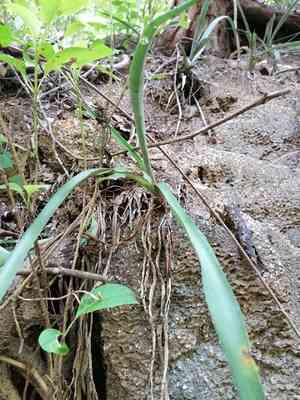
The ideal period for relocating century plant spans from late spring to the close of summer, offering an optimal mix of warmth and developmental prospects. Select bright spots with soil that drains effectively, and contemplate enriching the soil to foster root establishment.
What Preparations are Needed Before Transplanting Century Plant?
What is the Ideal Time for Transplanting Century Plant?
The optimal period to begin relocating century plant spans from the onset of late spring into the warmth of late summer. This timeframe offers prime temperatures for root development. By moving century plant during these months, you enable it to fully benefit from the active growth phase, leading to vigorous development. Remember, more favorable conditions result in a happier century plant in its new spot!
How Much Space Should You Leave Between Century Plant Plants?
Hello there! For your century plant, ensure they have ample room to expand. A separation of approximately 3.3 to 4.9 feet (or 1 to 1.5 meters) should suffice. This will allow each plant to mature beautifully without competing for resources.
What is the Best Soil Mix for Century Plant Transplanting?
Let's prepare a comfortable bed for your century plant! These resilient plants prefer soil that drains well. Incorporate some sand or gravel into your garden soil to enhance drainage. Prior to planting, enrich the soil with a slow-release, low-nitrogen fertilizer to give your century plant an excellent start.
Where Should You Relocate Your Century Plant?
Ready for some sun? Century plant flourishes in bright illumination. Select a location where they will receive full sunlight for the majority of the day. They are sun-lovers, so the more light, the better. Your century plant will adore it there!
What Equipments Should You Prepare Before Transplantation Century Plant?
Gardening Gloves
To safeguard your hands while handling soil and plants.
Shovel or Spade
For excavating and lifting the plant's root mass.
Garden Fork
To loosen the earth surrounding the plant.
Watering Can or Hose
To hydrate the plant before and after the relocation process.
Pruners or Sharp Knife
To trim any damaged roots or foliage.
Wheelbarrow or Tarp
For moving the plant from its original spot to the new location.
Measuring Tape
To assist in spacing out where the century plant will be replanted, considering its mature dimensions.
How Do You Remove Century Plant from the Soil?
How Do You Remove Century Plant from the Soil?
From Ground: Hydrate the century plant to moisten the soil, making it easier to manage. Use a garden fork to loosen the earth around the plant, then dig a wide trench with a shovel, being careful not to harm the root ball. Gently slide the shovel beneath the root ball to lift it from the ground.From Pot: First, water the soil in the container to help the root ball stay intact. Turn the pot on its side and carefully ease the century plant out by tapping the bottom and sides. If the plant resists, use a pruner or knife to cut along the inner edge of the pot.From Seedling Tray: Water the century plant seedlings to keep the soil cohesive. Carefully lift the seedling by its leaves, not the stem, and use a tool like a dibber or a fork to gently remove the plantlet with its soil from the compartment.
Step-by-Step Guide for Transplanting Century Plant
Prepare the New Site
Excavate a hole that is twice as wide and equally as deep as the root ball. Incorporate some compost if the soil is very poor (but remember, century plant prefer not to be heavily fertilized).
Inspect the Roots
Before planting, examine the root ball thoroughly, removing any dead or damaged roots and giving tangled roots more room to spread.
Positioning the Plant
Place the century plant in the center of the hole at the same depth it was originally growing. The base of the plant should be level with the soil surface.
Backfill the Hole
Carefully refill the hole, gently firming the soil around the roots to eliminate air pockets without compacting the ground too much.
Water Thoroughly
Water the century plant generously to settle the soil and hydrate the roots, but avoid over-saturating the area.
Mulch (Optional)
Apply a thin layer of mulch around the base of the plant. This can help retain moisture and suppress weeds, but keep the mulch away from the plant's core to prevent rot.
How Do You Care For Century Plant After Transplanting?
Initial Watering
Water the century plant immediately after transplanting, and keep the soil moist (not saturated) while it establishes.
First Weeks
During the initial few weeks, monitor the century plant for signs of stress and continue to provide sufficient water to prevent the soil from completely drying out.
Long-Term Care
Once established, the century plant will not require much water due to its drought-tolerant nature. Adjust watering accordingly, and observe for new growth as an indication of successful transplant.
Troubleshooting Common Issues with Century Plant Transplantation.
What's the best time to transplant century plant?
Optimal transplanting time is from late spring through late summer, encouraging robust root growth.
How much space does century plant need between plants?
Ensure a distance of roughly 3 to 5 feet (1 to 1.5 meters) between century plants for proper growth.
How deep should I plant century plant's roots?
The root ball should be planted so that it is level with the soil surface.
How do I know if century plant is ready to be transplanted?
Century plant is ready when it shows new growth or the container is too small for its size.
What soil conditions are best for transplanting century plant?
Use well-draining soil; century plant prefers a sandy or rocky substrate to prevent root rot.
How should I water century plant after transplanting?
After transplanting, water century plant generously to establish roots, then only when the topsoil is dry.
Can I use fertilizer after transplanting century plant?
It isn't necessary to fertilize immediately; wait for century plant to establish before any fertilization.
Should I prune century plant when transplanting?
If century plant is damaged or excessively large, light pruning can be done, but it's not required.
What kind of sunlight does century plant need after transplanting?
Century plant thrives in full sunlight. Choose a sunny location to encourage healthy growth.
How do I protect transplanted century plant from cold temperatures?
Ideally transplant when cold threat passes. If unexpected frost occurs, use frost cloths to protect century plant.



