How to Prune Century plant?
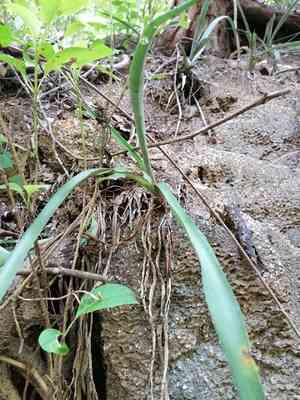
Celebrated for its hardiness and impressive clusters of robust, succulent foliage, century plant is a gradually developing succulent. Trimming should concentrate on eliminating withered or compromised leaves and faded flower spikes to preserve its well-being. The most suitable times are from late winter to early spring, prior to the emergence of new growth. Pruning at this stage reduces the risk of illness and preserves the plant's vitality. Disinfected, keen implements are essential to avert contamination. Advantages encompass revitalizing century plant and refining its structural appearance.
Advantages of Trimming Century Plant
Advantages of Trimming Century Plant
Trimming century plant promotes robust development and helps maintain its form, crucial for vitality and visual appeal. Strategic cuts improve nutrient distribution, fostering a strong structure and preventing excessive growth.
Optimal Period for Pruning Century Plant
Optimal Period for Pruning Century Plant
Pruning century plant in late winter and early spring is ideal, aligning with the end of its dormant phase and prior to new growth. This timing allows century plant to recover swiftly and direct energy into producing fresh, healthy foliage and stems. Late winter pruning prepares century plant for vigorous spring growth. Early spring pruning ensures removal of any freeze-damaged tissues and helps shape the plant without hindering its growth cycle. Pruning during these seasons also avoids the stress caused by pruning during active growth or flowering, supporting century plant's overall health and vigor.
Required Tools for Pruning Century Plant
Heavy-duty gardening gloves
Given century plant's sharp edges and spines, robust gloves offer essential hand protection for the gardener when handling and pruning the plant.
Long-handled loppers
Century plant can have large, tough leaves, and long-handled loppers are perfect for reaching into the plant and making clean cuts on thicker leaves or stems while keeping a safe distance from spines.
Pruning saw
If century plant possesses particularly thick or woody stems, a pruning saw might be necessary. The saw enables precise cutting through tougher material that loppers may not manage.
Hand pruners
For smaller, more precise cuts, hand pruners are useful for shaping century plant or removing dead material. The pruners should be sharp and provide a clean cut to prevent plant damage.
Garden knife or Hori-Hori
A garden knife or Hori-Hori tool can be utilized for detailed work, such as cutting out small pups or offshoots from century plant, and is versatile for other gardening tasks.
How to Prune Century Plant
Prepare Tools
Sanitize sharp pruning shears or a knife to prevent disease transmission when trimming century plant. Wear protective gloves to guard against the plant's sharp edges.
Identify Diseased Leaves
Examine century plant closely to pinpoint diseased leaves. Look for signs such as discoloration, spotting, and decay.
Trim Diseased Leaves
Carefully cut away diseased leaves at their base where they connect to the main stem or soil, avoiding damage to healthy parts of century plant.
Identify Withered Leaves
Search for withered or dried-out leaves, which may be older or damaged by environmental factors.
Trim Withered Leaves
Remove withered leaves by cutting them off at their base, similar to diseased ones, to enhance the overall health and appearance of century plant.
Common Pruning Errors with Century Plant
Excessive Pruning
Trimming too much of century plant at once can severely harm or even kill the plant. It's crucial to remove only necessary parts, such as dead or dying leaves.
Pruning Healthy Leaves
Cutting live leaves of century plant should be avoided unless they are damaged. This plant stores water and nutrients in its leaves, and removing healthy ones can stress the plant.
Incorrect Tool Use
Using dull or dirty pruning tools can injure century plant by creating jagged cuts that are more vulnerable to disease and insect damage.
Neglecting Safety Gear
Not wearing gloves and protective clothing can lead to injuries from century plant's sharp spines and edges, which can be very hazardous.
Improper Pup Disposal
Mistakenly discarding the small 'pups' that grow around the base of century plant, which can be used for propagation, is a waste of potential new plants.
General Pruning Advice for Century Plant
Sharp & Clean Tools
Utilize sharp, clean pruning shears or a saw to make precise cuts on century plant, which will aid in rapid recovery and minimize disease risk.
Remove Only Dead Or Damaged
Prune only the dead or damaged parts of century plant to avoid unnecessary stress on the plant. This will also help maintain the plant's visual appeal and structural balance.
Safety First
Always wear thick gloves and long sleeves when pruning century plant to protect against its sharp edges and spines. Eye protection is also recommended.
Pup Propagation
Carefully remove the 'pups' from the base of century plant for propagation. Ensure the correct technique is used to avoid damaging the mother plant or the pups.
Clean Cuts
Ensure cuts are made cleanly and close to the trunk without leaving stubs. This helps century plant heal faster and prevents infections or pest infestations at the pruning site.



