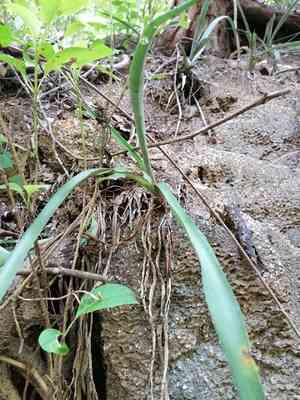
Century plant (Agave vivipara)
Also known as: False Aloe, Saw-leaf Agave
Century plant is characterized by its rosette of thick, fleshy leaves with pointed tips, which help retain water in its arid native habitat. These leaves also feature a distinct pattern of teeth along the margins. Century plant's survival strategy includes producing offsets and viviparous bulbils on its flower stalk, which upon maturing, drop to the ground to root and grow into new plants. This adaptability makes it a hardy species in challenging environments.
In This Article
Attributes of Century plant
Lifespan
Perennial
Plant Type
Succulent
Plant Height
1.5 to 2 meters (approximately 5 to 6.5 feet)
Spread
1.2 to 1.8 meters (approximately 4 to 6 feet)
Leaf Color
Green to gray-green with spiny margins
Flower Size
Approximately 5 to 8 centimeters (2 to 3 inches)
Flower Color
Yellow
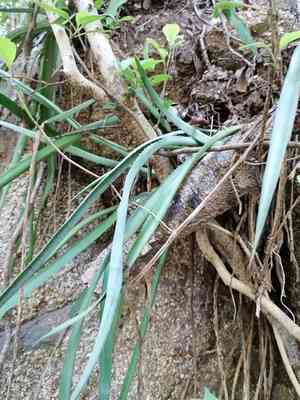
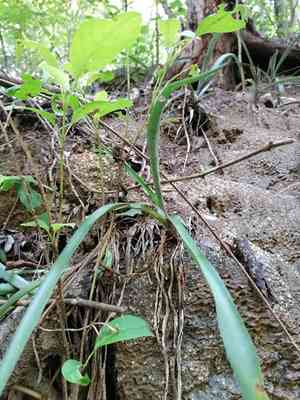
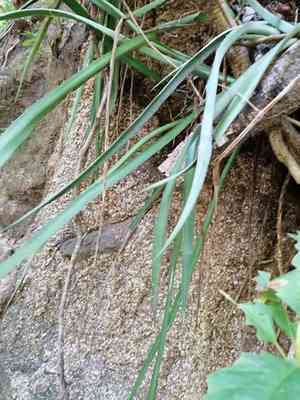
Images of Century plant
Quickly Identify Century plant
1
Look for rosettes of fleshy, sword-shaped leaves with spiny edges and tips. The plant may also produce 'pups' or offsets around its base, and in some cases, it will have a tall flower spike with yellow flowers.
Scientific Classification of Century plant
Phylum
Vascular plants
Class
Monocotyledons
Order
Asparagales
Family
Asparagus
Genus
Agaves
Species
Century plant
Planting and Growing of Century plant
Care Difficulty
Easy
Watering Schedule
Every 2 days
Sunlight Requirements
Full sun
Sunshine Duration
6-10 hours
Ideal Temperature
70-80℉
Soil Type
Potting Mix, Peat Mix
Soil pH
6.5-7.5
Fertilizer Type
Balanced
Pruning Season
Spring, Summer
Pruning Area
Branches, Leaves
Pruning Frequency
2 times a year
Repotting Season
Spring
Pot Type
Plastic, Ceramic
 How to Water Century plant?
For Agave vivipara, the ideal watering amount is roughly 200 milliliters per session. The soil should be allowed to dry out almost completely between waterings. When watering, ensure that the water penetrates deep enough to reach the root zone but does not cause pooling at the base.
What are the symptoms of an underwatered Century plant?
›
What should I do if my Century plant is not getting enough water?
›
What are the symptoms of an overwatered Century plant?
›
How to save an overwatered Century plant?
›
 What Are the Sunlight Requirements for Century plant?
Full to partial sun is ideal for Agave vivipara, ensuring robust growth and enhanced pigment. This range provides balanced exposure, reducing stress and maximizing photosynthesis.
What is the ideal lighting for Agave vivipara?
›
How to achieve the ideal lighting condition?
›
What are the benefits of ideal lighting for Agave vivipara?
›
 What Is the Ideal Temperature Range for Century plant?
Agave vivipara thrives best in temperatures ranging from 70 to 80 degrees Fahrenheit. This range is ideal for its metabolic processes, ensuring robust growth and vibrant coloration. Maintaining temperatures within this range helps to mimic its native climate, promoting healthy cell function and nutrient uptake.
 What Soil is Best for Century plant?
Agave vivipara thrives best in well-draining soil, which helps prevent root rot by allowing excess water to escape. The ability of the soil to drain effectively ensures that the plant's roots receive plenty of oxygen, promoting healthier growth. While agaves are not heavy feeders, they do appreciate a moderate level of nutrients in the soil. The presence of essential nutrients supports vigorous growth and helps the plant maintain its striking architectural form. Agave vivipara prefers to be grown in dry soil conditions, which mimics its natural desert habitat. Ensuring the soil remains dry between waterings prevents moisture-related issues and promotes a robust, resilient plant.
 How to Fertilize Century plant?
Agave vivipara benefits from balanced fertilizer applications. For liquid fertilizers, a moderate amount is ideal. Generally, 1/4 to 1/2 strength of a balanced houseplant fertilizer once a month works well. For solid fertilizers, use a slow-release type sparingly, about 30 grams per application.
 How to Prune Century plant?
To prune your Agave vivipara, start by putting on thick gloves to protect your hands from the sharp tips and spines. Use a clean pair of garden shears or a sharp knife. Cut away dead or wilted leaves at the base of the plant to improve its appearance and prevent disease. Always make clean cuts to avoid jagged edges which can lead to pests or infections. Be mindful of the plant’s shape to maintain its rosette form. Regular pruning will encourage healthy growth and ensure your agave remains vibrant.
More About Pruning Techniques→
 How to Propagate Century plant plant?
1
Gently remove the pups that grow at the base of the Agave vivipara, ensuring to get as much root as possible. Allow cut pups to dry for a few days to form callus before planting.
2
Select a healthy leaf and cut it at the closest point to the base. Let the cut end dry and callous over for several days to prevent rot before planting it in soil.
3
Scatter seeds on a tray filled with well-draining soil mix, lightly covering them. Water gently and keep the tray in a warm, well-lit area with indirect sunlight for optimal germination.
 How to Repot Century plant plant?
1
Agave vivipara should be repotted when you notice that its roots are protruding from the drainage holes, or when the soil around the roots feels compact and no longer drains well. Another sign that it's time for repotting is stagnated growth, where the plant doesn't seem to be developing at its usual pace.
2
Select a pot that is just slightly larger than the current one—this prevents overwatering and root rot by ensuring quick drying of excess moisture. The pot should also have adequate drainage holes; the material can be terracotta, which aids in wicking moisture away from the roots, or plastic for a lightweight option.
3
Opt for a well-draining cactus mix soil, which typically contains a mix of sand, perlite, and gravel. This potent mixture emulates the natural arid environments of Agave vivipara, ensuring that excess water is quickly drained away, thereby preventing root rot and promoting healthy growth.
Toxicity
Ingestion, Skin contact
WARNING
The judgment on toxicity and danger is for reference only. We DO NOT GUARANTEE any accuracy of such judgment. Therefore, you SHALL NOT rely on such judgment. It is IMPORTANT TO SEEK PROFESSIONAL ADVICE in advance when necessary.



