How to Propagate Century plant?
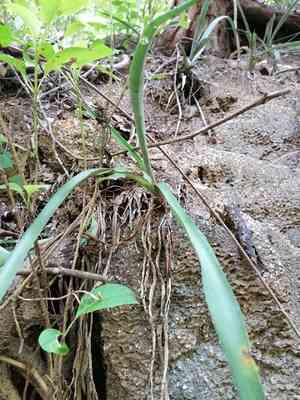
Hailing from the Agavaceae lineage, century plant has evolved an effective method for renewal. To multiply century plant, the essential step involves leveraging its inherent inclination for clonal propagation via separation. Cultivators ought to meticulously detach offshoots, verifying that each segment possesses roots for effective rooting. This technique enables century plant to preserve genetic uniformity while readily adjusting to diverse environments, which can be especially gratifying for new hobbyists keen on broadening their horticultural achievements.
Optimal Time for Century Plant Propagation
Propagation Method
Separation
Propagation Period
Spring,Autumn
Tools for Century Plant Propagation
Sharp Knife or Pruning Shears
These implements are vital for making clean cuts through the roots and base of century plant during division. A sharp knife or pruning shears ensure precise and smooth cuts, minimizing harm to plant tissues. This accuracy is key to reducing infection risk and promoting faster healing and regrowth.
Gardening Gloves
Handling century plant necessitates protection due to its potentially sharp foliage. Gardening gloves shield the propagator's hands from cuts and scrapes during the division process, enhancing safety while managing and separating the plant.
Spade or Garden Fork
These tools are employed for digging around century plant to gently lift it from the soil without causing excessive root damage. A spade or garden fork aids in loosening the soil and extracting the plant with sufficient root mass to support successful re-establishment post-division.
Watering Can or Hose with a Gentle Spray Setting
Following division, century plant requires adequate watering to help lessen transplant shock and to facilitate the establishment of divided sections in new locations. A watering can or hose with a gentle spray setting allows for controlled and even water distribution, ensuring newly planted sections receive sufficient moisture without being overwhelmed.
Rooting Hormone (optional)
While not always essential, rooting hormone can be advantageous for encouraging root growth in century plant. Applying a rooting hormone to cut surfaces can stimulate quicker root development, thereby improving the chances of successful propagation and establishment in new planting sites.
How to Propagate Century Plant?
Propagation Difficulty
Simple
Caring for Your Newly Propagated Century Plant
Caring for Your Newly Propagated Century Plant
Century plant demand minimal upkeep once established. Ensure they are situated in a spot with ample sunlight and are watered sparingly, particularly during the active growth period. Allow the soil to completely dry between waterings to prevent root decay. During colder months, reduce irrigation to a minimum. Apply a balanced, slow-release fertilizer annually at the start of the growing season to support robust growth. Monitor for pests like mealybugs and treat as needed.
Common Errors to Avoid When Propagating Century Plant
Excessive Watering
Overwatering can lead to root rot, a frequent problem where roots decay due to surplus moisture. This condition hinders the healthy growth and survival of century plant, as it relies on a well-drained soil environment to flourish.
Using inappropriate soil mix
Employing a soil mix that retains too much moisture or lacks adequate drainage can be harmful. For century plant, which is adapted to arid conditions, poor drainage can cause water to accumulate around the roots, leading to diseases and poor plant health.
Improper cutting handling
When propagating century plant via offsets, mishandling can harm the offsets, reducing their likelihood of successfully rooting. Incorrect cutting or rough handling can negatively impact delicate growth points.
Neglecting early pest management
Failing to address pests early in the propagation phase can result in severe infestations that weaken or kill young century plant plants. Pests can transmit diseases or physically damage plant tissue, impeding growth.
Tips For Propagating Century Plant
Correct soil composition
Utilize a well-drained, sandy or loamy soil mix to foster healthy root development for century plant. Ensuring good drainage is vital to prevent waterlogging and root diseases.
Gentle handling of offsets
Handle offsets with care during separation and planting. Ensure each offset has a portion of the root system intact to promote better establishment when replanted. Gentle handling preserves the structural integrity of these sensitive parts.
Adequate light exposure
Provide century plant with ample sunlight during the propagation phase to ensure vigorous growth. Century plant thrives in bright light conditions, which mimic its natural arid habitat and promote healthy photosynthesis.
Monitor moisture levels
Water century plant sparingly, allowing the soil to almost dry out between watering intervals. This mimics the natural dry conditions century plant is accustomed to, helping to strengthen the plant and avoid rot.



