How to Transplant Beach false foxglove?
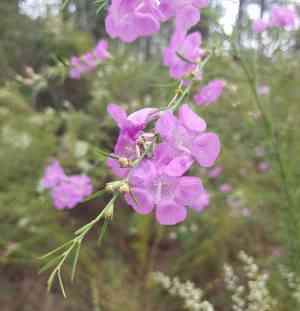
Beach false foxglove flourishes most effectively when relocated in the pleasant period of early to mid-spring. Select bright, adequately drained spots for peak development. Perform transplantation exclusively in frost-free environments, making certain the fragile root system remains undisturbed.
What Preparations are Needed Before Transplanting Beach False Foxglove?
What is the Ideal Time for Transplanting Beach False Foxglove?
Beach false foxglove, an annual, thrives when moved in early to mid-spring. This timing provides ideal growing conditions like extended daylight and warmer soil, aiding strong root development. Transplanting beach false foxglove then utilizes its natural growth cycle, boosting its chances for healthy establishment and vibrant blooms.
How Much Space Should You Leave Between Beach False Foxglove Plants?
When relocating beach false foxglove, aim for a spacing of 12-18 inches (30-45 cm) between each plant. This provides ample room for growth without resource competition, leading to healthier development and a more appealing display.
What is the Best Soil Mix for Beach False Foxglove Transplanting?
Prepare well-draining soil, ideally sandy or loamy, for beach false foxglove transplantation. Incorporate a phosphorus-rich base fertilizer to support root growth. A balanced 10-10-10 fertilizer at half strength is also an option.
Where Should You Relocate Your Beach False Foxglove?
Select a sunny spot for transplanting beach false foxglove. This plant flourishes in full sunlight, so choose an area that receives at least 6 hours of direct sun daily.
What Equipments Should You Prepare Before Transplantation Beach False Foxglove?
Gardening Gloves
To safeguard your hands while handling soil and the plant.
Hand Trowel
For excavating small holes and working around the plant's root system.
Shovel
For digging larger holes if moving from the ground.
Watering Can or Hose
To hydrate the plant before and after its relocation.
Wheelbarrow
Useful for moving the plant if relocating it from a distant spot.
Rooting Hormone (Optional)
Aids in encouraging robust root development.
How Do You Remove Beach False Foxglove from the Soil?
How Do You Remove Beach False Foxglove from the Soil?
From Ground: First, moisten the soil around the beach false foxglove plant. Then, dig a wide trench around the plant with a shovel or spade, ensuring the root ball stays intact. Carefully work the spade beneath the root ball to lift the plant from its original spot.From Pot: Water the beach false foxglove plant thoroughly beforehand. Gently tip the pot sideways and tap the bottom to loosen the root ball. Carefully slide the plant out, making sure to support its root structure.From Seedling Tray: Water the seedlings before removal. Use a hand trowel or your fingers to carefully lift each beach false foxglove from the tray, being cautious not to harm the delicate roots.
Step-by-Step Guide for Transplanting Beach False Foxglove
Site Preparation
Select a garden location that meets the sun, soil, and spacing requirements for beach false foxglove. Prepare the area by removing weeds and loosening the soil.
Digging the Hole
Excavate a hole twice as wide and the same depth as the root ball. This provides ample room for the roots to expand.
Prepare the Plant
If using rooting hormone, now is the time to dip the roots of beach false foxglove in the hormone to stimulate growth.
Setting the Plant
Place beach false foxglove into the prepared hole, ensuring the top of the root ball is level with the surrounding soil. Fill in around the plant with soil, pressing gently to eliminate any air pockets.
Watering
After planting, thoroughly water beach false foxglove to help settle the soil around the roots. Ensure the soil is moist but not waterlogged.
Mulching (Optional)
Apply a layer of mulch around the base of beach false foxglove to help retain moisture and suppress weeds, ensuring the mulch does not touch the stem.
How Do You Care For Beach False Foxglove After Transplanting?
Watering
Keep the soil around beach false foxglove consistently moist, but not soggy, for the initial weeks post-transplant to aid in establishing strong roots.
Monitoring Growth
Regularly check beach false foxglove for signs of transplant shock, such as wilting or yellowing leaves. Provide additional water if necessary.
Support Structures (If Necessary)
If beach false foxglove appears to be leaning or unstable, consider adding a support stake to help it stand upright as it establishes its roots.
Pest Control
Watch for any pests or diseases and address them promptly to ensure the healthy growth of beach false foxglove.
Troubleshooting Common Issues with Beach False Foxglove Transplantation.
When is the best time to transplant beach false foxglove?
Relocate beach false foxglove in early to mid-spring for optimal development.
How far apart should beach false foxglove be spaced?
Space beach false foxglove 12-18 inches (30-45 cm) apart for healthy growth.
How can I avoid transplant shock for beach false foxglove?
Water thoroughly before and after moving. Handle roots gently to reduce stress.
What soil type is best for transplanting beach false foxglove?
Use well-drained, sandy soil enriched with organic matter for optimal results.
How should I prepare the planting site for beach false foxglove?
Loosen the soil to a depth of 12 inches (30 cm) and incorporate compost.
How much water does beach false foxglove need after transplanting?
Maintain consistently moist, but not waterlogged, soil during the first few weeks.
What is the ideal temperature for transplanting beach false foxglove?
Transplant when temperatures are between 60-70°F (16-21°C) for best outcomes.
Can I transplant beach false foxglove in partial shade?
Yes, but full sun is preferred for more vigorous growth and blooming.
Should I use fertilizer when transplanting beach false foxglove?
Mix a balanced slow-release fertilizer into the soil during the planting process.
How do I handle beach false foxglove seedlings during transplantation?
Handle seedlings by their leaves, not stems, to prevent damage to the delicate stem.



