How to Prune Beach false foxglove?
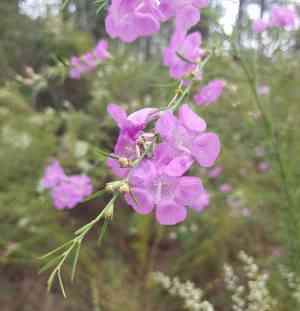
A seaside flora, beach false foxglove is recognized for its vivid pink-purple blossoms and fine leaves. Trim beach false foxglove in the initial part of spring to foster robust development and eliminate any lifeless or compromised stalks. Gentle shaping during summer can stimulate additional flowering, whereas autumn pruning assists in readying the plant for the colder months. Verify that all cuts are precise to deter illness, and refrain from extensive pruning to preserve the plant's inherent structure. Consistent trimming boosts blooming and general plant vitality, guaranteeing an attractive presentation year after year.
What Are the Benefits of Pruning Beach False Foxglove?
What Are the Benefits of Pruning Beach False Foxglove?
Trimming beach false foxglove encourages robust development, maintains its form, and promotes more abundant flowering. Regular cutting helps manage its size, improves its overall look, and boosts resistance to pests and diseases, ensuring the plant flourishes.
What Is the Best Time for Pruning Beach False Foxglove?
What Is the Best Time for Pruning Beach False Foxglove?
Pruning beach false foxglove during spring, summer, and fall is advantageous as these periods align with the plant's active growth phase. Spring pruning stimulates strong new growth and better blooms later in the year, as beach false foxglove is not yet fully mature. Summer pruning, performed right after the initial flowering, aids in managing and redirecting subsequent growth, while also enhancing air circulation and lowering disease risk. Fall pruning helps prepare beach false foxglove for dormancy by removing dead or weakened parts, which supports overall plant health and minimizes potential winter damage. Adhering to these practices during the specified seasons aligns with beach false foxglove's natural growth cycles and optimizes its health and flowering potential.
What Tools Do I Need to Prune Beach False Foxglove?
Bypass Pruners
Perfect for clean cuts on live stems and branches due to their scissor-like action.
Hand Pruners
Suitable for removing dead or damaged stems and trimming unwanted growth near the base.
Pruning Shears
Useful for more precise trimming tasks, ensuring clean cuts that aid in faster plant recovery.
How to Prune Beach False Foxglove
Identify
Examine the plant for any dried-up leaves, making sure you can clearly differentiate them from healthy sections.
Sanitize
Clean your pruning implements with a disinfectant solution to prevent disease transmission between plants.
Remove
Using sterilized pruning shears, carefully snip the dried leaves from beach false foxglove at their base or attachment point.
Dispose
Gather and discard all trimmed dried leaves properly to avoid any potential disease or pest issues.
Inspect
Regularly check the plant to identify and remove any new dried leaves, ensuring continuous health.
Common Pruning Mistakes with Beach False Foxglove
Improper Technique
Using dull tools or making jagged cuts can harm beach false foxglove, leading to poor healing and potential illness.
Over-Pruning
Cutting too much foliage or too many stems can stress beach false foxglove, reducing its vitality and ability to bloom effectively.
Incorrect Timing
Pruning at the wrong time can disrupt beach false foxglove's natural growth and flowering cycles, resulting in fewer blooms.
Common Pruning Tips for Beach False Foxglove
Use Sharp Tools
Ensure all pruning shears, loppers, or scissors are sharp and clean to make precise cuts that heal quickly.
Remove Dead/Diseased Parts
Always begin by removing any dead, damaged, or diseased parts of beach false foxglove to promote healthy growth and prevent disease spread.
Limit to Light Pruning
Opt for light pruning rather than heavy cuts. Cutting more than one-third of the plant's volume can be detrimental.
Focus on New Growth
Beach false foxglove tends to flower on new growth, so selectively prune to encourage the development of new stems.



