How to Propagate Beach false foxglove?
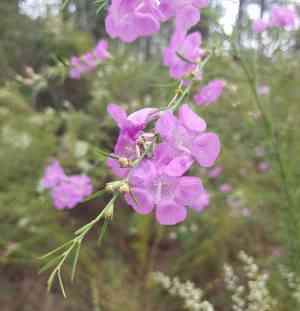
Coastal false foxglove is an herbaceous annual distinguished by its attractive tubular blossoms. It flourishes optimally in sandy, well-draining substrates and favors abundant sunlight. For propagation, plant seeds barely below the soil's surface and maintain their moisture until sprouting occurs. Verify that the vicinity is clear of weeds to lessen rivalry for nourishment and hydration. Replicating its native environmental circumstances is crucial for peak development.
When Is the Optimal Period to Propagate Beach False Foxglove?
Propagation Method
Seeding
Propagation Period
Spring
What Equipment Is Utilized in Beach False Foxglove Propagation?
Seed Tray
A seed tray is vital for initiating the propagation process, offering a controlled setting for seed sprouting. It enables gardeners to effectively manage soil moisture, which is critical for successful beach false foxglove seed germination.
Sterile Potting Mix
Employing a sterile potting mix helps avert soil-borne illnesses that could harm young beach false foxglove seedlings. This blend supplies essential nutrients and a well-draining medium crucial for robust root growth.
Spray Bottle
A spray bottle is useful for maintaining appropriate soil moisture levels without disturbing the delicate beach false foxglove seeds. Gentle misting ensures the soil stays damp but not waterlogged, which can be detrimental to seed germination.
Heated Propagation Mat
A heated propagation mat delivers consistent warmth from below, which can significantly boost the germination rate of beach false foxglove seeds. This tool is especially beneficial in cooler regions where soil temperature might not naturally reach the ideal level for germination.
Humidity Dome
A humidity dome aids in creating a moist microenvironment that assists in seed germination by preventing the soil from drying out too quickly. This is particularly important for beach false foxglove, as consistent moisture is vital for successful propagation.
Seed Dibber
A seed dibber is used to create precise planting holes at the correct depth for sowing beach false foxglove seeds. Ensuring seeds are planted at an appropriate depth helps improve germination rates and seedling health.
Row Markers
Row markers assist in organizing the planting layout, helping gardeners keep track of beach false foxglove seeds and their spacing. This ensures seedlings have ample room to grow without overcrowding, which can lead to poor air circulation and increased disease risk.
Labels
Labels are essential for tracking different seed varieties and planting dates. Clearly labeling each seed tray or pot helps monitor beach false foxglove's progress and provides valuable information for future planting and care.
How to Propagate Beach False Foxglove?
Propagation Difficulty
Simple
How to Care for Your Newly Propagated Beach False Foxglove?
How to Care for Your Newly Propagated Beach False Foxglove?
Once seedlings have developed true leaves, they can be gradually introduced to outdoor conditions. Transplant them to a sunny spot with sandy or well-drained soil. Water regularly, but allow the soil to dry between waterings to prevent root rot. Apply light mulch to retain moisture and control weeds. Monitor for pests and diseases, addressing issues promptly. Regularly check plant growth and provide support if needed to prevent falling over.
Common Errors to Avoid When Propagating Beach False Foxglove
Overwatering
Excessive watering can cause root rot, which will harm or kill the plant. Beach false foxglove prefers well-drained soil.
Improper Soil Type
Using rich garden soil instead of sandy or poor soil can impede growth. Beach false foxglove thrives better in less fertile conditions, similar to its natural habitat.
Insufficient Light
Lack of adequate sunlight can hinder growth and reduce flowering. Beach false foxglove requires full sun for optimal development.
Ignoring Pest Control
Failing to monitor for pests can lead to infestations that damage the plant. Common pests include aphids and caterpillars.
Incorrect Seed Sowing Depth
Planting seeds too deep can prevent germination. Beach false foxglove seeds should be sown just beneath the soil surface.
Advice For Propagating Beach False Foxglove
Water Moderately
Ensure the soil is moist but well-drained. Avoid waterlogging to prevent root diseases.
Choose Sandy Soil
Use soil that mimics its natural habitat, such as sandy or poor soil, to improve propagation success.
Provide Full Sun
Place beach false foxglove in an area that receives full sunlight to ensure healthy growth and flowering.
Regular Pest Monitoring
Regularly check for and manage pests to keep the plant healthy. Early detection is key.
Surface Sow Seeds
Sow seeds just beneath the surface and lightly cover them. This is crucial for successful germination.



