How to Transplant Burnt candytuft?
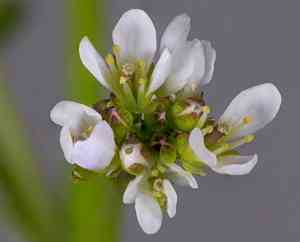
For Iberis sempervirens, the ideal period for relocation extends from the conclusion of winter's cold to the onset of early summer's heat. Select a location bathed in sunlight, featuring soil that drains effectively. Should division be necessary, proceed cautiously to minimize trauma to the root system.
What Preparations are Needed Before Transplanting Burnt Candytuft?
What is the Ideal Time for Transplanting Burnt Candytuft?
The perfect time for moving burnt candytuft is from the refreshing period of early spring through the vibrant peak of late spring. This timing allows burnt candytuft to establish its root system in cool, moist soil, providing ample time to adjust before summer's heat. Relocating burnt candytuft during this phase ensures a smooth transition, giving it every chance to thrive and produce a strong display. Choosing this season aligns with nature's growth cycle, leveraging burnt candytuft's natural readiness to flourish in new surroundings.
How Much Space Should You Leave Between Burnt Candytuft Plants?
Hello, new gardener! When getting ready to transplant burnt candytuft, ensure each plant has plenty of room. Aim for a spacing of about 8-10 inches (20-25 cm) between them. This provides sufficient space for roots to expand and leaves to receive adequate air circulation!
What is the Best Soil Mix for Burnt Candytuft Transplanting?
For burnt candytuft, you'll want to prepare the bed with soil that drains wellâconsider sandy or loamy types. Incorporating a bit of compost as a base fertilizer will give your burnt candytuft a nourishing start. Just enough to welcome it, but not too muchâit's all about equilibrium.
Where Should You Relocate Your Burnt Candytuft?
Find a sunny location for your burnt candytuft. These plants thrive in full sunlight, so a spot that receives at least 6 hours of direct sun daily is perfect. A bright environment will encourage abundant blooms and keep your burnt candytuft vibrant!
What Equipments Should You Prepare Before Transplantation Burnt Candytuft?
Gardening Gloves
To safeguard your hands while handling soil and plants.
Garden Trowel
For digging and creating a planting hole.
Garden Spade or Shovel
For larger transplanting tasks and to excavate around and beneath the plant.
Garden Fork
To help loosen the soil and roots if the plant is being removed from the ground.
Watering Can or Hose
To hydrate the plant before and after relocation.
Secateurs or Pruning Shears
To trim any damaged roots or foliage.
Wheelbarrow or Plant Pot
For transporting the plant if it is large and heavy.
Rooting Hormone (optional)
To stimulate root development following transplantation.
How Do You Remove Burnt Candytuft from the Soil?
How Do You Remove Burnt Candytuft from the Soil?
From Ground: First, thoroughly water the burnt candytuft to moisten the soil. Next, use a garden fork to gently loosen the soil surrounding the plant. Create a wide perimeter around the root ball and use a shovel or spade to carefully lift the plant, preserving as much of the root ball as possible.From Pot: Begin by watering the burnt candytuft to facilitate removal. Tilt the pot sideways and gently tap its sides and bottom to dislodge the plant. Support the plant at its base and carefully guide it out of the pot, taking care not to pull on the stems or leaves.From Seedling Tray: Lightly water the burnt candytuft seedlings. Use a gardening trowel or even a spoon to carefully scoop out each seedling. Gently hold the seedling by its leaves rather than its delicate stem and ease it out, keeping the soil and roots intact.
Step-by-Step Guide for Transplanting Burnt Candytuft
Preparation
Prepare the new planting location by loosening the soil and forming it into a mound. This will ensure good drainage and a stable base for the burnt candytuft.
Root Ball Size
Ensure the new hole is twice as wide and equally deep as the root ball of the burnt candytuft.
Placement
Carefully position the burnt candytuft in the center of the hole so that the top of the root ball is level with the surrounding soil surface.
Fill In
Gently backfill around the root ball with soil, lightly tamping to remove air pockets without overly compacting the soil, which can impede root growth.
Watering In
Water the burnt candytuft thoroughly after planting to settle the soil around the roots and eliminate any remaining air pockets.
Mulching
Apply a layer of mulch around the base of the burnt candytuft to retain moisture and suppress weeds. Keep the mulch a few inches away from the stems to prevent rot.
How Do You Care For Burnt Candytuft After Transplanting?
Initial Watering
Water the burnt candytuft generously immediately after transplanting and then regularly to maintain consistent soil moisture throughout the first growing season, reducing frequency as the plant establishes.
Checking for Pests
Monitor for pest infestations or diseases, and take prompt action if any are observed.
Pruning
Trim any damaged or dead foliage to encourage new growth and help the burnt candytuft focus its energy on root establishment.
Stabilization
If the burnt candytuft is tall or in a windy area, consider staking it to prevent bending or breakage.
Observation
Regularly inspect the burnt candytuft for signs of stress, which could indicate issues with root establishment, and implement corrective measures as needed.
Troubleshooting Common Issues with Burnt Candytuft Transplantation.
Why is my burnt candytuft wilting after transplanting?
Wilting may be due to transplant shock. Ensure gentle handling and adequate watering post-transplant.
When's the optimal time to transplant burnt candytuft?
The ideal period for transplanting is from early to late spring, ensuring successful root development.
How much space does burnt candytuft require between plants?
Aim for a comfortable gap of 8-10 inches (20-25 cm), allowing each burnt candytuft to thrive without hindrance.
What should I do if my burnt candytuft's roots are tangled?
Carefully separate the roots before planting to encourage them to spread in their new location.
How deep should I plant burnt candytuft seedlings?
Plant the seedling at the same soil line as it was previously, promoting stability and growth.
What is the ideal soil for transplanting burnt candytuft?
Well-draining, fertile soil is optimal for burnt candytuft, encouraging a strong start after transplanting.
How much should I water burnt candytuft after transplanting?
Water thoroughly upon transplanting and then moderately as burnt candytuft settles, mimicking its natural requirements.
Can burnt candytuft tolerate transplanting in full sun?
Yes! Burnt candytuft loves sunlight. Just ensure sufficient hydration and initially avoid intense midday sun.
Why are my burnt candytuft's leaves yellowing after transplanting?
Yellow leaves might indicate stress. Check for overwatering, poor drainage, or a need for nutrient supplementation.
How soon can I transplant burnt candytuft again if needed?
Allow burnt candytuft a full season to establish and recover before considering another relocation.



