How to Prune Burnt candytuft?
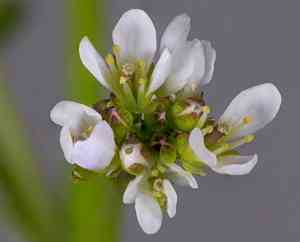
A member of the Brassicaceae family, burnt candytuft is a perennial plant recognized for its dense habit and groupings of pink blossoms. Proper timing is essential; perform a light trim following blooming to preserve its form and stimulate thicker leaves. Removing spent flowers can prompt a subsequent flowering period. During late autumn, sparingly cut back to eliminate any lifeless or ailing stalks, ensuring a neat look. Consistent trimming enhances burnt candytuft's general well-being, fostering robust development and plentiful blooms in the subsequent year.
Advantages of Trimming Burnt Candytuft
Advantages of Trimming Burnt Candytuft
Trimming burnt candytuft promotes more robust development by eliminating faded blooms and elongated stems. It aids in preserving an appealing form and dense foliage, crucial for this compact, cushion-forming perennial.
Optimal Period for Trimming Burnt Candytuft
Optimal Period for Trimming Burnt Candytuft
Pruning in early spring coincides with burnt candytuft's awakening from dormancy, enabling the gardener to remove dead or damaged parts before new leaves emerge. This timing fosters a healthier start to the growing season. Trimming in late summer, once flowering has finished, is ideal for shaping the plant and removing spent blossoms, encouraging better growth in the subsequent season without disrupting the current bloom cycle.
Necessary Tools for Trimming Burnt Candytuft
Bypass Pruners
Perfect for making clean, accurate cuts on burnt candytuft without crushing its delicate stems. The sharp, curved blades of bypass pruners are excellent for snipping off dead or overgrown branches.
Pruning Snips
Burnt candytuft may require the removal of small or confined growths. Pruning snips feature fine tips that allow for precise trimming in tight spots, ensuring healthy plant parts are not accidentally cut.
Gardening Gloves
Though not a cutting tool, gloves safeguard hands during the pruning process and provide a better grip on tools, enhancing precision when trimming burnt candytuft.
Small Hand Saw
For thicker, woodier stems that bypass pruners cannot manage, a small hand saw can make clean cuts without harming the remaining parts of burnt candytuft.
How to Trim Burnt Candytuft
Identify
Examine burnt candytuft for any indications of diseased leaves, withered foliage, dead branches, or infected branches that require trimming.
Sterilize
Before trimming burnt candytuft, sanitize pruning tools with a bleach solution or rubbing alcohol to prevent disease transmission.
Prune diseased leaves
Carefully remove any diseased leaves from burnt candytuft by making clean cuts at the base of each leaf, avoiding damage to healthy sections.
Prune withered leaves
Trim withered leaves from burnt candytuft in the same manner, ensuring complete removal to promote healthy growth and air circulation.
Remove dead diseased branches
Cut back any dead or diseased branches from burnt candytuft to the nearest healthy wood, ideally just above a leaf node or bud to encourage new development.
Common Trimming Errors with Burnt Candytuft
Excessive cutting
Trimming too much can shock burnt candytuft, disrupting its natural growth pattern and vitality. Moderate pruning encourages sturdy growth, while excessive reduction can lead to sparse blooming.
Incorrect cut type
Making jagged or tearing cuts can cause undue stress and create entry points for pests or diseases. Using sharp, sanitized clippers to make clean cuts is crucial.
Neglecting dead flowers
Failing to deadhead or remove spent flowers can impede new blooms and the overall vigor of burnt candytuft. Timely removal of old blooms promotes continuous flowering.
Uneven pruning
Trimming burnt candytuft unevenly can result in an asymmetrical shape, affecting not only its aesthetic appeal but also potentially its health and flowering capacity.
Disregarding plant structure
Ignoring the natural form of burnt candytuft can lead to an unnatural appearance and stunted blooms. Understanding its growth habit is vital for shaping the plant harmoniously.
General Trimming Advice for Burnt Candytuft
Tool preparation
Ensure pruning shears are sharp and disinfected to prevent disease spread and to make precise cuts, which are essential for the health and appearance of burnt candytuft.
Growth assessment
Before cutting, closely examine burnt candytuft to identify the best areas for trimming, considering factors that promote strong growth and flowering, such as airflow and light penetration.
Deadheading
Regularly remove faded or dead flowers on burnt candytuft to encourage the growth of new blooms and reduce energy spent on seed production.
Selective pruning
Cut back burnt candytuft selectively, aiming to thin out crowded areas and maintain an open, attractive shape. This promotes air circulation and vigorous growth.
Post-pruning care
After trimming burnt candytuft, provide adequate water and possibly a light fertilization to support recovery and new growth, adjusting care to the specific needs of the plant.



