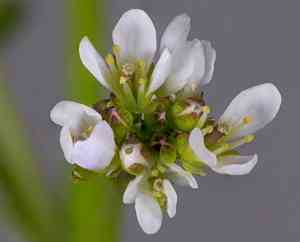
Burnt candytuft (Aethionema saxatile)
Also known as: Stone cress
Aethionema saxatile, commonly known as the "burnt candytuft," is typically found in rocky habitats within mountains and hills. This flowering plant is notably present in the European Alps and thrives in such rugged terrains.
In This Article
Attributes of Burnt candytuft
Lifespan
Perennial
Plant Type
Herb
Plant Height
5 cm
Spread
5 cm to 15 cm
Leaf Color
Green
Flower Size
2.5 cm
Flower Color
Pink White
Images of Burnt candytuft
Quickly Identify Burnt candytuft
1
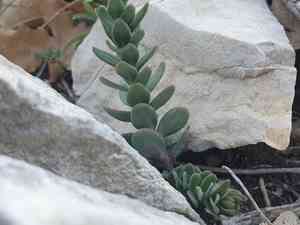
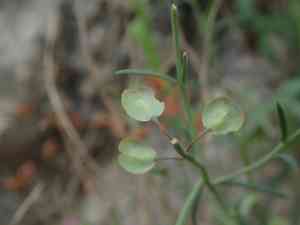
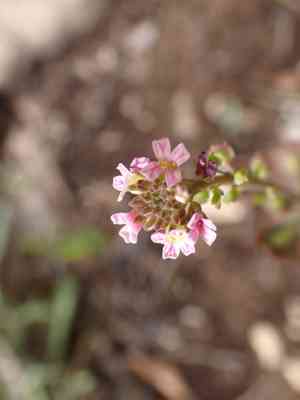
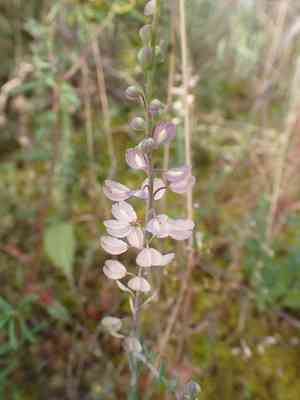
Aethionema saxatile can be identified by its small, grayish-green leaves and clusters of tiny, pinkish to white flowers that bloom in late spring to early summer.
Scientific Classification of Burnt candytuft
Phylum
Vascular plants
Class
Dicotyledons
Order
Brassicales
Family
Cruciferae
Genus
Stonecresses
Species
Burnt candytuft
Planting and Growing of Burnt candytuft
Care Difficulty
Easy
Watering Schedule
Every 2 days
Sunlight Requirements
Full sun
Sunshine Duration
4-8 hours
Ideal Temperature
60-75℉
Soil Type
Potting Mix, Peat Mix
Soil pH
6.5-7.5
Fertilizer Type
Balanced
Pruning Season
Spring, Summer
Pruning Area
Branches, Leaves
Pruning Frequency
2 times a year
Repotting Season
Spring
Pot Type
Plastic, Ceramic
 How to Water Burnt candytuft?
Aethionema saxatile thrives when it's watered moderately. The key is to let the soil dry out between waterings, so each time, give it about 200 ml. This will ensure that it's properly hydrated without sitting in water, which could harm the roots.
What are the symptoms of an underwatered Burnt candytuft?
›
What should I do if my Burnt candytuft is not getting enough water?
›
What are the symptoms of an overwatered Burnt candytuft?
›
How to save an overwatered Burnt candytuft?
›
 What Are the Sunlight Requirements for Burnt candytuft?
Aethionema saxatile ideally thrives in full sun. This condition provides the plant with vital energy for robust growth and abundant flowering, promoting a healthy lifecycle and preventing disease.
More About Sunlight Requirements Techniques→
What is the optimal sunlight for Aethionema saxatile?
›
How can you ensure Aethionema saxatile gets enough light?
›
What are the benefits of ideal lighting for Aethionema saxatile?
›
 What Is the Ideal Temperature Range for Burnt candytuft?
The ideal temperature range for Aethionema saxatile is between 60°F and 75°F. This range helps facilitate optimal growth and physiological processes, providing a conducive environment for photosynthesis and respiration.
 What Soil is Best for Burnt candytuft?
Aethionema saxatile thrives in well-draining soil to prevent root rot. This plant benefits from such conditions by allowing air circulation around the roots and prevents waterlogging. This plant requires nutrient-rich soil to support its growth and flowering. High nutrient availability enhances plant health, leading to robust blooms and foliage. Aethionema saxatile prefers soil that retains moderate moisture. Such soil provides consistent hydration to the roots, which is crucial for sustaining plant growth during dry periods.
 How to Fertilize Burnt candytuft?
When fertilizing Aethionema saxatile, use a modest amount to avoid nutrient burn due to its small, delicate root system. Apply liquid fertilizer at a concentration half of what's recommended for most houseplants.
 How to Prune Burnt candytuft?
Before starting, look for dead or diseased branches. These should be the first to remove as they can drain energy and spread disease to healthy parts of the plant. Next, focus on maintaining the plant’s natural shape. Trim back long, unruly stems by a third. This encourages branching and a more compact form, vital for ground coverage. Pinching back the tips of young, tender shoots throughout the growing season can stimulate bushier growth and more prolific flowering.
More About Pruning Techniques→
 How to Propagate Burnt candytuft plant?
1
Begin by filling seed trays with a mix of potting soil and sand for optimal drainage. Water the soil lightly before sowing the seeds, ensuring it's moist but not soggy, to offer the ideal conditions for germination.
2
Select healthy, non-flowering stems from a mature Aethionema saxatile plant. Cut a 4-5 inch section just below a node using pruning shears. Remove the bottom leaves to reduce the risk of rot.
3
Once seedlings have developed a couple of true leaves, they are ready to be transplanted. Prepare individual pots with potting soil and gently transfer the seedlings into them, handling the roots with care.
 How to Repot Burnt candytuft plant?
1
Aethionema saxatile should be repotted when you notice that its roots are starting to outgrow the pot, when the plant's growth becomes stunted, or when water is not draining adequately. These are clear signals that the plant needs more space to thrive.
2
Select a pot slightly larger than the current one, with adequate drainage holes. This allows excess water to escape, preventing root rot and encouraging healthier growth. Porous materials like terracotta are preferred as they improve air circulation.
3
Choose a well-draining soil mix rich in sand or grit. This soil structure mimics the plant's natural rocky habitat and prevents waterlogging, ensuring that the roots receive adequate oxygen and reduce the risk of diseases.



