How to Propagate Burnt candytuft?
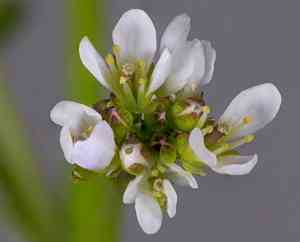
Burnt candytuft flourishes when reproduced through stem sections. To achieve optimal outcomes, select robust, non-blooming stalks to foster strength in the nascent flora. Employing a keen, sterilized cutting implement, gather cuttings during the morning hours when the plant's hydration is at its peak. These sections should measure approximately 3-4 inches in length and be embedded in a free-draining propagation substrate. Ensure sufficient illumination, yet shield from harsh, direct solar exposure to avert scorching, while preserving steady dampness.
Optimal Time for Burnt Candytuft Propagation
Propagation Method
Cutting
Propagation Period
Spring,Summer
Tools for Burnt Candytuft Propagation
Sharp Pruning Shears
These are crucial for taking clean, precise cuttings from burnt candytuft. Sharp blades ensure smooth cuts, which are vital for preventing disease and promoting quicker healing and rooting of the cuttings.
Rooting Hormone Powder
This increases the likelihood of successful root development in burnt candytuft cuttings. Applying rooting hormone to the cut end helps stimulate root growth, boosting the chances of the cutting establishing itself when planted.
Sterile Potting Mix
A well-draining, sterile potting mix offers an ideal environment for rooting burnt candytuft cuttings. Sterility is important to avoid introducing pathogens that could harm the cuttings before they can root.
Propagation Trays
These trays are used to hold the potting mix and burnt candytuft cuttings in a stable environment. They simplify managing multiple cuttings and help maintain consistent moisture levels needed for root formation.
Clear Plastic Dome or Cover
Placing a clear plastic cover over propagation trays creates a humidity-controlled environment, which benefits burnt candytuft cuttings by keeping them moist and encouraging root growth without frequent watering that could wash away rooting hormone.
How to Propagate Burnt Candytuft?
Propagation Type
Easy
Caring for Your Newly Propagated Burnt Candytuft
Caring for Your Newly Propagated Burnt Candytuft
Burnt candytuft requires minimal upkeep once established. It thrives in well-drained soils and full sun to partial shade. After propagation, gradually acclimate the new plant to its permanent outdoor spot. Regularly check soil moisture and water when the top inch of soil feels dry. Little fertilization is needed; a light application of balanced fertilizer in early spring is sufficient. Burnt candytuft is drought tolerant but benefits from occasional watering during extended dry periods.
Common Mistakes to Avoid When Propagating Burnt Candytuft
Overwatering
Excessive watering can lead to root rot, compromising the health of burnt candytuft's root system. Too much moisture hinders proper root growth, reducing the plant's ability to absorb nutrients and destabilizing its foundation.
Deep planting
Planting burnt candytuft seeds too deeply can impede their germination. Burnt candytuft needs light for optimal germination, and seeds planted too deep may not receive enough light, decreasing propagation success.
Neglecting soil drainage
Using a poorly draining soil mix can retain too much moisture around burnt candytuft's roots. This condition can potentially lead to fungal infections and root rot, negatively affecting the plant's overall health and growth.
Tips For Propagating Burnt Candytuft
Use well-draining soil
Utilizing a well-draining soil mix helps prevent waterlogging and the associated risk of root diseases. This type of soil ensures burnt candytuft has the ideal environment for root development and sustenance.
Surface sowing
Sow burnt candytuft seeds on the soil surface, rather than burying them. This exposure promotes better germination rates by ensuring the seeds receive sufficient light.
Consistent moisture
Maintaining consistent soil moisture (not wet) is vital when propagating burnt candytuft. This balances the soil environment, supporting seed germination and helping young plants establish without the risk of overwatering.



