How to Transplant Red baneberry?
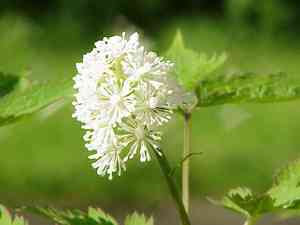
Choose to move red baneberry when the weather is mild, from mid to late spring, to support its vigorous development. Pick spots with partial shade and soil that is damp yet drains effectively. Careful handling during the move helps red baneberry establish its root system smoothly.
What Preparations are Needed Before Transplanting Red Baneberry?
What is the Ideal Time for Transplanting Red Baneberry?
The best time to move red baneberry is in the middle of spring. This period, from mid to late spring, offers mild weather, which helps roots establish before summer's heat. Moving red baneberry then aligns with its natural growth cycle, boosting survival and future blooms. A helpful tip: spring's gentle temperatures and consistent moisture create ideal conditions for red baneberry's successful move, ensuring a strong start for this lovely perennial.
How Much Space Should You Leave Between Red Baneberry Plants?
When relocating red baneberry, ensure a gap of approximately 2-3 feet (60-90 cm) between each specimen. This provides ample room for healthy development without overcrowding.
What is the Best Soil Mix for Red Baneberry Transplanting?
Our red baneberry thrives in well-drained, fertile soil. Begin by enriching the soil with a basic organic fertilizer. This will improve soil quality, and our red baneberrys will flourish.
Where Should You Relocate Your Red Baneberry?
Now, let's choose the spot. Red baneberry prefers partial shade to full sun. So, aim for a location where the plant gets sunlight but not direct sun all day.
What Equipments Should You Prepare Before Transplantation Red Baneberry?
Gardening Gloves
To safeguard your hands when excavating the red baneberry plant or handling soil and roots.
Shovel or Spade
Crucial for extracting the plant from its original spot or creating a hole in the new area. Ensure your tool is sharp enough to cut through dense roots, if needed.
Gardening Trowel
Useful for loosening soil in containers or carefully lifting smaller plants without harming their roots.
Watering Can/Hose
To hydrate the plant both before and after its relocation.
Gardening Fork
Helpful for aerating the soil at the new site, promoting better root establishment.
Comfortable Kneepad
Can offer comfort while kneeling, especially during the extended transplanting process.
Garden Cart or Wheelbarrow
To move the plant, soil, and other supplies from one place to another.
Mulch
To maintain moisture and temperature around the newly transplanted red baneberry plant.
How Do You Remove Red Baneberry from the Soil?
How Do You Remove Red Baneberry from the Soil?
From Ground: First, thoroughly water the red baneberry plant to moisten the soil for easier digging and less root stress. Start digging a wide circle around the plant with a spade or shovel, ensuring the circle is broad and deep enough to keep most of the root system intact. Gradually work the tool under the root ball, and carefully lift the plant from the ground.From Pot: Begin by watering the plant and allowing it to absorb the moisture. Invert the pot while securing your hand at the plant's base. Tap the pot's rim, encouraging the plant and its root mass to slide out. If the plant resists, try squeezing the pot's sides to loosen the soil.From Seedling Tray: Water the seedlings first. Use a trowel or a small spoon to scoop beneath the seedling's roots without abruptly disturbing them. Lift the seedling by the root ball, not the stem, to prevent injury.
Step-by-Step Guide for Transplanting Red Baneberry
Preparation
Water the red baneberry thoroughly a few hours prior to the transplanting process. Prepare the new planting site by digging a hole twice as wide and as deep as the plant's root ball using your shovel or spade. Use the gardening fork to aerate the soil around the hole.
Transplantation
Position your red baneberry plant in the center of the hole, ensuring the plant's crown is level with the ground. Backfill the hole, using your hands to firm the soil around the plant and eliminate any air pockets.
Watering
Once the plant is in place, water it thoroughly with a gentle stream from your hose or watering can. This helps the soil settle around the roots and aids in recovery from transplant stress.
Mulching
Apply a layer of mulch around the plant, leaving a mulch-free zone near the stem to prevent rot. Mulching will help retain moisture, suppress weeds, and maintain a stable soil temperature.
How Do You Care For Red Baneberry After Transplanting?
Watering
Initially, water the red baneberry plant deeply and consistently after transplant, but be careful not to overwater. Excessive moisture can lead to root rot.
Weeding
Regularly check for and remove any weeds that emerge near your red baneberry plant as they can compete with your plant for essential resources.
Inspecting
Monitor your red baneberry plant for signs of transplant shock, such as wilting, yellowed leaves, or slowed growth. If observed, ensure proper watering and consider applying a root stimulator or balanced plant food according to product directions.
Pruning
If the red baneberry plant is large or stressed, consider lightly trimming the top growth. Pruning can reduce the demand on the roots for water and nutrients and encourage more compact, sturdy development.
Troubleshooting Common Issues with Red Baneberry Transplantation.
What's the ideal time to transplant red baneberry?
It's best to transplant red baneberry between late spring and early fall. This ensures the plant has enough time to establish before winter.
How much space does red baneberry need when transplanting?
Red baneberry requires adequate space to spread its roots and grow fully. Aim for a spacing of around 2-3 feet (60-90 cm) apart.
Do I need to water red baneberry immediately after transplanting?
Yes, gently water red baneberry right after transplanting. It helps to settle the soil and provides the plant initial moisture for adaptation.
Does red baneberry need any specific soil condition for successful transplanting?
Red baneberry is adaptable but prefers fertile, well-drained soil. Add some compost to enhance the soil health during transplanting.
How deep should I plant red baneberry when transplanting?
Plant red baneberry as deep as it was in the original pot. Planting depth plays a crucial role in root formation and nutrient absorption.
Is there a preferred method of transplanting red baneberry?
Transplanting red baneberry using a 'hole planting' method works well. Always make sure the hole is twice the width and height of the root ball.
How do I handle red baneberry during transplanting to minimize root damage?
Handle red baneberry with care, ensuring you do not disturb the root system excessively. A root-pruning tool can be helpful for gentle handling.
Should I prune red baneberry before or after transplant?
Pruning red baneberry after transplanting can help the plant focus its energy on root development. Remove only dead and damaged branches to maintain its shape.
How do I ensure successful acclimatization of red baneberry after transplanting?
Provide red baneberry with carefully balanced feeding, watering, and partial sun exposure. The plant will gradually adjust to the new conditions.
What's the temperature requirement for successful red baneberry transplanting?
Red baneberry is tolerant to a wide range of temperatures. However, avoid transplanting during extreme temperatures as it can stress the plant.



