How to Propagate Red baneberry?
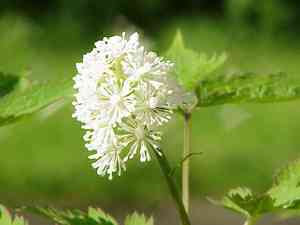
Actaea rubra generally reproduces through seed planting in the optimal period of spring. This species presents a medium level of propagation challenge. Primary signs of successful propagation involve the appearance of young plants and fresh development. Sufficient hydration and soil that drains effectively are crucial for successful propagation.
When Is the Optimal Time to Propagate Red Baneberry?
Propagation Method
Sowing
Propagation Period
Spring
What Equipment Is Utilized in Red Baneberry Propagation?
Seed Trays or Flats
These shallow containers are employed for initiating seeds indoors. They offer a regulated environment, crucial for the germination of red baneberry seeds, enabling easy monitoring of moisture and temperature, vital for successful sprouting.
Fine-textured Seed Starting Mix
This specialized soilless medium provides the perfect texture and nutrient balance for delicate seedling roots. It ensures good aeration and drainage, essential for red baneberry's germination and initial growth stages.
Misting Bottle or Spray Nozzle
A misting bottle allows for gentle irrigation without disturbing seeds or seedlings. Consistent moisture is vital for seed germination, and a fine mist helps maintain proper humidity around red baneberry without compacting soil or washing away seeds.
Heat Mat
A heat mat assists in maintaining a consistent soil temperature, which can be advantageous for red baneberry seed germination. Certain plant species necessitate warm soil for optimal sprouting, and a heat mat ensures the soil stays within the ideal temperature range.
Grow Lights
If propagating red baneberry seeds indoors with insufficient natural light, grow lights can supply the necessary light spectrum to support healthy growth and development of the plantlets during their early stages.
Dibber or Seed Sowing Tool
This instrument is used to create uniform holes or depressions in the seed starting mix for seed placement. This ensures red baneberry seeds are sown at the correct depth, important for optimal germination rates.
Plastic Dome or Cover
Placing a clear plastic dome or cover over seed trays helps maintain high humidity and temperature, both encouraging successful red baneberry germination. It also prevents the seed starting mix from drying out between waterings.
How to Propagate Red Baneberry?
Propagation Method
Sowing
Difficulty Level
Easy
How to Care for Your Newly Propagated Red Baneberry?
How to Care for Your Newly Propagated Red Baneberry?
After transplanting, position red baneberry in a partially to fully shaded spot with well-draining, moisture-retentive soil. Water regularly, especially during dry spells, to keep the soil consistently moist. Mulch around the base of red baneberry to conserve moisture and suppress weeds. Fertilization is generally not needed, but a spring top-dressing of compost can encourage healthy growth. Monitor for pests and diseases, implementing control methods if necessary. Red baneberry is a perennial, so expect it to die back in winter and re-emerge the following spring.
Common Mistakes to Avoid When Propagating Red Baneberry
Ignoring soil composition
Using an unsuitable soil mix for red baneberry can lead to poor root development and drainage issues. Red baneberry prefers well-draining, loamy soil rich in organic matter.
Overwatering
Consistent overwatering during propagation can cause root rot in red baneberry. The seeds and young plants are particularly vulnerable to excessive moisture.
Planting seeds too deep
Red baneberry seeds should not be buried excessively deep, as this can impede or prevent germination. Light is necessary for red baneberry seeds to germinate effectively.
Neglecting cleanliness
Failing to use clean pots and tools can introduce pathogens, leading to disease in red baneberry seedlings and cuttings.
Overcrowding
Planting red baneberry seeds or placing cuttings too close together can hinder proper growth and air circulation, increasing the risk of fungal diseases.
Tips For Propagating Red Baneberry
Stratification
Red baneberry seeds require a period of cold stratification to break dormancy. Simulating winter conditions for several weeks can help improve germination rates.
Gentle handling
When transplanting red baneberry seedlings or cuttings, handle them carefully to avoid disturbing delicate roots, which can impact the plantâs ability to establish itself.
Moderate watering
Maintain a balance in soil moisture levels. Water red baneberry enough to keep the soil damp but not waterlogged, supporting healthy seed germination and root growth.
Proper seeding depth
Sow red baneberry seeds on the soil surface or just below it, as they need adequate light to germinate. A light covering of soil or grit can protect the seeds while allowing light penetration.
Clean environment
Always sterilize pots and tools before use to minimize the risk of disease transmission to red baneberry, ensuring a healthier start for the propagated plants.



