The Hidden Danger in Your Home? Unmasking the Toxicity of the Red baneberry Plant.
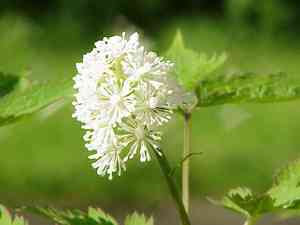
1
Red baneberry is poisonous to people and may lead to serious issues such as confusion and cardiac problems.
2
Simply making contact with red baneberry can result in skin inflammation, with effects persisting for several weeks.
3
Youngsters and animals face significant danger, as red baneberry's vibrant, crimson fruits are especially hazardous.
Is Red baneberry toxic to humans?
Red baneberry is harmful to people if consumed in significant amounts. Every part of the plant contains toxins, with the highest concentrations in the berries and roots, making these the most hazardous to ingest. Symptom severity differs, typically involving a burning feeling in the lips, tongue, and throat, excessive drooling, stomach discomfort, lightheadedness, headaches, loose stools, and confusion. Red baneberry is also thought to affect the heart, leading to impaired function. Touching the plant's surface can also cause skin irritation that might persist for several weeks. Children are most susceptible to red baneberry poisoning due to their curiosity and the allure of the vibrant, red berries.
Is Red baneberry toxic to cat?
Red baneberry presents a moderate danger of toxicity to felines. Should a cat consume any portion of red baneberry, it may suffer from poisoning, as all components of the plant are poisonous. Cat guardians should be watchful, as intoxication can happen if cats chew or swallow a piece of red baneberry. Following ingestion, cats might show non-specific signs of physical unease or distress. It is vital to obtain veterinary assistance at the initial indication of potential poisoning to guarantee appropriate treatment is given and to avert further health issues.
Is Red baneberry toxic to dog?
The plant species red baneberry presents a moderate risk of toxicity to canines. When dogs consume any part of this plant, they face a poisoning risk because the entire plant is toxic. Dogs can become poisoned by ingesting parts of red baneberry, which might occur if they can access areas where the plant grows or if plant fragments are introduced into their surroundings. After consuming red baneberry, dogs may display symptoms such as digestive upset, throwing up, loose stools, and more serious indicators like weakness or convulsions, depending on the quantity ingested. It is critical for dog owners to be attentive and prevent their pets from reaching red baneberry. If a dog does ingest any part of this plant, immediate veterinary attention is crucial to manage the poisoning effectively.



