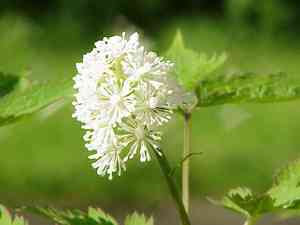
Red baneberry (Actaea rubra)
Also known as: Snakeberry, Doll's eye, Red cohosh, Coralberry, Rattlesnake herb, White-fruited red baneberry
Lily of the Valley, or Convallaria majalis, is a compact plant that features lovely white flowers during the spring and vivid red berries in the summer. While it can add beauty to shaded garden areas, it's important to note that all parts of this plant are toxic and should not be consumed.
Attributes of Red baneberry
Images of Red baneberry
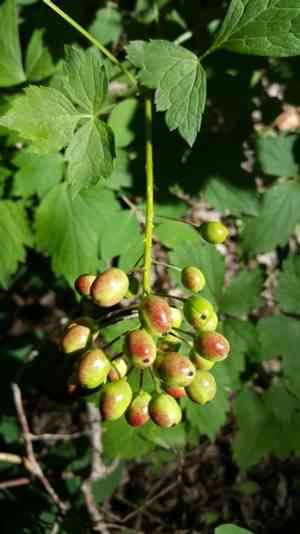
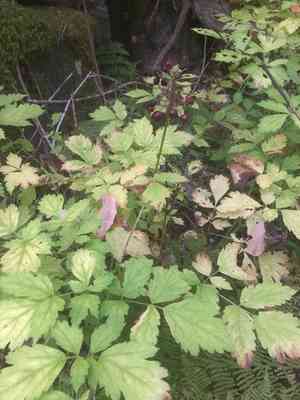
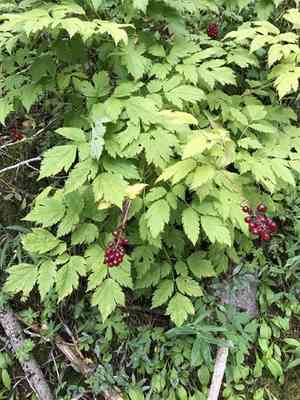
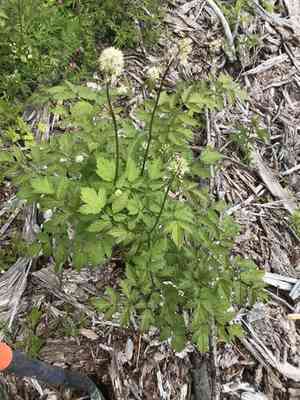
Quickly Identify Red baneberry
Scientific Classification of Red baneberry
Planting and Growing of Red baneberry
 How to Water Red baneberry?
 What Are the Sunlight Requirements for Red baneberry?
 What Is the Ideal Temperature Range for Red baneberry?
 What Soil is Best for Red baneberry?
 How to Fertilize Red baneberry?
 How to Prune Red baneberry?
 How to Propagate Red baneberry plant?
 How to Repot Red baneberry plant?
Toxicity of Red baneberry
Is Red baneberry toxic to humans?
The red baneberry is highly toxic to humans if consumed in substantial amounts. Every part of this plant contains poison, but the highest concentrations of toxins are located in the berries and roots, making these the most perilous components to ingest. Symptoms can range in severity and frequently manifest as a burning feeling in the lips, tongue, and throat, excessive salivation, stomach pain, dizziness, headaches, diarrhea, and confusion. Moreover, red baneberry is thought to adversely affect heart function, leading to complications. Additionally, contact with the plant's surface can cause skin irritation, known as dermatitis, which may last several weeks. Children are particularly vulnerable to red baneberry poisoning owing to their natural curiosity and the allure of its bright red berries.
Is Red baneberry toxic to cat?
Red baneberry presents a moderate toxicity threat to felines. If a cat consumes any portion of the red baneberry plant, it may suffer from poisoning, given that all parts of this plant are toxic. Cat owners must remain alert, as the risk of poisoning arises if cats nibble on or ingest any part of red baneberry. After ingestion, affected cats may exhibit vague signs of physical discomfort or distress. It is crucial to obtain veterinary assistance as soon as any indication of possible poisoning arises to guarantee appropriate treatment is provided and to avert additional health issues.
Is Red baneberry toxic to dog?
The plant species known as red baneberry presents a moderate toxicity hazard to dogs. If dogs consume any portion of this plant, they face the risk of poisoning, as the entire plant is toxic. Dogs may become poisoned by ingesting parts of red baneberry, which can happen if they venture into areas where the plant proliferates or if plant remnants are introduced into their surroundings. Following the ingestion of red baneberry, dogs may show symptoms like gastrointestinal distress, vomiting, diarrhea, and potentially more severe manifestations such as weakness or seizures, which depend on the quantity consumed. Therefore, it is imperative for dog owners to stay alert and keep their pets away from red baneberry. If a dog does ingest any part of this plant, prompt veterinary assistance is critical to properly address the poisoning.



