How to Transplant Goosegrass?
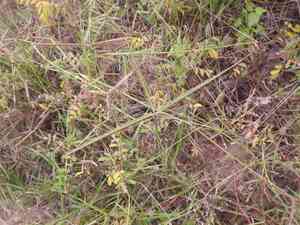
Goosegrass flourishes when relocated between early and late summer, benefiting from ideal warm conditions. Select a bright, well-draining spot to guarantee robust development. Although generally hardy, steering clear of excessively damp zones can avert root problems.
Necessary Preparations Before Moving Goosegrass?
Optimal Period for Relocating Goosegrass?
The best time to move goosegrass, an annual, is from early to late summer. This timeframe provides the warm soil and consistent sunlight needed for strong root development and vigorous growth. Transplanting then maximizes the plantâs ability to adapt quickly to its new spot, ensuring a healthy and productive season.
Required Spacing Between Goosegrass Plants?
When relocating goosegrass, aim for a distance of 12-18 inches (30-45 cm) between plants. This allows ample room for healthy growth without crowding.
Best Soil Mixture for Goosegrass Relocation?
Goosegrass thrives in well-draining soil with a pH between 6.0-7.5. Before moving, incorporate a base fertilizer like compost or aged manure to enrich the soil.
Where to Replant Your Goosegrass?
Select a sunny location for goosegrass where it will receive at least 6-8 hours of daily sunlight. This will encourage robust growth and flourishing.
Equipment Needed Before Moving Goosegrass?
Gardening Gloves
To safeguard your hands while handling soil and plants.
Hand Trowel
For digging small holes and loosening the plant's surrounding soil.
Shovel or Spade
To excavate a larger hole and lift the plant without harming its roots.
Watering Can
To hydrate the plant before and after its relocation.
Wheelbarrow
For moving the plant and soil if necessary.
Garden Fork
To gently separate tangled roots if they are pot-bound.
How to Extract Goosegrass from the Ground?
How to Extract Goosegrass from the Ground?
From Ground: First, moisten the goosegrass plant to dampen the soil. Next, use a shovel or spade to dig a wide trench around the plant, ensuring the root ball stays intact. Carefully lift the plant by working the spade beneath the root ball.From Pot: Start by thoroughly watering the goosegrass plant. Gently tap the pot's sides to loosen the soil. Carefully invert the pot, supporting the plant with your hand, and slide the plant out. If roots are bound, use a garden fork to gently untangle them.From Seedling Tray: Lightly water the goosegrass seedlings. Use a hand trowel to gently loosen the soil around each seedling. Carefully lift each seedling by its roots, trying to keep as much soil attached as possible.
Step-by-Step Guide for Relocating Goosegrass
Prepare the New Location
Ensure the new planting spot is ready before extracting your goosegrass plant. Dig a hole twice as wide and the same depth as the plant's root ball.
Relocate the Plant
Center the goosegrass plant in the hole. Make sure the plant sits at the same depth as it was in its original container. Backfill the hole with soil, gently pressing it down to remove air pockets.
Water Thoroughly
After moving, water the goosegrass plant extensively to help settle the soil and reduce transplant shock.
Apply Mulch
Spread a layer of mulch around the base of the goosegrass plant to help retain moisture and regulate soil temperature.
Post-Transplant Care for Goosegrass?
Watering
Keep the soil around the goosegrass consistently moist, but not waterlogged, for the initial weeks after transplanting to aid in strong root development.
Monitoring
Regularly inspect the goosegrass plant for any indications of stress or pests, and take appropriate action if needed.
Mulching
Periodically refresh the mulch layer to maintain moisture and prevent weeds.
Addressing Common Issues with Goosegrass Relocation.
When is the best time to move goosegrass?
The ideal time to move goosegrass is from early summer to late summer.
What is the optimal spacing for goosegrass during relocation?
Ensure a spacing of 12-18 inches (30-45 cm) between each goosegrass plant when relocating.
How do I prepare the soil for goosegrass relocation?
Enrich the soil with compost and ensure good drainage before moving goosegrass.
How deep should I plant goosegrass transplants?
Plant goosegrass at the same depth they were in their previous containers to avoid stress.
What should I do if goosegrass transplants appear wilted?
Water goosegrass thoroughly if they look wilted to help them recover from transplant shock.
How often should goosegrass be watered after relocation?
Water goosegrass regularly, keeping the soil consistently moist but not saturated.
Can I use mulch around goosegrass after relocation?
Yes, apply a thin layer of mulch to help retain soil moisture and control weeds.
How long does goosegrass take to establish after relocation?
Goosegrass typically takes a couple of weeks to establish after being moved.
What is the ideal temperature for goosegrass after relocation?
Goosegrass thrives in warm weather, ideally between 70-85°F (21-30°C) after relocation.
Can I fertilize goosegrass immediately after relocation?
Wait a few weeks until goosegrass is established before fertilizing to avoid transplant stress.



