How to Propagate Goosegrass?
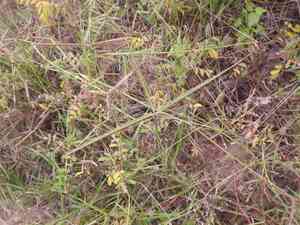
Goosegrass flourishes when reproduced by seeding. Cultivators ought to choose a soil blend that drains effectively, making certain the environment mimics goosegrass's natural habitat for peak development. It is vital to sustain steady hydration levels without saturating the soil. Careful handling of the seeds improves their sprouting success. Soon after sprouting, juvenile plants must be spaced out or relocated to avoid congestion, fostering more robust growth.
When Is the Optimal Time to Propagate Goosegrass?
Propagation Method
Sowing
Propagation Period
Spring
What Equipment Is Used in Goosegrass Propagation?
Seed trays
Seed trays are vital for planting goosegrass seeds. They aid the initial sprouting process by offering a controlled setting. Small sections in the trays ensure seeds have ample room to grow without interference from nearby seedlings. This helps maintain organized development and simpler transplanting later.
Sterile potting mix
Utilizing a sterile potting mix guarantees that goosegrass seeds are planted in a disease-free medium, which is essential for preventing seedborne illnesses that could hinder germination and early seedling growth. The potting mix should be light and drain well to support the delicate roots of young goosegrass seedlings.
Watering can with a fine rose
The gentle water distribution from a watering can with a fine rose is perfect for goosegrass, preventing seed displacement or damage to fragile new shoots. Consistent moisture levels can be maintained without overwatering, which is crucial for successful seedling germination and growth.
Grow lights
If propagating goosegrass indoors or in suboptimal sunlight conditions, grow lights provide the necessary light spectrum that supports photosynthesis and healthy seedling growth. This ensures young plants develop robustly, even in environments lacking natural sunlight.
Heat mat
A heat mat is beneficial for goosegrass when propagating in colder climates or seasons. It encourages effective seed germination by maintaining a consistent soil temperature, which is particularly important for temperate zone propagation of this species.
How to Propagate Goosegrass?
Propagation Type
Easy
How to Care for Your Newly Propagated Goosegrass?
How to Care for Your Newly Propagated Goosegrass?
After sprouting, ensure that the young goosegrass plants are gradually accustomed to their permanent location. Gradual exposure to outdoor conditions is vital if they are not already in their final growing spot. Continue to provide consistent moisture and begin introducing a balanced fertilizer monthly to support growth. Monitor for pest and disease issues and treat promptly to maintain healthy plants.
Common Errors to Avoid When Propagating Goosegrass
Insufficient seed preparation
Failing to adequately prepare goosegrass's seeds can result in poor germination rates. The tough outer layer of the seeds may require specific treatments to enhance sprouting, and neglecting this step can lead to unsuccessful propagation.
Overwatering
While maintaining moist conditions is crucial for goosegrass's germination and growth, excessive water can lead to fungal diseases or root rot. This can severely impact the health of goosegrass and reduce propagation success.
Ignoring weed competition
When propagating goosegrass, overlooking the presence of competing weeds can impede its growth. Weeds can outcompete goosegrass for nutrients, light, and space, negatively affecting its development.
Tips For Propagating Goosegrass
Seed scarification
Implementing seed scarification methods such as light sanding or soaking the seeds in water can help break down the tough seed coat of goosegrass, promoting better water absorption and germination rates.
Controlled watering
Maintaining a balance in soil moisture is crucial for goosegrass. Ensure the soil is consistently moist but not waterlogged to support healthy growth and avoid fungal diseases.
Weed management
Regularly removing weeds from the propagation area can prevent them from competing with goosegrass for essential resources. This management promotes healthier growth and increases the likelihood of successful propagation.



