The Goosegrass Plant Advantage: Maximizing Home and Office Appeal and Wellness
1
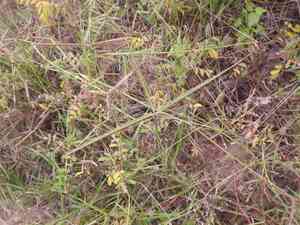
Goosegrass is recognized for its capacity to effectively hinder soil degradation.
2
Goosegrass functions as a strong feed source for farm animals because of its rich nutrient profile.
3
This flora substantially aids biodiversity by offering a home for diverse life forms.
How Does Goosegrass Help Prevent Soil Erosion?
Root Structure
The root system of Goosegrass is strong and widespread, allowing it to firmly hold soil. This feature makes it valuable in areas susceptible to erosion as it helps keep soil in place and prevents it from being washed away by heavy rains or wind. The dense roots of Goosegrass bind soil particles together, creating a more stable ground layer that can resist environmental pressures.
Ground Cover
Goosegrass also serves as an excellent ground cover, lessening the impact of raindrops on the soil surface, a common cause of soil displacement. Its leaves form a protective layer, minimizing soil compaction and encouraging better water absorption. By covering the ground, Goosegrass reduces surface runoff, thereby decreasing the occurrence of erosion.
What Makes Goosegrass a Valuable Forage for Livestock?
Nutritional Content
A primary advantage of Goosegrass is its high nutritional value, making it a preferred feed for farm animals. It is rich in vital nutrients such as proteins, fibers, and minerals essential for the growth and well-being of livestock. The balanced nutrient profile of Goosegrass ensures animals receive a complete diet, which can boost their overall productivity and health.
Palatability and Digestibility
Furthermore, Goosegrass is known for its palatability, meaning livestock are more likely to consume it readily compared to other forage options. Its digestibility is another notable characteristic that makes it an excellent feed choice. Livestock can efficiently break down and absorb nutrients from Goosegrass, leading to improved growth rates and healthier animals.
How Does Goosegrass Support Biodiversity?
Habitat Provision
Goosegrass offers crucial habitat for various organisms, significantly contributing to biodiversity. Its dense foliage and ground cover create an inviting environment for insects, small mammals, and birds. These organisms depend on Goosegrass for shelter and breeding sites, enhancing the ecological diversity of their habitats. The presence of such a plant can foster a thriving micro-ecosystem where numerous species coexist and flourish.
Pollinator Attraction
Additionally, Goosegrass attracts pollinators like bees and butterflies, which are vital for maintaining healthy ecosystems. These pollinators play a key role in the reproduction of many plant species. By providing nectar and pollen, Goosegrass supports the life cycle of these beneficial insects, which in turn pollinate other plants, promoting greater biodiversity in the area.
What Are the Environmental Benefits of Goosegrass?
Carbon Sequestration
Goosegrass also plays a vital role in carbon sequestration, helping to lessen the effects of climate change. Its photosynthetic activity captures carbon dioxide from the atmosphere and stores it in plant biomass and soil organic matter. This process lowers the overall concentration of greenhouse gases in the air, contributing to a cleaner and more sustainable environment.
Improving Soil Health
The presence of Goosegrass improves soil health by enriching it with organic matter and enhancing its structure. The plant contributes organic residues to the soil as it grows and decomposes, fostering a nutrient-rich environment for beneficial soil microorganisms. These microorganisms aid in nutrient cycling and soil aeration, resulting in improved soil fertility and productivity.
What Sustainable Practices Benefit from Goosegrass?
Erosion Control Measures
Incorporating Goosegrass in erosion control strategies can be highly effective. Its ability to stabilize soil and prevent erosion makes it an ideal choice for areas vulnerable to degradation. By planting Goosegrass along slopes, riverbanks, and other erosion-prone landscapes, we can ensure long-term soil health and sustainability.
Agroforestry Systems
Goosegrass can also be integrated into agroforestry systems, where trees, crops, and forages are grown together. In such diverse systems, Goosegrass contributes to soil fertility, provides feed for livestock, and offers habitat for beneficial organisms. This integrated approach can lead to more resilient and productive agricultural landscapes, fostering greater ecological balance.



