How to Transplant Dwarf desert peony?
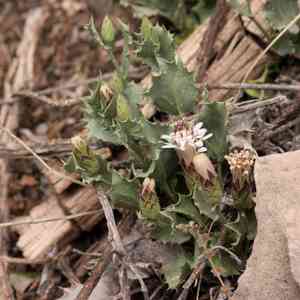
The optimal period for transplanting dwarf desert peony spans from mid-spring to late spring, facilitating seamless adjustment. Select a location offering abundant light and soil that drains effectively. Should relocation be necessary, gently manage its root system to alleviate shock.
What Preparations are Needed Before Transplanting Dwarf Desert Peony?
What is the Ideal Time for Transplanting Dwarf Desert Peony?
The optimal period for relocating dwarf desert peony to your garden is during the core of spring. This season provides mild temperatures and ample moisture, creating ideal conditions for strong root development. Moving dwarf desert peony to its new spot at this time ensures gentle acclimation, leading to a vibrant, lasting display. This timing aligns with natural cycles, offering a growth phase before summer heat, promoting a sturdy, well-established plant. Seize this opportune moment to guarantee your dwarf desert peony thrives!
How Much Space Should You Leave Between Dwarf Desert Peony Plants?
When you're ready to move your dwarf desert peony, ensure they have sufficient room to flourish. A spacing of 12-18 inches (30-46 cm) between each plant will be adequate. This provides them with ample space to grow and prevents competition for resources.
What is the Best Soil Mix for Dwarf Desert Peony Transplanting?
Before planting your dwarf desert peony, let's prepare a comfortable bed for them to thrive. They prefer well-draining soil, so consider incorporating sand or perlite if your garden soil is too dense. Mix in a balanced, slow-release fertilizer to give them a nourishing start.
Where Should You Relocate Your Dwarf Desert Peony?
For your dwarf desert peony to flourish, they will require a sunny location that receives at least 6 hours of sunlight daily. Choose a spot where the morning sun warms the ground or where daylight is plentiful, ensuring your plants will be well-lit and content.
What Equipments Should You Prepare Before Transplantation Dwarf Desert Peony?
Gardening Gloves
To shield your hands while handling soil and plants.
Shovel or Spade
To excavate around and beneath the plant for removal.
Watering Can or Hose
To hydrate the plant before and after relocation.
Measuring Tape
To determine appropriate spacing for transplanting.
Wheelbarrow or Garden Cart
To move the plant from one spot to another.
Pruning Shears
To trim any damaged roots or foliage.
Garden Fork
To loosen the soil at the new planting site.
How Do You Remove Dwarf Desert Peony from the Soil?
How Do You Remove Dwarf Desert Peony from the Soil?
From Ground: First, water the dwarf desert peony to moisten the soil. Carefully dig a wide circle around the plant with a shovel or spade, ensuring the root ball remains undamaged. Gently work the tool under the root ball to free it from the soil and lift it out.From Pot: Water the dwarf desert peony and allow excess water to drain. Tilt the pot sideways and tap the bottom to loosen the plant. Support the plant by its base and carefully slide it out of the pot, taking care not to break the stem.From Seedling Tray: Water the seedlings to make the soil damp. Use a spoon or a small implement to gently lift the dwarf desert peony from its cell by pushing up from the bottom. Be gentle to avoid harming the delicate roots.
Step-by-Step Guide for Transplanting Dwarf Desert Peony
Preparation
Confirm the new site has been prepared as per prior instructions, without disturbing the soil's characteristics and the established sunlight exposure for dwarf desert peony. Ensure the ground is loosened with a garden fork for easier transplantation.
Excavation
Using a shovel or spade, dig a hole in the new location that is twice as wide and equally deep as the dwarf desert peony's root ball. This promotes root expansion.
Planting
Carefully position the dwarf desert peony in the center of the hole, ensuring it stands upright. The plant's base should be level with the surrounding ground to prevent water accumulation.
Filling
Backfill the soil around the root ball, gently patting it down with your hands to eliminate air pockets. Water thoroughly after planting to settle the soil and hydrate the roots.
Stabilizing
Add support if necessary, such as plant stakes, to help the dwarf desert peony remain upright and stable while its new roots are establishing.
How Do You Care For Dwarf Desert Peony After Transplanting?
Immediate Watering
After transplanting, water the dwarf desert peony generously to help alleviate shock and settle the soil around its roots.
Mulching
Apply a layer of mulch around the base of dwarf desert peony to retain moisture and inhibit weed growth. Keep mulch a few inches away from the stem to prevent rot.
Regular Monitoring
Inspect the dwarf desert peony daily for the initial couple of weeks, looking for signs of transplant shock like wilting or discolored leaves. If needed, provide shade to aid its acclimatization.
Gentle Fertilizing
After a few weeks, once the dwarf desert peony shows signs of new growth, apply a balanced, slow-release fertilizer to encourage healthy development.
Troubleshooting Common Issues with Dwarf Desert Peony Transplantation.
When's the best time to transplant dwarf desert peony for optimal growth?
Transplant dwarf desert peony during the ideal period of mid to late spring for the highest chance of success.
How far apart should I space dwarf desert peony when transplanting?
Each dwarf desert peony needs a generous space of 12-18 inches (30-45 cm) to thrive.
Why is my transplanted dwarf desert peony wilting after planting?
Wilting may be due to transplant shock. Ensure adequate watering and initially avoid direct sunlight.
What's the best way to prepare the soil for dwarf desert peony?
Incorporate organic compost into the soil to create a nutrient-rich base for dwarf desert peony.
Should I water dwarf desert peony immediately after transplanting?
Yes, give dwarf desert peony a thorough watering after transplanting to help roots settle and reduce shock.
How deep should I plant dwarf desert peony when transplanting?
Plant dwarf desert peony at the same depth it was in its previous container to prevent root suffocation.
How do I choose the right location for transplanting dwarf desert peony?
Select a spot with full sun to partial shade and well-draining soil for dwarf desert peony's well-being.
What should I do if leaves on dwarf desert peony start turning yellow?
Yellow leaves often indicate overwatering. Allow the soil to dry out somewhat before watering again.
Is it necessary to prune dwarf desert peony after transplanting?
Light pruning helps dwarf desert peony prioritize root establishment. Remove only damaged or dead foliage.
How can I protect newly transplanted dwarf desert peony from pests?
Keep an eye out for pests and apply organic insecticides if needed, to safeguard delicate dwarf desert peony.



