The Dwarf desert peony Plant Advantage: Maximizing Home and Office Appeal and Wellness
1
The dwarf desert peony is a robust plant that flourishes in dry environments.
2
It has distinct characteristics that are advantageous for the ecosystem.
3
This tough plant requires minimal care, making it suitable for diverse locations.
What is Dwarf desert peony?
Origins and Natural Habitat
Originating from North America, Dwarf desert peony is well-suited to dry regions where water is scarce. Its native environment includes desert areas and rocky slopes, where it flourishes despite challenging weather conditions. This background gives Dwarf desert peony its distinct character and hardiness, enabling it to survive in places where few other plants can.
Physical Characteristics
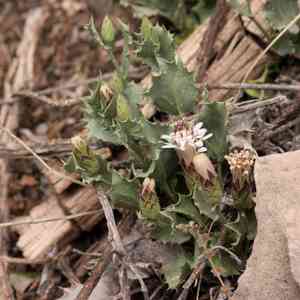
Dwarf desert peony is a small, perennial plant that typically reaches a height of 20-30 cm. It features a thick, sturdy root system that aids in water storage and absorption, ensuring its survival during dry spells. The plantâs foliage consists of small, deep green leaves, and it often displays striking blooms in vibrant hues, adding visual appeal to its rugged habitat.
Environmental Benefits of Dwarf desert peony
Soil Stabilization
One of the significant advantages of Dwarf desert peony is its capacity to stabilize soil in areas prone to erosion. Its extensive root system helps to anchor the soil, reducing erosion and preserving the landscape's integrity. This makes Dwarf desert peony an excellent choice for land restoration projects and efforts to combat desertification.
Biodiversity Support
Dwarf desert peony plays a vital role in supporting local biodiversity. It provides shelter and sustenance for various pollinators, including bees and butterflies. Additionally, its presence fosters a diverse ecosystem by maintaining soil health and water cycles in its natural environment. This ecological function highlights the plantâs importance in sustaining life in harsh conditions.
Practical Uses of Dwarf desert peony
Gardening and Landscaping
Dwarf desert peony's resilient nature and attractive flowers make it a popular option for xeriscaping and dry gardens. It requires minimal watering once established, making it ideal for areas with water restrictions. Furthermore, its low maintenance needs and natural resistance to pests and diseases reduce gardening effort and input costs, providing an aesthetically pleasing and practical solution for sustainable garden design.
Conservation Efforts
Given its environmental advantages, Dwarf desert peony is frequently incorporated into conservation and rehabilitation initiatives. Its ability to thrive in poor soils and arid conditions makes it invaluable for restoration efforts in degraded landscapes. By planting Dwarf desert peony, conservationists can help restore ecological balance, prevent erosion, and create more resilient natural environments.
Why Choose Dwarf desert peony for Your Garden or Project?
Low Maintenance Requirements
Dwarf desert peony stands out for its minimal care needs. Its drought tolerance means it requires little additional watering once established, reducing the time and resources needed for upkeep. This characteristic is especially beneficial in dry regions or for gardeners aiming to minimize their environmental impact.
Visual Appeal
Beyond its practical benefits, Dwarf desert peony brings a splash of color to dry landscapes with its striking blossoms. The flowers can vary in hue, providing a vibrant contrast to the typically muted tones of desert and rock gardens. This visual appeal makes Dwarf desert peony a valuable addition to any garden or landscaping project seeking to enhance aesthetic quality while maintaining sustainability.
How to Care for Dwarf desert peony?
Optimal Growing Conditions
Dwarf desert peony thrives in well-draining soil with full sun exposure. It prefers rocky, sandy soils where water does not easily collect, mimicking its natural habitat. When planting Dwarf desert peony, ensure the site receives ample sunlight throughout the day and that the soil conditions are set to allow proper drainage.
Propagation and Planting Tips
Propagation of Dwarf desert peony can be achieved through seeds or division. It is best to plant during the spring when temperatures are moderate, allowing the plant time to establish before the hot summer months. Ensure that the seedlings or divisions are spaced adequately to accommodate the plantâs mature size.



