How Much Sunlight Do Dwarf desert peony Need?
1
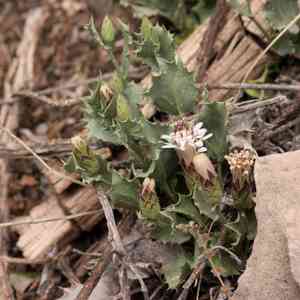
Dwarf desert peony flourishes optimally with ample sunlight, requiring more than six hours of direct sun each day.
2
It can endure some shade, though its flowering might be less abundant.
3
Modifying light exposure throughout the year aids in preserving the Dwarf desert peony's vitality and well-being.
Optimal Light Conditions for the Dwarf desert peony
Full Sun Requirement
The Dwarf desert peony flourishes in environments with abundant sunlight. Ideally, this plant needs full sun exposure, meaning it requires a minimum of 6 hours of direct sunlight daily. This extensive light promotes vigorous development, vivid blossoms, and overall plant vitality. When planting, select a spot not obscured by structures or other plants that could cast shadows.
Partial Shade Adaptability
While the Dwarf desert peony prefers full sun, it can endure some partial shade. In locations where consistent full sun is unavailable, the plant can still survive but might not achieve its maximum flowering potential. Excessive shade can lead to elongated growth and fewer blooms. Therefore, in partially shaded areas, ensure the plant receives the most light during peak sun hours.
Ensuring Proper Light for the Dwarf desert peony
Strategic Placement
The positioning of the Dwarf desert peony is vital for its light requirements. Plant it in a south-facing spot in the northern hemisphere, or a north-facing spot in the southern hemisphere, to maximize sun exposure. Whether in a garden bed or a container, ensure it's not overshadowed by taller plants or structures. Prune any overhanging branches or foliage that might block sunlight.
Utilizing Reflective Materials
Maximizing light can also be achieved by using reflective surfaces around the Dwarf desert peony. Placing reflective items like white stones, mirrors, or reflective mulch can direct more light onto the plant, especially beneficial in shaded areas. These methods can significantly enhance light access without frequent plant repositioning.
Indicators of Insufficient or Excessive Light for Dwarf desert peony
Symptoms of Light Deficiency
A Dwarf desert peony lacking sufficient light will show several signs. Look for elongated or spindly growth, sparse foliage, and reduced blooming. Additionally, leaves may appear pale or less vibrant. These indicate the plant isn't getting the full light spectrum needed for optimal photosynthesis and growth.
Signs of Overexposure to Sun
Conversely, too much direct sunlight, especially during hot summer afternoons, can cause sunburn on the Dwarf desert peony. Symptoms include scorched or brown leaf tips, wilting, and general plant stress. It's crucial to balance sun exposure, providing some midday shade if these signs appear.
Seasonal Light Adjustments for the Dwarf desert peony
Adapting to Seasonal Changes
Throughout the year, sun intensity and duration vary, meaning the Dwarf desert peony may need adjustments. In spring and fall, the plant should naturally receive optimal sunlight without much intervention. However, continuously monitor its health to ensure adequate light.
Winter Light Requirements
During winter, the sun's weaker intensity and shorter days necessitate special care. If growing the Dwarf desert peony indoors, place it near a south-facing window (for the northern hemisphere) to capture maximum sunlight. Consider supplemental grow lights if natural light is insufficient.
Summer Sun Protection
In peak summer, the sun's intensity can be too harsh. Protect the Dwarf desert peony by positioning it to receive morning sun and afternoon shade. Using light shade cloths or placing it behind taller plants can help prevent potential sunburn.



