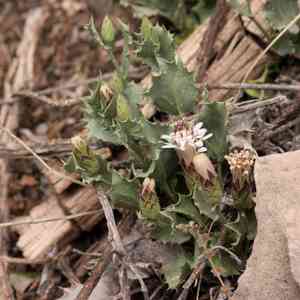
Dwarf desert peony (Acourtia nana)
Also known as: None
The dwarf desert peony (*Acourtia nana*) is native to the desert scrubs and chaparrals of the southwestern United States, particularly in states like Arizona, New Mexico, and Texas. This resilient plant, characterized by its small size and tough, spiny leaves, typically blooms in late spring.
In This Article
Attributes of Dwarf desert peony
Lifespan
Perennial
Plant Type
Herb
Plant Height
30 cm
Spread
Spreading up to 30 cm
Leaf Color
Green
Flower Size
1-2 cm
Flower Color
White Pink Purple
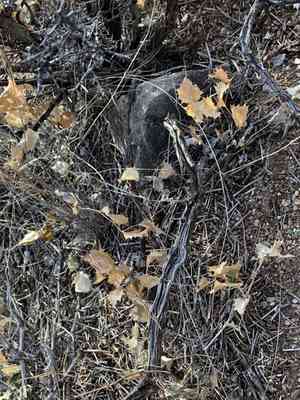
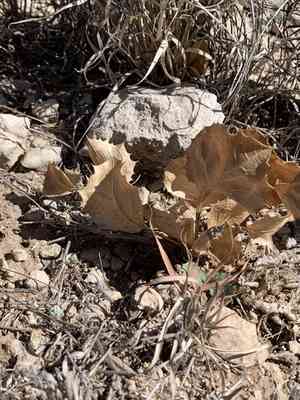
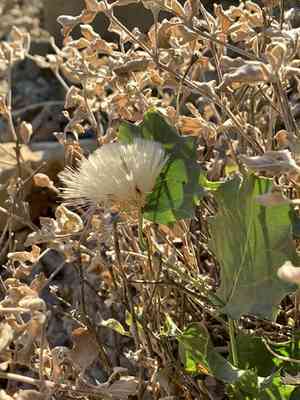
Images of Dwarf desert peony
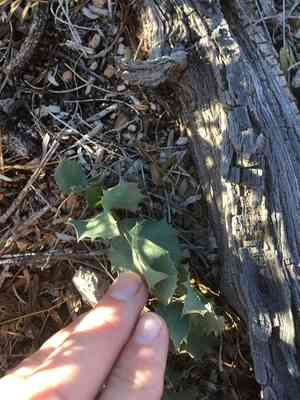
Quickly Identify Dwarf desert peony
1
Identifying Acourtia nana can be done by observing its low-growing, tufted habit, rosy-pink to purple flowers, and deeply lobed leaves. It typically blooms from spring to early summer.
Scientific Classification of Dwarf desert peony
Phylum
Vascular plants
Class
Dicotyledons
Order
Asterales
Family
Daisy
Genus
Acourtia
Species
Dwarf desert peony
Planting and Growing of Dwarf desert peony
Care Difficulty
Easy
Watering Schedule
Every 2 days
Sunlight Requirements
Full sun
Sunshine Duration
4-8 hours
Ideal Temperature
65-75℉
Soil Type
Potting Mix, Peat Mix
Soil pH
6-7.5
Fertilizer Type
Balanced
Pruning Season
Spring, Summer
Pruning Area
Branches, Leaves
Pruning Frequency
Once a year
Repotting Season
Spring
Pot Type
Plastic, Ceramic
 How to Water Dwarf desert peony?
Acourtia nana requires careful watering to thrive. It's best to supply approximately 100 milliliters each session, ensuring the soil remains slightly damp but not soggy. The goal is to mimic its natural desert-like environment, where water is scarce but impactful when present.
What are the symptoms of an underwatered Dwarf desert peony?
›
What should I do if my Dwarf desert peony is not getting enough water?
›
What are the symptoms of an overwatered Dwarf desert peony?
›
How to save an overwatered Dwarf desert peony?
›
 What Are the Sunlight Requirements for Dwarf desert peony?
Partial to full sun is optimal for Acourtia nana, allowing it to exhibit its full growth potential and vibrant blooming season, which thrives under these light conditions.
More About Sunlight Requirements Techniques→
How much sunlight does Acourtia nana need?
›
What solutions exist to achieve ideal sunlight conditions?
›
What benefits does Acourtia nana gain from ideal lighting?
›
 What Is the Ideal Temperature Range for Dwarf desert peony?
The ideal temperature range for Acourtia nana is between 65°F and 75°F. This range promotes healthy growth and ensures the plant has the optimal conditions for photosynthesis and nutrient absorption.
 What Soil is Best for Dwarf desert peony?
Acourtia nana thrives in well-drained soil that prevents waterlogging. This enhances its root health, allowing for optimal nutrient uptake and robust growth. A fertile soil with adequate organic matter provides essential nutrients critical for Acourtia nana's blooming phase, resulting in vibrant flowers. Maintaining moderate soil moisture is crucial for Acourtia nana as it prevents desiccation without risking root rot. This balance aids in sustained growth and flowering.
 How to Fertilize Dwarf desert peony?
The amount of fertilizer for Acourtia nana should be moderate, ensuring that the soil retains adequate nutrients without overwhelming the plant. Utilize approximately half the recommended dose on the fertilizer label to avoid nutrient overdose.
 How to Prune Dwarf desert peony?
Begin by inspecting the plant for any dead or diseased branches and remove them first. Follow by trimming any leggy or excess growth. Focus on shaping the plant to maintain its natural mound-like appearance, cutting just above healthy leaf nodes to encourage new growth.
More About Pruning Techniques→
 How to Propagate Dwarf desert peony plant?
1
Begin by filling seed trays with a well-draining potting mix. Sow the seeds of Acourtia nana lightly on the surface and cover them with a thin layer of soil. Water gently but thoroughly to ensure seeds have adequate moisture.
2
Use the sharp pruning shears to take 3-4 inch cuttings from healthy, disease-free parts of the plant. Remove any flowers or buds to direct energy towards root development. Apply rooting hormone to the cut end to encourage root growth.
3
Place the cuttings into a pot filled with a suitable potting mix. Keep the soil consistently moist but not waterlogged. Provide a warm, humid environment to promote root development, such as by covering with a plastic dome or using a propagation mat.
 How to Repot Dwarf desert peony plant?
1
You'll know it's time to repot your Acourtia nana when you see roots growing out of the drainage holes, or when the plant stops growing or appears stunted. Repotting is best done in spring or early summer to give the plant time to settle into its new home during the growing season.
2
Choose a pot that is just a size larger than the current one; having holes at the bottom is crucial for drainage. A material like terracotta is ideal as it allows for good air circulation, preventing root rot and helping the soil dry out properly between waterings.
3
Opt for a well-draining sandy soil mix. This will mimic the plant's natural environment, preventing overwatering and ensuring the roots have adequate air spaces to receive oxygen. A cactus or succulent potting mix can be an excellent choice for this purpose.
Learn More About Dwarf desert peony Diseases
Anthracnose
Bacterial Leaf Spot
Bacterial Soft Rot
Bacterial Wilt
Black Spot
Chemical Injury
Crown Gall
Cyst Nematode
Damping-off
Downy Mildew
Drought Stress
Fusarium Wilt
Gray Mold
Leaf Spot
Mosaic
Nutrient Deficiency
Nutrient Toxicity
Powdery Mildew
Root Rot
Root-knot Nematode
Rusts
Sooty Mold
Spider Mites
Temperature Stress
Thrips Damage
White Mold



