How to Transplant Ox knee?
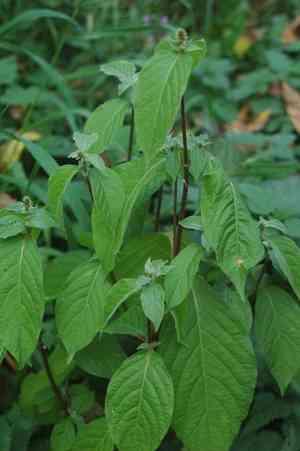
The optimal period for transplanting ox knee extends from the onset of early spring until the threshold of summer's heat, facilitating vigorous development. Preferred new locations are partially shaded areas featuring soil that drains effectively. Careful handling and steady hydration after transplanting encourage successful establishment.
What Preparations are Needed Before Transplanting Ox Knee?
What is the Ideal Time for Transplanting Ox Knee?
The optimal period for relocating ox knee spans from the initial stirrings of early spring through the vibrant, growth-filled late spring. This timing is perfect due to the mild weather, which aids ox knee in establishing itself with the advantages of cooler, moist soil and the forthcoming summer warmth to stimulate development. Placing ox knee in its new spot during this interval guarantees a smooth transition, as roots can spread comfortably without the strain of extreme temperatures. Additionally, increased daylight hours support natural photosynthesis, boosting ox knee's chances to thrive.
How Much Space Should You Leave Between Ox Knee Plants?
Greetings green thumb! You'll want to provide your ox knee ample room to flourish. Aim to plant each one approximately 12-15 inches (30-38 cm) apart. This spacing is just right to allow your ox knees to spread their roots and grow beautifully without competing for resources.
What is the Best Soil Mix for Ox Knee Transplanting?
Before your ox knees get cozy in their new home, prepare a nurturing base for them! Use well-draining soil, rich in organic matter. A bit of compost or a balanced slow-release fertilizer will give your ox knees an excellent start. Just sprinkle it in and mix gently with the soil.
Where Should You Relocate Your Ox Knee?
Your ox knee loves basking in the sun! Select a sunny spot in your garden that receives full to partial sunlight for most of the day. If you're in a particularly hot region, a location that gets some afternoon shade will help prevent your ox knee from overheating.
What Equipments Should You Prepare Before Transplantation Ox Knee?
Gardening Gloves
To safeguard your hands while working with soil and plants.
Spade or Shovel
For excavating the plant and preparing the new planting site.
Pruning Shears
To trim any damaged roots or foliage prior to transplanting.
Watering Can or Hose
To thoroughly hydrate the plant after transplantation.
Wheelbarrow or Garden Cart
To move the plant and soil without harming the root system.
Gardening Trowel
For handling smaller plants or delicate root work.
How Do You Remove Ox Knee from the Soil?
How Do You Remove Ox Knee from the Soil?
From Ground: First, water the ox knee to moisten the soil. Then, dig a wide trench around the plant using a spade or shovel, ensuring the plant's root ball remains intact. Carefully work the spade under the root ball to lift the plant from its original location.From Pot: Begin by watering the ox knee thoroughly. Turn the pot sideways and gently tap the pot's edges to loosen the root ball. Grasp the base of the plant and ease the root ball out, providing support to the stem with your other hand.From Seedling Tray: Water the seedlings well. Use a gardening trowel or your fingers to carefully lift each ox knee from the tray, being sure to support the delicate root ball fully to minimize damage.
Step-by-Step Guide for Transplanting Ox Knee
Checking the Plant's Health
Ensure that the ox knee is robust and free from indications of disease or stress. Healthy foliage and roots enhance the likelihood of successful transplanting.
Digging the Hole
At the new site, excavate a hole that is twice as wide and equally as deep as the ox knee's root ball to provide ample room for root expansion.
Plant Positioning
Place the ox knee in the center of the hole, ensuring it sits at the same depth it was previously growing. The plant should be upright and straight.
Filling the Hole
Carefully backfill the hole with the excavated soil, gently tamping down around the root ball to eliminate air pockets.
Watering
Water the ox knee generously immediately after planting to settle the soil around the roots and provide essential hydration for recovery.
Stabilization
If the ox knee is tall or top-heavy, consider temporarily staking it for support until the roots take hold and can support the plant.
How Do You Care For Ox Knee After Transplanting?
Monitoring
Keep a close watch on the ox knee for signs of transplant shock, which may include wilting, leaf drop, or discoloration.
Watering
Maintain consistent moisture around the ox knee, especially during dry periods, to encourage healthy root development without over-saturating the soil.
Mulching
Apply a layer of mulch around the base of the ox knee to help retain soil moisture and regulate soil temperature.
Pruning
Prune any damaged or dead foliage to direct the ox knee's energy toward establishing its roots and new growth.
Protection
Provide shelter from strong winds or extreme temperatures for the initial few weeks as the ox knee acclimates to its new environment.
Troubleshooting Common Issues with Ox Knee Transplantation.
When's the ideal time to transplant ox knee for best growth?
The prime window for transplanting ox knee is from the thaw of early spring to the cusp of summer.
How far apart should I space ox knee during transplantation?
Aim for a generous berth of 12-15 inches (30-38 cm) to give ox knee ample room to flourish.
Can ox knee tolerate transplanting in summer or fall?
It's not idealâtransplant ox knee in cooler spring to avoid stress and assure root establishment.
How deep should I plant ox knee's roots in the soil?
Nestle ox knee's roots comfortably in a hole as deep as the root ball itself, no deeper.
Should I water ox knee immediately after transplanting?
Yes, give ox knee a good drink to settle soil and roots, but avoid waterlogging.
What signs indicate ox knee isn't happy post-transplant?
Watch for wilting, leaf discoloration, or halt in growth, which suggests distress or shock.
How do I prepare the soil before transplanting ox knee?
Enrich soil with compost, ensuring good drainage and aeration for healthy ox knee roots.
Can ox knee be moved on a hot, sunny day?
Better to choose an overcast day or evening to prevent immediate sun stress post-transplant.
What's the best way to handle ox knee's roots while transplanting?
Handle with care, preserve as much root soil as possible, and gently untangle if needed.
Will mulching benefit ox knee after transplanting?
Absolutely, a layer of mulch will retain moisture and regulate soil temperature for ox knee.



