How to Prune Ox knee?
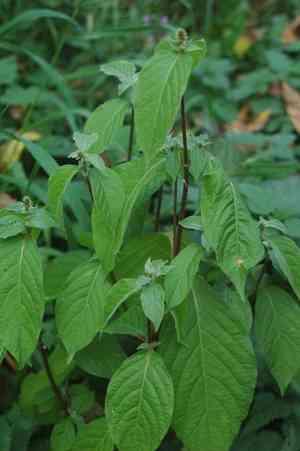
Originating from Asia, ox knee is a persistent herbaceous plant characterized by its unique spear-shaped leaves. Trimming should primarily involve eliminating withered or ailing foliage to preserve the plant's well-being and stimulate fresh development. Reduce the plant's stature by as much as one-third, making cuts above the leaf junctions. The most opportune period for pruning is during spring or early summer, aligning with its vigorous growth stage. Pruning enhances air movement, thereby lowering the likelihood of disease and revitalizing ox knee's progress.
What Are the Benefits of Pruning Ox Knee?
What Are the Benefits of Pruning Ox Knee?
Trimming ox knee promotes robust development and maintains its desired shape. Strategic cuts can revitalize the plant, ensuring it directs energy into producing new, healthy shoots instead of supporting old or overgrown branches.
What Is the Best Time for Pruning Ox Knee?
What Is the Best Time for Pruning Ox Knee?
Pruning ox knee in the Spring maximizes growth as the plant emerges from dormancy, leveraging its natural growth cycle when energy reserves support recovery and new growth. Early Summer trimming ensures that ox knee has time to recover before colder months, while still benefiting from active growth. These seasons avoid disrupting ox knee's blooming or fruiting periods, and help maintain plant health by removing dead or diseased tissue during a time of vigorous growth.
What Tools Do I Need to Prune Ox Knee?
Hand Pruners
For trimming and shaping ox knee, hand pruners or secateurs are the most essential tools. They are designed for cutting stems and branches up to 3/4 inch thick, which is ideal for this plant's relatively thin stems.
Pruning Shears
Ox knee does not require heavy-duty cutting tools; therefore, pruning shears are perfect for quick snips and control over the cut, making them an excellent choice for selective thinning and removing dead foliage.
Gardening Gloves
To protect hands from scratches and ensure safe handling of the plant and tools while pruning ox knee, gardening gloves are recommended. They offer grip and shield the skin from potential irritants.
Clean Cloth and Disinfectant
To prevent the spread of disease when pruning ox knee, it is vital to use a clean cloth and disinfectant to wipe down the blades of pruning tools before and after usage.
How to Prune Ox Knee
Sanitizing Tools
Before starting the pruning process of ox knee, ensure all pruning tools are clean and sterilized to prevent the spread of disease. Use a solution of one-part bleach to nine parts water to sanitize your tools, and let them dry before use.
Identifying Parts
Carefully inspect ox knee to identify any diseased leaves, withered leaves, and diseased stems. Look for signs of discoloration, spots, or decay which typically characterize unhealthy plant parts in need of removal.
Removal Of Diseased Leaves
Using a sharp pair of pruning shears, start by trimming off diseased leaves from ox knee at their base, where the leaf stem meets the main stem or branch. Make clean cuts to avoid damaging healthy tissue and dispose of the diseased leaves properly.
Removal Of Withered Leaves
Proceed to remove withered leaves, which may appear dry and brown. Clip these off at the base of the leaf stem as well, ensuring you are not cutting any new growth or healthy foliage on ox knee.
Removal Of Diseased Stems
If there are any diseased stems on ox knee, isolate the affected area and make a cut into healthy tissue below the diseased segment, ensuring a clean and angled cut for improved healing and water runoff. Properly dispose of all pruned material to prevent reinfection.
Common Pruning Mistakes with Ox Knee
Over-Pruning
Removing too much foliage can stress ox knee, leading to stunted growth or even plant death. It's crucial to be conservative and not exceed removing more than a third of the plant's overall structure at any pruning session.
Improper Cuts
Clean, angled cuts heal faster and prevent disease. Incorrect cut angles or using dull tools can cause unnecessary injury to ox knee, making it susceptible to pests and diseases.
Neglecting Tool Hygiene
Failing to sanitize pruning tools before and after use on ox knee can spread pathogens from infected plants to healthy ones, undermining the health of your entire garden.
Pruning Healthy Growth
Indiscriminate pruning without assessing the plant's health and growth patterns can result in the removal of vital, healthy growth, negatively impacting ox knee's vigor and flowering potential.
Ignoring Plant Structure
Not taking the time to understand and follow the natural shape of ox knee can result in a plant that grows unevenly and weakly, compromising its aesthetic and structural integrity.
Common Pruning Tips for Ox Knee
Sharp Tools
Using sharp, clean pruning shears will ensure clean cuts that heal quickly, minimizing stress on ox knee and reducing the risk of disease.
Selective Pruning
Focus on removing dead, diseased, or overgrown stems, as well as any crossing branches that may rub together and damage ox knee. This improves air circulation and directs the plant's energy toward healthy growth.
Post-Pruning Care
After pruning, provide ox knee with adequate water and nutrients to support recovery and new growth. This will enhance the plantâs resilience and promote robust development.
Gradual Approach
For plants that require significant shaping or size reduction, it's best to space out the pruning activities over several growing seasons rather than doing it all at once, to prevent shocking ox knee.
Heed Growth Patterns
Observe and understand the growth cycle and patterns of ox knee to make informed pruning decisions that encourage the plant species' natural form and optimal health.



