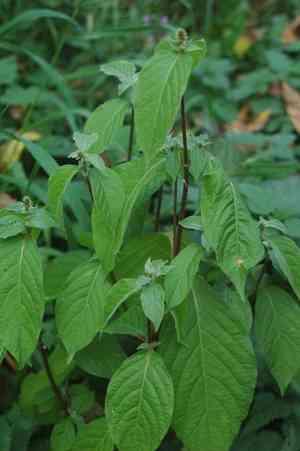
Ox knee (Achyranthes bidentata)
Also known as: Ox Knee, Chinese Blushwood
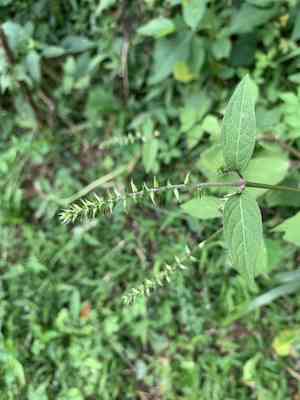
Achyranthes aspera stands out within the Amaranthaceae family due to its distinctive features. It is an upright, perennial herb reaching heights of 1-2 meters. The plant is characterized by its simple, opposite leaves that are elliptical or ovate and have short petioles. One of its defining traits is the elongated, terminal spikes that bear small, greenish-white flowers. Additionally, the stems and branches are often covered with fine hairs, giving them a rough texture. The seeds are enclosed in a persistent, hardened calyx, which helps in their dispersal by clinging to animals and clothing.
In This Article
Attributes of Ox knee
Lifespan
Perennial
Plant Type
Herb
Plant Height
91 cm
Spread
40 cm
Leaf Color
Green
Flower Size
15 cm to 20 cm
Flower Color
Green
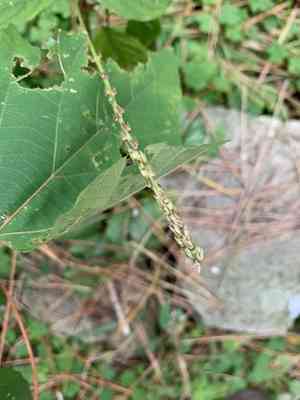
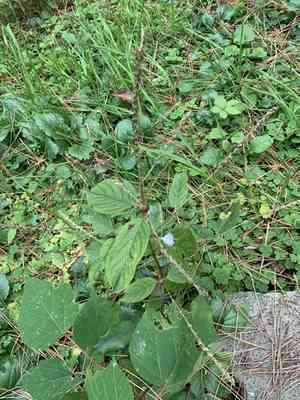
Images of Ox knee
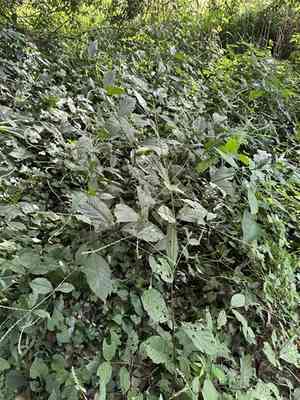
Quickly Identify Ox knee
1
Identify Achyranthes bidentata by its opposite leaves that are dentate or serrated at the edges, small greenish-white flowers, and characteristic swollen joints of the stem.
Scientific Classification of Ox knee
Phylum
Vascular plants
Class
Dicotyledons
Order
Caryophyllales
Family
Amaranth
Genus
Chaff flowers
Species
Ox knee
Planting and Growing of Ox knee
Care Difficulty
Easy
Watering Schedule
Every 2 days
Sunlight Requirements
Partial sun
Sunshine Duration
6-12 hours
Ideal Temperature
65-77℉
Soil Type
Potting Mix, Peat Mix
Soil pH
6.5-7.5
Fertilizer Type
Balanced
Pruning Season
Spring, Summer
Pruning Area
Branches, Leaves
Pruning Frequency
2 times a year
Repotting Season
Spring
Pot Type
Plastic, Ceramic
 How to Water Ox knee?
Achyranthes bidentata thrives with a moderate watering approach. For optimal health, ensure that the top inch of soil becomes dry between watering sessions. Each session typically involves around 500 milliliters, allowing the water to reach the root zone without oversaturating. Water until you see a slight trickle from the drainage holes.
What are the symptoms of an underwatered Ox knee?
›
What should I do if my Ox knee is not getting enough water?
›
What are the symptoms of an overwatered Ox knee?
›
How to save an overwatered Ox knee?
›
 What Are the Sunlight Requirements for Ox knee?
Achyranthes bidentata flourishes with partial sun to full sun exposure. Ideal lighting ensures vibrant growth, enhanced leaf coloration, and bolstered overall plant health.
More About Sunlight Requirements Techniques→
What are the optimal light conditions for Achyranthes bidentata?
›
How can I achieve ideal lighting for Achyranthes bidentata?
›
What benefits does Achyranthes bidentata gain from ideal light conditions?
›
 What Is the Ideal Temperature Range for Ox knee?
Achyranthes bidentata thrives best at a temperature range between 65°F and 77°F. This range provides the optimal conditions for its physiological processes, ensuring robust growth and development. Maintaining this temperature range helps maximize photosynthesis and nutrient uptake, leading to healthy and vibrant plants.
 What Soil is Best for Ox knee?
Achyranthes bidentata thrives best in well-drained soil to prevent waterlogging, which can cause root rot and other fungal diseases. Ensuring good drainage allows the roots to breathe and fetch necessary nutrients efficiently. The plant prefers soil with moderate fertility levels, which means avoiding overly rich soils that promote excessive leafy growth at the expense of root development, which is crucial for this plant's medicinal properties. While needing well-drained soil, it’s important to maintain a balance where the soil can retain enough moisture to sustain the plant between watering, promoting a robust and healthy root system vital for its growth.
 How to Fertilize Ox knee?
Achyranthes bidentata requires a balanced approach when it comes to fertilization. The ideal amount should depend on the soil's nutrient profile, but as a guideline, use a diluted concentration of liquid fertilizer to prevent root burn. About 1/4 strength of a standard liquid fertilizer is sufficient.
 How to Prune Ox knee?
Begin by inspecting the plant closely and identifying any dead, damaged, or diseased stems, as well as any that cross or rub against others. Use clean, sharp pruning shears to make clean cuts, which will promote faster healing. Cut the stem at a 45-degree angle just above a node or a bud to encourage new, healthy growth. Ensure your cuts are not too close to the node to prevent damage.
More About Pruning Techniques→
 How to Propagate Ox knee plant?
1
To prepare the seeds for propagation, soak them in water overnight to facilitate germination. This softens the seed coat and accelerates the sprouting process.
2
Select healthy stems and cut them just below a leaf node. Ensure each cutting is about 4-6 inches long without any flowers or buds. Leaves on the lower half of the cuttings should be removed to reduce water loss.
3
For division propagation, carefully dig up the plant and divide the root ball into smaller sections, ensuring each section has roots and shoots. Replant the sections immediately to avoid dehydration.
 How to Repot Ox knee plant?
1
Achyranthes bidentata needs repotting primarily when its roots begin to outgrow the current container. This often coincides with visible roots poking out through drainage holes, or when the plant’s growth seems stunted despite optimal water and nutrition levels.
2
Opt for a pot that is approximately 2-3 inches larger in diameter than the current one. Ensure it has adequate drainage to prevent root rot. Clay pots are often favored for their breathability, promoting healthy root growth by allowing excess moisture to evaporate.
3
Choose a well-draining loamy soil, as it provides the perfect balance of moisture retention and drainage. Incorporating organic matter or sand can help improve overall soil texture, thus reducing the risk of waterlogging, which is detrimental to the roots.
Learn More About Ox knee Diseases
Anthracnose
Bacterial Leaf Spot
Bacterial Soft Rot
Bacterial Wilt
Crown Gall
Cyst Nematode
Damping-off
Downy Mildew
Drought Stress
Fusarium Wilt
Gray Mold
Leaf Spot
Mosaic
Nutrient Deficiency
Nutrient Toxicity
Powdery Mildew
Root Rot
Root-knot Nematode
Rusts
Sooty Mold
Spider Mites
Temperature Stress
Thrips Damage
White Mold



