How to Overwinter Ox knee
1
Ox knee is a cold-tolerant plant, allowing it to withstand low temperatures.
2
Appropriate mulching can greatly improve Ox kneeâs ability to survive winter.
3
Consistent observation and prompt modifications assist Ox knee in flourishing even through the most severe winter weather.
What are the Winter Needs of Ox knee?
What are the Winter Needs of Ox knee?
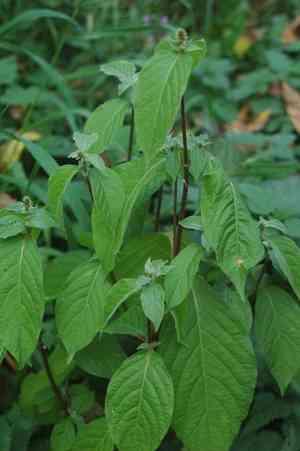
The Ox knee (Achyranthes bidentata) is a robust plant that flourishes in diverse climates, making it an excellent choice for both indoor and outdoor settings. However, like all vegetation, it has specific requirements during colder periods. Winter presents challenges for many plants, and ensuring Ox knee is properly prepared can help it survive and even thrive. Key winter needs for Ox knee include appropriate soil moisture, protection from extreme cold and winds, and consistent upkeep. This plant is frost-tolerant, meaning it can endure freezing temperatures, but it still needs some attention to prevent harm from harsh weather.
Preparing Ox knee for Winter
Checking Soil and Moisture Levels
Maintaining proper soil moisture is vital for Ox knee's health during winter. Reduce watering frequency as its growth slows, but ensure the soil doesn't completely dry out. Use your finger to check soil moisture about 2-3 inches (5-7 cm) deep. If it feels dry, it's time to water. Remember that while Ox knee is resilient, it can suffer from both drought and excessive watering in winter.
Appropriate Mulching Techniques
Mulching is an excellent method to shield Ox knee from the cold. Apply a 2-3 inch (5-7 cm) layer of organic mulch, such as straw, leaves, or wood chips, around the plant's base. This insulates the roots, retains soil moisture, and minimizes temperature fluctuations. Mulching also provides protection against frost and can deter pests.
Pruning and Deadheading Tips
Pruning and deadheading are crucial tasks to ready Ox knee for winter. Remove any dead or damaged leaves and stems to lessen the risk of disease and pests. Pruning also helps maintain the plant's shape and size. Use clean, sharp tools for precise cuts, and avoid over-pruning, as this can stress the plant.
Providing Protection from Extreme Weather
Using Covers and Frost Cloths
Protecting Ox knee from frost and extreme temperatures can be achieved using garden fleece, frost cloths, or even old blankets. Cover the plants at night when temperatures drop significantly, and uncover them during the day to allow sunlight and air circulation. Ensure covers don't directly touch the leaves to prevent potential damage.
Shielding from Winter Winds
Winter winds can be harsh on Ox knee. Creating windbreaks with burlap screens or garden fabric can protect the plant from cold, drying winds. If the plant is potted, consider moving it to a more sheltered spot, such as against a wall or inside a greenhouse.
Managing Snow and Ice Accumulation
While snow can offer extra insulation, heavy accumulation can harm Ox knee. Gently brush off excess snow from the branches. For ice, avoid attempting to break it off, as this can cause further damage. Instead, consider using a gentle stream of tepid water to melt it safely.
Monitoring Ox knee Throughout Winter
Regular Inspections and Observations
Regularly inspecting Ox knee during the winter months helps catch problems early. Look for signs of pests, diseases, or damage from cold or wind. Keeping a close eye on the plant allows for prompt corrective actions.
Common Winter Problems and Solutions
Common winter issues include frost damage, root rot from overwatering, and pest infestations. Frost-damaged leaves should be pruned, roots kept moderately moist but not waterlogged, and pests controlled with appropriate, eco-friendly solutions like neem oil.
When and How to Resume Spring Care for Ox knee
Gradual Temperature Adjustment
As winter transitions to spring, it's vital to gradually adjust Ox knee to changing temperatures. Begin by removing protective covers during the day and replacing them at night. This allows the plant to slowly acclimate to warmer conditions.
Re-adjusting Soil and Nutrient Levels
Spring is the time to refresh the soil and add nutrients. Replace the top 2-3 inches (5-7 cm) of mulch with fresh material and consider adding compost or a balanced fertilizer to boost soil fertility. This aids Ox knee in resuming active growth.
Restarting Regular Watering and Feeding
Increase watering gradually as the weather warms, ensuring the soil remains consistently moist but not waterlogged. Resume regular feeding with a balanced fertilizer every 4-6 weeks to support new growth and flowering.



