How to Transplant Indian acalypha?
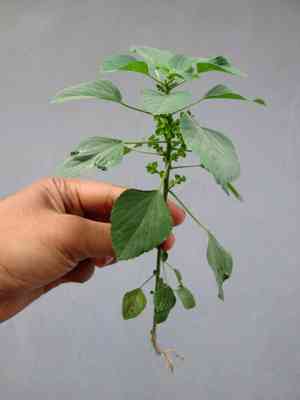
The optimal period for relocating indian acalypha spans from mid-spring to early summer. Choose a bright spot featuring soil that drains effectively. Carefully move the plant, preserving the root ball's structure to foster development.
Essential Preparations Before Relocating Indian Acalypha
Optimal Timing for Indian Acalypha Relocation?
The perfect window for moving indian acalypha spans from the heart of spring to the onset of early summer. This period offers mild weather, crucial for indian acalypha to establish its root system, promoting vigorous development. Transplanting indian acalypha at this prime time also ensures it avoids frost risks and benefits from increasing daylight, vital for its growth. This allows it to fully utilize the season's gentle rains and warming soil, setting the stage for a thriving and healthy life cycle.
Recommended Spacing Between Indian Acalypha Plants?
When relocating indian acalypha, aim for a generous spacing of 18-24 inches (45-60 cm) between each plant. This provides ample room for growth and air circulation, fostering a happy, healthy plant!
Ideal Soil Blend for Indian Acalypha Transplantation?
For indian acalypha, a well-draining soil enriched with organic compost as a foundational fertilizer works wonders. This preparation creates a nourishing environment for your plant to flourish and thrive!
Optimal Location for Your Indian Acalypha?
Select a sunny spot for your indian acalypha where it can receive at least 6 hours of direct sunlight daily. This sun-loving plant will reward you with robust growth when provided with its preferred light conditions!
Tools Required Before Transplanting Indian Acalypha
Gardening Gloves
To safeguard your hands while handling soil and the plant.
Shovel or Spade
For carefully excavating the plant without harming its root ball.
Hand Trowel
For more precise control when lifting your indian acalypha from a container or tray.
Watering Can or Hose
To hydrate the plant before removal and after replanting.
Pruning Shears
To snip off any dead or damaged foliage and roots.
Gardening Fork
To loosen the soil around the plant's roots when extracting it from the ground.
Wheelbarrow or Plant Carrying Tray
To move the plant and its soil without causing stress.
Mulch
To help retain moisture and regulate soil temperature around the newly transplanted indian acalypha.
Method for Extracting Indian Acalypha from the Soil
How to Remove Indian Acalypha from the Soil?
From Ground: First, thoroughly water the indian acalypha to make the soil easier to manage. Then, using a shovel or spade, dig a circle around the plant wide enough to encompass all roots without cutting them. Gently slide the spade beneath the root ball to lift the plant from the ground.From Pot: Begin by tapping the pot's sides to loosen the soil. Next, invert the pot and carefully ease the indian acalypha out, supporting the plant with your other hand. If resistance occurs, use a hand trowel to loosen soil around the pot's edges.From Seedling Tray: Water the tray to ensure moist roots, then use a hand trowel or your fingers to gently lift the indian acalypha from its cell. Be cautious not to harm the delicate roots during this process.
Detailed Steps for Transplanting Indian Acalypha
Prepare the New Location
Dig a hole in the ground that is twice the width of your indian acalypha's root ball and of equal depth.
Examine the Roots
Before transplanting your indian acalypha, inspect its roots. Prune any damaged or dead ones with your pruning shears for a healthier start.
Plant Placement
Position your indian acalypha in the center of the hole. The top of the root ball should be level with the surrounding soil surface.
Backfill the Hole
Gently fill the hole with soil, lightly tamping it down around the indian acalypha to eliminate any air pockets.
Water Generously
Immediately after transplanting, give your indian acalypha a thorough watering to help settle the soil around the roots and provide essential hydration for recovery.
Apply Mulch
Spread a layer of mulch around the base of the indian acalypha to help maintain soil moisture and regulate temperature.
Post-Transplant Care for Indian Acalypha
Consistent Watering
Establish a watering schedule that keeps the soil around your indian acalypha moist. This is especially vital during the initial weeks to aid recovery and new root growth.
Pest Inspection
Monitor your indian acalypha for any indications of pest infestations, which are common for stressed plants. Early detection and treatment are crucial.
Pruning
Trim any additional foliage that appears to be wilting or dead. This will allow your indian acalypha to direct its energy towards establishing strong new roots.
Growth Monitoring
Observe the growth of your indian acalypha; this will help you determine if it's adapting well to the new environment or if adjustments are necessary.
Stability Support
If your indian acalypha seems weak or unstable in its new spot, provide support with staking or ties to help it grow upright.
Resolving Common Issues with Indian Acalypha Transplantation.
What's the ideal time to transplant indian acalypha for optimal growth?
Ideally, transplant indian acalypha from mid to late spring, when the soil warms up.
How much space should I leave between indian acalypha when transplanting?
Space indian acalypha plants about 18-24 inches (45-60 cm) apart to ensure proper growth.
Why is my transplanted indian acalypha wilting after relocation?
Wilting post-transplant can be due to water stress. Ensure adequate watering after moving indian acalypha.
How deep should I plant indian acalypha during transplantation?
Dig a hole as deep as the root ball and twice as wide for the best start for indian acalypha.
Can indian acalypha be transplanted into full sun locations?
Yes, indian acalypha thrives in sunlight. Just ensure it's well-watered post-transplant to prevent stress.
What should I do if indian acalypha shows signs of transplant shock?
If indian acalypha appears shocked, keep the soil moist and shield it from extreme temperatures.
Is it necessary to fertilize indian acalypha during transplantation?
While not essential, adding a balanced fertilizer can help indian acalypha establish more quickly.
How can I tell if indian acalypha has sufficient water after transplanting?
Soil should be kept consistently moist. Check by touch; if the top inch is dry, it's time to water indian acalypha.
Should I prune indian acalypha when transplanting?
Trimming damaged leaves can help indian acalypha focus on root growth, but avoid heavy pruning.
Can indian acalypha be transplanted on cloudy days?
Yes, transplanting indian acalypha on overcast days can reduce stress and prevent wilting.



