How to Prune Indian acalypha?
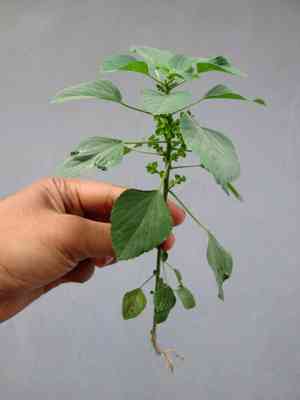
Originating from tropical zones, this rapidly developing, non-woody shrub features leaves ranging from green to red and possesses flower clusters resembling catkins. For indian acalypha, strategic trimming is essential for preserving its form, managing its dimensions, and fostering a denser habit. Shorten elongated stalks and eliminate any withered or ailing leaves. The most suitable periods for pruning are in Spring, Summer, or Autumn, coinciding with its vigorous growth periods. Pruning indian acalypha boosts its vitality and can improve both its aesthetic qualities and general well-being.
What Are the Benefits of Pruning Indian Acalypha?
What Are the Benefits of Pruning Indian Acalypha?
Trimming indian acalypha encourages robust development, fostering a healthier, denser form. It aids in preserving the desired shape, promoting a more attractive look while enhancing the plant's vitality.
What Is the Best Time for Pruning Indian Acalypha?
What Is the Best Time for Pruning Indian Acalypha?
Pruning indian acalypha in spring coincides with the start of its active growth phase, enabling rapid recovery and directing energy toward new development. Early summer is also suitable as indian acalypha can benefit from shaping and thinning, which will lessen the chance of pest infestations and diseases common during warmer, humid periods. Autumn pruning should be restricted to removing dead or damaged parts and completed well before the initial frost to prevent potential harm to indian acalypha. These seasons ensure the plant's health and vigor are maintained, minimizing stress and maximizing its flowering or fruiting potential within its growth cycle.
What Tools Do I Need to Prune Indian Acalypha?
Hand Pruners
Perfect for making neat cuts on indian acalypha's slender stems without causing unnecessary harm to the plant's structure.
Shears
Useful for shaping and trimming indian acalypha's dense foliage, allowing for precision in maintaining the desired form and stimulating new growth.
Gloves
Protects the gardener's hands from potential skin irritation caused by indian acalypha's sap during the pruning process.
Garden Sanitizer
Essential for sterilizing tools before and after pruning indian acalypha to prevent the transmission of diseases between plants.
How to Prune Indian Acalypha
Disinfect Tools
Before beginning, sanitize all pruning implements with isopropyl alcohol or a household disinfectant to prevent disease spread to indian acalypha.
Identify
Inspect indian acalypha closely to locate withered leaves. Search for foliage that is brown, dry, or showing signs of decay.
Cut
Using sharp, clean scissors or pruning shears, snip the withered leaves at their base where they meet the stem. Ensure cuts are clean and avoid tearing to encourage swift healing.
Clean Up
Gently remove all cut leaves from indian acalypha's base and dispose of them properly to deter pests or diseases.
Monitor
Observe indian acalypha regularly after pruning for indications of new growth or any issues, adjusting care as needed to maintain its health.
Common Pruning Mistakes with Indian Acalypha
Overpruning
Removing too much foliage at once can stress indian acalypha, leading to poor health and reduced vigor.
Blunt Tools
Using dull or unclean cutting tools can cause jagged cuts that are more susceptible to disease and may harm indian acalypha's delicate stems.
Improper Cuts
Incorrect cutting angles or locations can damage indian acalypha's stems and delay healing, which opens the plant up to potential infections.
Neglecting Health Assessment
Pruning without first assessing the plant's health can lead to cutting away healthy growth instead of only targeting dead or diseased branches.
Ignoring Plant Structure
Not considering the natural growth pattern of indian acalypha when pruning can result in a loss of shape and structure, affecting its overall appearance.
Common Pruning Tips for Indian Acalypha
Sharp Tools
Ensure pruning tools are sharp and clean for precise cuts that will heal quickly, helping to maintain indian acalypha's health.
Cutting Technique
Make angled cuts just above the leaf nodes to encourage new growth and avoid leaving stubs that can lead to disease.
Disease Prevention
Remove any dead, damaged, or diseased branches to prevent the spread of pests and pathogens in indian acalypha.
Thinning Out
Thin crowded areas to improve air circulation, which reduces the risk of fungal infections and encourages stronger indian acalypha growth.
Size Management
Trim back overgrown branches to keep indian acalypha's size under control without compromising its natural shape.



