Enhancing Your Garden Design with the Indian acalypha Plant: A Landscaping Guide
1
Adding Indian acalypha to your garden can draw in helpful creatures such as bees and butterflies.
2
Indian acalypha is very versatile and suitable for both structured and naturalistic garden designs.
3
The ideal period to plant Indian acalypha is during early spring for the best development.
Appreciating the Visual Qualities of Indian Acalypha
Aesthetic appeal: Emphasizing leaves and coloration
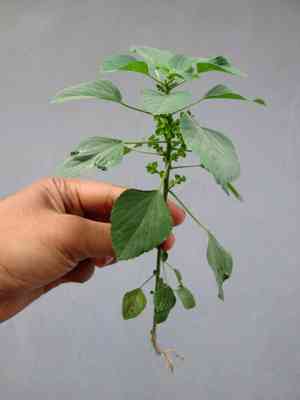
A primary allure of Indian acalypha is its vivid foliage. The leaves frequently display a rich green with diverse textures, offering a delightful sight in any setting. They can impart a lush, dense appearance, ideal for adding depth and visual interest to your garden. Whether your outdoor space is modest or expansive, the striking look of Indian acalypha can instantly enhance its charm.
Growth pattern and form of Indian acalypha
Another key characteristic of Indian acalypha is its growth habit and structure. This plant typically grows upright, developing a tidy, bushy form that can serve as a prominent border or focal point in your garden. Its structure is adaptable, allowing it to be shaped into various forms or permitted to grow more naturally, depending on your preferred aesthetic.
Incorporating Indian Acalypha Into Diverse Garden Styles
How to integrate Indian acalypha into a structured garden design
If your garden style leans towards the formal, Indian acalypha can be an excellent addition. Its consistent structure and abundant foliage provide the clean lines and defined shapes typical of formal gardens. Consider planting it in symmetrical arrangements or using it to delineate paths and entryways. The disciplined elegance of Indian acalypha can instill a sense of order and sophistication in your space.
Utilizing Indian acalypha in relaxed or cottage-style gardens
Conversely, Indian acalypha fits equally well in a more casual, informal garden environment. Its natural growth habit allows it to blend seamlessly into a cottage-style garden, where a more free-flowing, organic look is desired. Plant Indian acalypha among a mix of perennials and annuals for a verdant, blooming sanctuary that feels both inviting and unconstrained.
Crafting a tropical haven with Indian acalypha
For those aiming to create a more exotic atmosphere, Indian acalypha is a superb choice. Its bold leaves can emulate the appearance of tropical plants, making it perfect for a tropical-themed garden. Combine Indian acalypha with other tropical flora like ferns, palms, and vibrant flowers to evoke an island getaway ambiance right in your own backyard.
Seasonal Considerations for Indian Acalypha in Landscaping
Optimal planting times for Indian acalypha to ensure robust growth
Timing is crucial when planting Indian acalypha. The best period to plant is in early spring, once the risk of frost has passed. This timing allows the plant to establish its root system thoroughly as warmer weather encourages development. Autumn planting is also feasible in milder climates, giving the plant ample time to settle before winter.
Managing seasonal leaf changes and upkeep
While Indian acalypha is relatively low-maintenance, certain seasonal considerations are important. During the active growing period, consistent watering and occasional fertilization can help maintain the plant's optimal appearance. Pruning in early spring before new growth emerges can help preserve the desired shape and promote denser foliage. Observe how the leaves transform with the seasons, as this can also guide maintenance practices.
Highlighting Indian Acalypha's Contribution to Sustainable Landscapes
Advantages of employing Indian acalypha in water-wise landscaping
A significant benefit of incorporating Indian acalypha into your garden is its suitability for xeriscaping. Xeriscaping is a landscaping approach that minimizes the need for irrigation. Indian acalypha is a drought-tolerant plant, meaning it requires less water once established, making it an environmentally friendly option for landscapes aiming to conserve water.
Supporting local fauna: Bees and butterflies
Beyond its other advantages, Indian acalypha plays a vital role in sustaining local ecosystems. Its blossoms are known to attract pollinators such as bees and butterflies, which are essential for preserving biodiversity. By including Indian acalypha in your garden, you not only enhance its beauty but also contribute to the health of the wider environment.



