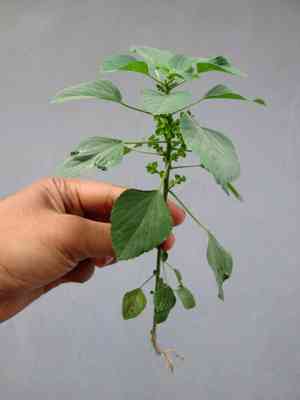
Indian acalypha (Acalypha indica)
Also known as: Indian copperleaf, Indian Mercury
When dealing with the foliage of Indian acalypha (Acalypha indica), exercise significant caution due to its content of hydrocyanic acid, a highly toxic substance. Here are some key precautions:
1. **Wear Protective Gear**: Use gloves to avoid skin contact.
2. **Thorough Cleaning**: Wash your hands well after handling the plant.
3. **Avoid Sensitive Areas**: Keep the plant away from your eyes and mouth.
4. **Use in Open Spaces**: Handle the plant in well-ventilated areas to avoid inhaling any harmful particles.
This plant often grows in poor soils along roadsides and is not typically valued for ornamental purposes.
In This Article
Attributes of Indian acalypha
Lifespan
Annual
Plant Type
Herb
Plant Height
10 cm
Spread
2 m
Leaf Color
Green
Flower Size
2.5 cm to 6 cm
Flower Color
White
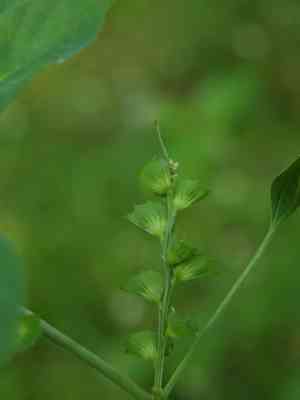
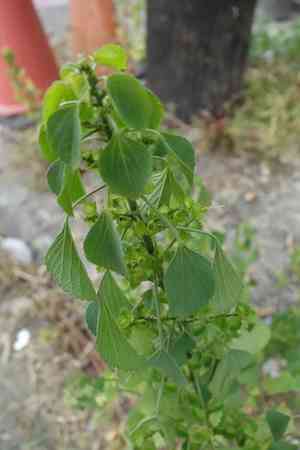
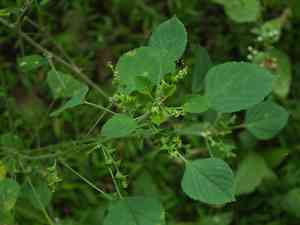
Images of Indian acalypha
Quickly Identify Indian acalypha
1
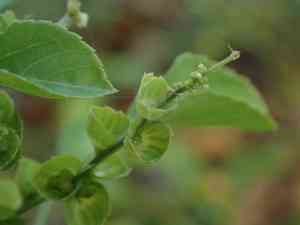
Acalypha indica can be identified by its serrated leaves, small greenish flowers, and the presence of tiny hairs on the plant. The plant typically grows up to 1 meter tall.
Scientific Classification of Indian acalypha
Phylum
Vascular plants
Class
Dicotyledons
Order
Malpighiales
Family
Spurge
Genus
Copperleafs
Species
Indian acalypha
Planting and Growing of Indian acalypha
Care Difficulty
Easy
Watering Schedule
Every 12 days
Sunlight Requirements
Partial sun
Sunshine Duration
4-8 hours
Ideal Temperature
75-85℉
Soil Type
Potting Mix, Peat Mix
Soil pH
6.5-7.5
Fertilizer Type
Balanced
Pruning Season
Spring, Summer
Pruning Area
Branches, Leaves
Pruning Frequency
2 times a year
Repotting Season
Spring
Pot Type
Plastic, Ceramic
 How to Water Indian acalypha?
Acalypha indica thrives best when watered consistently to keep the soil slightly moist, but not waterlogged. Aim for approximately 250 milliliters of water per watering session. This ensures that the roots receive enough hydration without the risk of suffocation or root rot.
What are the symptoms of an underwatered Indian acalypha?
›
What should I do if my Indian acalypha is not getting enough water?
›
What are the symptoms of an overwatered Indian acalypha?
›
How to save an overwatered Indian acalypha?
›
 What Are the Sunlight Requirements for Indian acalypha?
Partial sun is ideal for Acalypha indica. It supports healthy growth and enhances leaf coloration, offering a natural balance for vitality.
More About Sunlight Requirements Techniques→
What is the best lighting condition for Acalypha indica?
›
How can I ensure optimal sunlight exposure for Acalypha indica?
›
What benefits will Acalypha indica gain from ideal lighting?
›
 What Is the Ideal Temperature Range for Indian acalypha?
Acalypha indica thrives in a warm temperature range of 75-85°F, which supports robust growth and optimal health. Such conditions mimic its native tropical origins where warm climates provide consistent energy for physiological processes.
 What Soil is Best for Indian acalypha?
Acalypha indica thrives in well-aerated soil, allowing roots to breathe freely. This helps the plant absorb nutrients and water efficiently, promoting robust growth. Well-drained soil is crucial for preventing waterlogging, which can lead to root rot. Acalypha indica benefits from soil that retains moisture without becoming waterlogged. A soil rich in organic matter provides essential nutrients for Acalypha indica, supporting its vibrant foliage and overall health.
 How to Fertilize Indian acalypha?
For Acalypha indica, a moderate amount of fertilizer is sufficient. It thrives on a balanced nutrient intake, so applying a 10-10-10 NPK fertilizer at a rate of 1 teaspoon per gallon of water is ideal. Be careful to avoid over-fertilization, which can stress the plant and cause leaf burn.
 How to Prune Indian acalypha?
Look for stems that are old, weak, or diseased. These should be your primary targets for removal to improve air circulation and light penetration within the plant. Make your cuts at a 45-degree angle about 1/4 inch above a bud or node. This promotes new growth in a desired direction and aids in quick healing. Always cut back any dead or brown leaves as they can harbor pests and diseases. Ensuring the plant is free from debris helps maintain its health.
More About Pruning Techniques→
 How to Propagate Indian acalypha plant?
1
Collect seeds from mature Acalypha indica plants. Make sure the seeds are completely dry before storing them in a cool, dark place until you're ready to plant them.
2
Sow the seeds in a seed tray filled with potting mix. Cover them lightly with soil and ensure they are not buried too deep, as this can inhibit their ability to sprout.
3
Water the seeds gently to keep the soil moist but not waterlogged. Avoid overwatering as this can lead to fungal growth and seed rot.
 How to Repot Indian acalypha plant?
1
Acalypha indica shows signs it needs repotting when its roots start creeping out of the drainage holes, or if growth appears stunted despite regular feeding. Ideally, you should repot in Spring or Summer to minimize stress and ensure optimal acclimation.
2
Select a pot that's about 2 inches larger in diameter than the current one. Ensure it has drainage holes to prevent waterlogging, which Acalypha indica despises. A good pot size gives the roots enough space to grow, preventing root-bound issues and encouraging healthier growth.
3
Opt for a rich, well-draining soil mix. A combination of loamy soil, sand, and organic compost can work wonders. This soil mix offers essential nutrients while allowing excess water to drain, preventing root rot and promoting a flourishing Acalypha indica.
Toxicity
Ingestion
WARNING
The judgment on toxicity and danger is for reference only. We DO NOT GUARANTEE any accuracy of such judgment. Therefore, you SHALL NOT rely on such judgment. It is IMPORTANT TO SEEK PROFESSIONAL ADVICE in advance when necessary.
Learn More About Indian acalypha Diseases
Anthracnose
Bacterial Leaf Spot
Bacterial Soft Rot
Bacterial Wilt
Crown Gall
Cyst Nematode
Damping-off
Downy Mildew
Drought Stress
Fusarium Wilt
Gray Mold
Leaf Curl
Leaf Spot
Mosaic
Nutrient Deficiency
Nutrient Toxicity
Powdery Mildew
Root Rot
Root-knot Nematode
Rusts
Sooty Mold
Spider Mites
Temperature Stress
Thrips Damage
White Mold



