How to Transplant Koa?
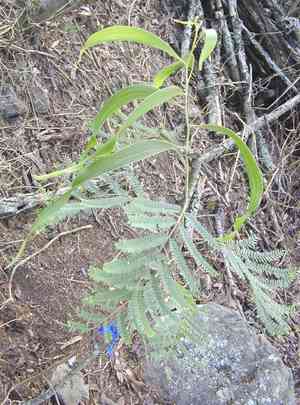
The optimal period for relocating koa spans from the onset of early spring through the culmination of late spring, leveraging mild conditions for root development. Choose a location bathed in sunlight with soil that drains effectively; a small piece of adviceâmeasured irrigation after transplanting assists with adaptation.
What Preparations are Needed Before Transplanting Koa?
What is the Ideal Time for Transplanting Koa?
The best time to move koa is during spring's early to mid-stages. This timing is vital as it allows koa to develop its root system before summer's harsher conditions, providing a growth period with mild temperatures and sufficient soil moisture. Transplanting koa at this point promotes strong development, thanks to the season's balanced sunshine and rain, setting the stage for successful growth. Choosing this season for koa ensures your plant is well-prepared to thrive in its new spot, benefiting from nature's supportive environment.
How Much Space Should You Leave Between Koa Plants?
When planning your koa layout, aim to provide each young tree with ample roomâroughly 20-30 feet (6-9 meters) apart. This ensures they have sufficient space to expand their branches and roots as they mature, without competing for resources.
What is the Best Soil Mix for Koa Transplanting?
For koa, the optimal growing medium is fertile, well-draining soil. Begin by enriching the ground with a balanced starter fertilizer, such as a 10-10-10 (N-P-K) blend. Incorporating organic compost can further enhance soil health, giving your koa an excellent start!
Where Should You Relocate Your Koa?
Select a bright location where your koa will receive abundant natural light. Koa thrives in areas with full sun exposure, ensuring at least 6 hours of direct sunlight daily. Adequate sunlight promotes more vigorous growth and overall health for your koa.
What Equipments Should You Prepare Before Transplantation Koa?
Gardening Gloves
To safeguard your hands while handling soil and plants.
Shovel or Spade
For excavating the plant and preparing the new planting site.
Garden Fork
To loosen and aerate the soil surrounding the plant.
Pruning Shears
To trim any damaged or excessively long roots prior to transplanting.
Watering Can or Hose
To thoroughly hydrate the koa before and after its relocation.
Wheelbarrow
To move the koa and soil to and from the new planting spot.
Mulch
To help maintain soil moisture and regulate temperature around the newly planted area.
Stake or Trellis
For providing support to the plant if it is large or somewhat delicate.
How Do You Remove Koa from the Soil?
How Do You Remove Koa from the Soil?
From Ground: Thoroughly water the koa to moisten the soil. Use a shovel or garden fork to dig a wide circle around the base, avoiding root damage. Gently lift and separate the plant from the surrounding soil, keeping the root ball as intact as possible.From Pot: Water the koa first to dampen the soil, making root ball removal easier. Tilt the pot sideways and tap the bottom or sides to gently dislodge the koa. Carefully slide the plant out, supporting the root ball, and avoid pulling on the stem or foliage.From Seedling Tray: Moisten the seedling mix before attempting to remove koa seedlings. Use a dibber or a small tool to carefully lift the plant, including the entire root mass, to prevent damage to the delicate roots.
Step-by-Step Guide for Transplanting Koa
Preparation
Gather all necessary tools and ensure you have a wheelbarrow or similar for transporting the koa after removal. Allocate sufficient time to complete the transplanting without haste.
Digging the Hole
At the new site, excavate a hole that is twice the width of the koa's root ball and of equal depth, to ensure the plant does not sit deeper than its original growing position.
Root Pruning
Inspect the roots once the koa is extracted. Use pruning shears to remove any damaged or circling roots, encouraging outward growth.
Planting
Gently place the koa into the hole, ensuring it is upright and centered. Backfill with soil, gently firming around the roots to eliminate air pockets.
Watering
Water the koa thoroughly immediately after planting to settle the soil around the roots and help reduce transplant shock.
Mulching
Apply a layer of mulch around the base of the koa, keeping it away from the stem to prevent rot and conserve soil moisture.
Staking
If the koa is tall and top-heavy or if the location is windy, provide support with a stake or trellis.
How Do You Care For Koa After Transplanting?
Initial Watering
Water your koa generously right after transplanting, then regularly, ensuring the soil stays moist but not waterlogged to promote root development.
Mulch Refreshing
Periodically check the mulch layer to maintain its thickness, which aids in moisture retention and weed suppression.
Monitoring
Keep a close watch on the koa's health, looking for signs of stress such as wilting, leaf drop, or discoloration.
Support Maintenance
Adjust stakes or trellis as the koa grows to provide continuous stability without harming the plant.
Troubleshooting Common Issues with Koa Transplantation.
What's the ideal time to transplant koa for best growth?
Transplant koa during the mild months, from early to late spring for optimal establishment.
Why is my koa showing signs of wilt after transplanting?
Wilt can occur if roots were significantly disturbed during transplanting. Ensure careful handling and adequate watering.
How far apart should I plant multiple koa trees?
Space koa trees approximately 20-30 feet (6-9 meters) apart to allow ample growth room.
What soil conditions favor koa after transplanting?
Rich, well-draining soil with a pH of 6.5-7.5 is ideal for koa after transplanting.
How deep should I dig the hole for koa transplanting?
Dig a hole twice as wide and as deep as the root ball to ensure room for growth.
Should I fertilize koa immediately after transplanting?
Avoid fertilizing right after transplanting. Wait until koa is established and shows new growth.
Can transplanting koa during harsh weather affect its survival?
Yes, extreme weather can stress koa. Transplant when conditions are mild, to avoid shock.
Is it necessary to water koa frequently after transplanting?
Yes, regular watering is crucial for the first few weeks to help establish the root system.
How do I know if koa is planted at the correct depth?
The top of the root ball should be level with the surrounding soil to avoid burying the trunk.
Why are the leaves of my transplanted koa turning brown?
Brown leaves could signal under-watering or root damage. Ensure consistent moisture and check for root health.



