How to Prune Koa?
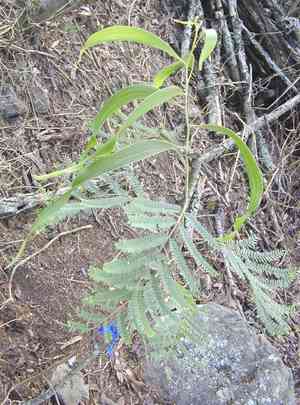
Originating from Hawaii, koa exhibits unique curved phyllodes and is prized for its dense timber. Perform pruning during its dormant period in winter. Begin by excising any dead or ailing branches, then reduce congested sections to improve light penetration and air circulation. Shorten dominant shoots to stimulate horizontal development. For young trees, pruning establishes their framework and shape, whereas established trees need only minor trimming. Advantages of pruning encompass improved tree vitality, visual appeal, and regulated expansion.
Advantages of Trimming Koa
Advantages of Trimming Koa
Trimming koa promotes robust development and helps maintain its desired form. Strategic cutting eliminates weak branches, enhancing light penetration and air circulation, which are vital for koa's health and structure.
Optimal Time for Pruning Koa
Optimal Time for Pruning Koa
Late winter is the best period for pruning koa, as this species is typically dormant then. Pruning during dormancy minimizes stress on koa and encourages strong growth in the subsequent growing season. It also allows gardeners to easily identify branches to trim due to less dense foliage. Furthermore, since koa usually doesn't flower in late winter, pruning at this time avoids cutting off flower buds, thus not affecting blooming or fruiting cycles. This timing also reduces the likelihood of disease or pest infestations, as these are less active in colder months. Pruning in late winter also offers the benefit of wound closure at the start of spring growth, enabling koa to heal faster and reducing susceptibility to infections.
Required Tools for Pruning Koa
Bypass Pruners
Perfect for making clean cuts on smaller koa branches, ensuring minimal harm to plant tissues.
Lopping Shears
Suitable for cutting through thicker koa branches that are too robust for bypass pruners, providing leverage and increased cutting power.
Pruning Saw
Essential for removing large limbs from mature koa specimens, allowing precise cuts on branches beyond the capacity of lopping shears.
Pole Pruners
Useful for reaching higher koa branches without needing a ladder, thus ensuring the pruner's safety while shaping the canopy.
Gardening Gloves
Protect the gardener's hands from thorns and rough bark that koa may possess, ensuring a safe pruning session.
Safety Goggles
Provide eye protection from flying debris and sawdust during the koa pruning process.
How to Prune Koa
Sanitation
Sterilize your pruning tools using a solution of 1 part bleach to 9 parts water to prevent disease spread when trimming koa.
Identification
Inspect koa for dead and diseased branches, often identifiable by discoloration, dryness, or decay.
Safety
Ensure personal safety by wearing gloves and protective eyewear, especially when dealing with larger koa varieties that may require saws or ladders.
Pruning
Using sharp, clean pruning shears or a saw, remove dead and diseased branches by making angled cuts just above a bud or branch junction, being careful not to damage the collar or remaining healthy tissue.
Cleanup
Dispose of removed material by burning or discarding it far from healthy koa specimens to prevent potential disease spread.
Common Pruning Errors with Koa
Over-Pruning
Removing too much foliage at once can stress koa, leading to weakened growth and reduced vigor. It's crucial to never remove more than one-third of the canopy in a single pruning session.
Improper Cuts
Cutting too close to the main stem or leaving large stubs can both lead to disease and pest issues. It's important to make clean, angled cuts just above leaf nodes or branches.
Neglecting Tools
Using dull or dirty pruning tools can result in jagged cuts and introduce diseases to koa. Tools must be sharpened and sanitized before use to ensure clean cuts and reduce the risk of disease.
General Pruning Advice for Koa
Assess Before Cutting
Before any pruning, examine koa thoroughly to identify which branches require removal, such as dead, diseased, or overcrowded limbs, to maintain the plant's health and aesthetics.
Pruning For Shape
Prune koa to maintain a balanced, natural shape. Remove competing leaders early on to promote a strong tree structure and encourage main trunk growth.
Support Regrowth
After pruning, care for koa by providing adequate water, mulch, and possibly a balanced fertilizer to support vigorous regrowth and minimize plant stress.



