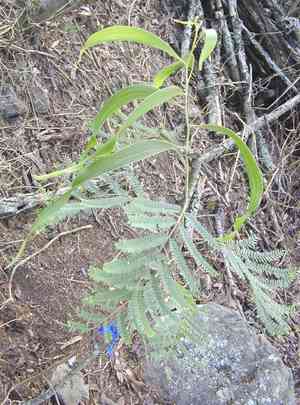
Koa (Acacia koa)
Also known as: Hawaiian Koa
Koa (Acacia koa) is a large flowering tree that is part of the legume family. It is endemic to Hawaii. The trunk of the tree has traditionally been used by indigenous peoples to build vessels similar to dugout canoes and surfboards. In the Hawaiian language, the word "koa" means "brave" or "bold."
In This Article
Attributes of Koa
Lifespan
Perennial
Plant Type
Tree
Plant Height
15 m to 24 m
Spread
12 m
Leaf Color
Green Gray Silver
Flower Size
8 mm to 1 cm
Flower Color
Yellow
Images of Koa
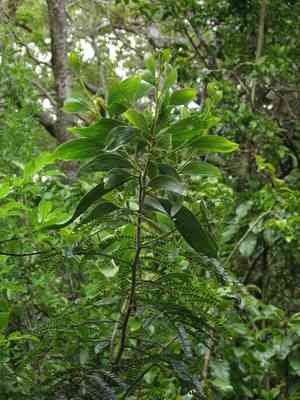
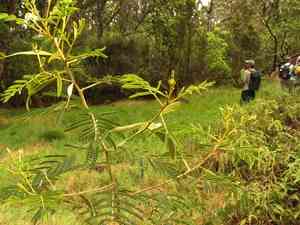
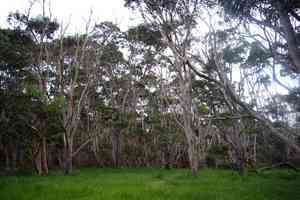
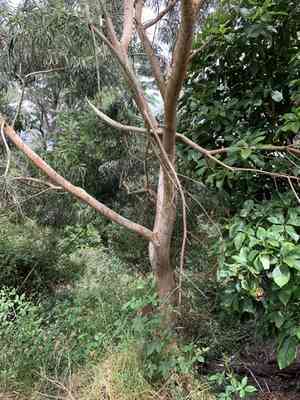
Quickly Identify Koa
1
Identifying Acacia koa involves observing its long, curved leaves that resemble sickles, its pale yellow flowers, and its unique seed pods. The wood of the tree is generally curly and highly figured, which is a distinctive feature.
Scientific Classification of Koa
Phylum
Vascular plants
Class
Dicotyledons
Order
Fabales
Family
Legume
Genus
Acacias
Species
Koa
Planting and Growing of Koa
Care Difficulty
Moderate
Watering Schedule
Every 2 days
Sunlight Requirements
Full sun
Sunshine Duration
4-8 hours
Ideal Temperature
68-82℉
Soil Type
Potting Mix, Peat Mix
Soil pH
6-7.5
Fertilizer Type
Balanced
Pruning Season
Spring, Summer
Pruning Area
Branches, Leaves
Pruning Frequency
Once a year
Repotting Season
Spring
Pot Type
Plastic, Ceramic
 How to Water Koa?
When watering Acacia koa, aim to thoroughly moisten the root zone, ensuring water reaches deep into the soil but doesn't result in standing water. Typically, around 500 ml is sufficient per watering session. The key is to allow the topsoil to dry out between waterings, which prevents root rot and mimics its natural dry conditions.
What are the symptoms of an underwatered Koa?
›
What should I do if my Koa is not getting enough water?
›
What are the symptoms of an overwatered Koa?
›
How to save an overwatered Koa?
›
 What Are the Sunlight Requirements for Koa?
Acacia koa flourishes under full to partial sun, which bolsters robust growth, brilliant foliage color, and stronger resistance to environmental stress.
More About Sunlight Requirements Techniques→
What is the ideal light exposure for Acacia koa?
›
How can I ensure Acacia koa gets its ideal light exposure?
›
What are the benefits of providing ideal light conditions to Acacia koa?
›
 What Is the Ideal Temperature Range for Koa?
The ideal temperature range for Acacia koa growth is between 68°F to 82°F. This range provides the best conditions for physiological processes, ensuring optimal enzymatic activity and cellular respiration.
 What Soil is Best for Koa?
Acacia koa thrives best in well-draining soil. This helps prevent root rot and allows the tree to access essential nutrients more efficiently, supporting robust growth and stability. Rich in organic matter, the soil should support Acacia koa’s growth requirements, contributing to vigorous foliage and enhanced resilience against pests. While Acacia koa tolerates drought conditions, soil with moderate moisture retention helps maintain the tree’s hydration needs during dry spells.
 How to Fertilize Koa?
For Acacia koa, apply liquid fertilizer at half the recommended strength if using a general-purpose mix. This tree prefers a well-balanced nutrient input without overwhelming its growth cycles. Solid, slow-release fertilizers should be used sparingly, ensuring the tree receives nutrients gradually over time, tailored to its modest requirements.
 How to Prune Koa?
Ensure your pruning shears and saws are sharp and sterile before starting. Sharp tools make clean cuts that heal faster, reducing the risk of disease and promoting healthier growth in your Acacia koa. Focus on removing any dead or diseased branches first. Then, look for branches that cross or rub against each other, as this can cause wounds that make the plant susceptible to pests and disease. Cut branches back to the trunk or main stem, ensuring your cuts are clean and angled to allow water runoff. Avoid leaving stubs as they can harbor pests and diseases.
More About Pruning Techniques→
 How to Propagate Koa plant?
1
Acacia koa seeds have a hard outer coat that prevents germination. To increase germination rates, seeds should be scarified either by soaking in hot water for 24 hours or by nicking the seed coat before planting.
2
Once scarified, plant the seeds in a seed tray filled with a starter mix. Cover them lightly with soil and maintain adequate moisture levels. Ensure the seeds are placed in a warm environment to facilitate germination.
3
After the seedlings develop their first set of true leaves, they should be transplanted into larger pots or directly into the ground. During this step, it is crucial to handle the seedlings by the leaves to avoid damaging the delicate roots.
 How to Repot Koa plant?
1
Look for signs like roots growing through the drainage holes, soil drying out quickly, or slowed growth. These indicate your Acacia koa needs more space or a refresh of nutrients, signaling it's time to consider repotting.
2
Select a pot that's 1-2 inches larger in diameter than the current one. Look for pots with multiple drainage holes to prevent waterlogging, which can cause root rot. Material doesn't matter much, but ensure it's sturdy enough to support growth.
3
Use a well-draining sandy loam mixture that promotes aeration and mimics the natural habitat. This soil ensures healthy root development while reducing the chances of overwatering and compaction.
Learn More About Koa Diseases
Anthracnose
Bacterial Leaf Spot
Bacterial Wilt
Crown Gall
Cyst Nematode
Damping-off
Drought Stress
Fusarium Wilt
Gray Mold
Leaf Curl
Leaf Spot
Mosaic
Nutrient Deficiency
Nutrient Toxicity
Powdery Mildew
Root Rot
Root-knot Nematode
Rusts
Sooty Mold
Spider Mites
Temperature Stress
Thrips Damage
White Mold



