How to Transplant Cedar wattle?
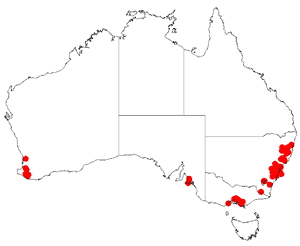
The ideal period for relocating cedar wattle spans from the onset of early spring through the peak of late spring, allowing the specimen to establish itself prior to the summer season. Select a sunny, adequately drained site and carefully manage the cedar wattle's root system to foster vigorous development.
What Preparations are Needed Before Transplanting Cedar Wattle?
What is the Ideal Time for Transplanting Cedar Wattle?
The best time to move cedar wattle is from the start of its active growth phase until it's fully underway. This period, typically late winter to mid-spring, allows cedar wattle to benefit from warmer soil and longer days, which promote root development. This timing helps cedar wattle establish itself before the rigors of summer heat. Transplanting cedar wattle during this phase ensures a strong beginning, boosting its vigor and potential for growth. It's an excellent strategy for cultivating a lush, healthy plant.
How Much Space Should You Leave Between Cedar Wattle Plants?
When selecting a permanent spot for your cedar wattle, remember they require ample room to expand. Aim for a separation of 20-30 feet (6-9 meters). This spacing enables your plants to thrive without competing for essential resources.
What is the Best Soil Mix for Cedar Wattle Transplanting?
Before introducing cedar wattle to its new environment, prepare a welcoming bed with well-draining soil, rich in organic material. Incorporating a balanced, slow-release fertilizer will make the soil more conducive for cedar wattle's roots to take hold.
Where Should You Relocate Your Cedar Wattle?
Choose a sunny location for your cedar wattle that receives at least six hours of direct sunlight daily. They thrive in bright conditions, and ensuring sufficient sun exposure is crucial for their health and vigorous growth.
What Equipments Should You Prepare Before Transplantation Cedar Wattle?
Gardening Gloves
To safeguard your hands while handling soil and plants.
Shovel or Spade
For excavating the plant from its original spot and digging the new planting hole.
Watering Can or Hose
To hydrate the cedar wattle both before and after its relocation.
Root Pruning Shears
To trim any damaged or excessively long roots.
Wheelbarrow
To transport the cedar wattle and soil if necessary.
Mulch
To help maintain soil moisture and regulate temperature around the cedar wattle's root zone after transplanting.
Stakes
To offer support for the cedar wattle if it is tall and susceptible to wind damage.
How Do You Remove Cedar Wattle from the Soil?
How Do You Remove Cedar Wattle from the Soil?
From Ground: Thoroughly water the cedar wattle to moisten the soil. Dig a wide circle around the plant using a shovel. Carefully work around the root ball, then use the shovel to lift the plant from the ground with its root ball intact.From Pot: Water the cedar wattle beforehand to make the soil cohesive. Tilt the pot sideways and tap the bottom to loosen the plant. Gently ease the plant out while supporting the soil and root ball with your hands.From Seedling Tray: Water the seedlings first. Gently press the base of the cell to push the seedling out. Hold the seedling by its leaves rather than the stem to prevent damage.
Step-by-Step Guide for Transplanting Cedar Wattle
Prepare the New Location
Excavate a hole in the ground that is twice the width and the same depth as the cedar wattle's root ball.
Root Preparation
Examine the cedar wattle's roots, trimming any damaged sections with root pruning shears. If root-bound, gently separate the roots.
Placing the cedar wattle
Carefully lower the cedar wattle into the new hole, positioning it so the top of the root ball is level with the surrounding soil surface.
Filling the Hole
Backfill the hole with soil around the root ball, gently compacting the soil to eliminate air pockets.
Watering
Water the cedar wattle thoroughly after planting to help settle the soil and provide moisture to the roots.
Stabilization
If the cedar wattle is tall and needs support, insert stakes into the ground and tie the plant to them to prevent wind damage.
Mulching
Apply a layer of mulch around the base of the cedar wattle to retain moisture and regulate soil temperature.
How Do You Care For Cedar Wattle After Transplanting?
Staking
Provide support with stakes if the cedar wattle is tall or exposed to strong winds.
Mulching
Apply a thick layer of mulch around the base to conserve moisture and suppress weeds.
Monitoring
Observe the cedar wattle for signs of transplant shock, such as wilting or yellowing leaves.
Pruning
Prune any broken or damaged branches to help the cedar wattle focus its energy on establishing new roots.
Watering
Water the cedar wattle deeply and regularly until it is well-established, typically 1-2 times per week, depending on weather conditions.
Troubleshooting Common Issues with Cedar Wattle Transplantation.
What's the best time of year to transplant cedar wattle?
It's best to transplant cedar wattle during the mild warmth of early to late spring for optimal root establishment.
How far apart should I space cedar wattle when planting?
For proper growth, place cedar wattle 20 to 30 feet apart (6 to 9 meters), allowing ample space for mature spread.
Should I water cedar wattle immediately after transplanting?
Yes, water cedar wattle generously right after transplanting to settle the soil around the roots and aid in recovery.
Why are cedar wattle's leaves wilting after transplant?
Cedar wattle may show temporary wilting due to transplant shock. Ensure consistent moisture and avoid direct hot sunlight for a few days.
Is it normal for cedar wattle to lose leaves after transplanting?
Leaf drop can happen as cedar wattle adjusts to its new location. Maintain proper watering, and it should recover with new growth.
Can I fertilize cedar wattle right after transplanting?
Delay fertilization until cedar wattle exhibits new growth to prevent burning delicate roots. A gentle, balanced fertilizer is ideal.
What signs of root establishment should I look for in cedar wattle?
Signs of successful root development will be new leaf and branch growth, indicating cedar wattle is adapting to its new home.
How do I prepare the soil for transplanting cedar wattle?
Work the soil to a depth of 10 inches (25 cm), enriching it with organic matter to promote healthy root growth.
How deep should the hole be for transplanting cedar wattle?
Dig a hole twice the width of the root ball and the same depth to encourage horizontal root development.
Can cedar wattle be transplanted on cloudy days?
Cloudy, cooler days are perfect for transplanting cedar wattle, as it reduces stress and water loss during the critical adjustment phase.



