How to Prune Cedar wattle?
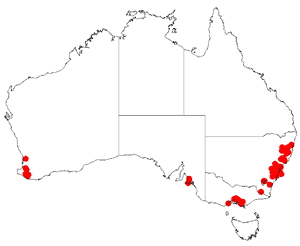
A perennial recognized for its lofty height and delicate leaves, cedar wattle flourishes with judicious trimming. Optimal pruning occurs in the colder months to control its dimensions and form, eliminating deceased or superfluous limbs to foster robust development and air movement. Restrict trimming to no more than one-third of the leaf mass to prevent undue strain. Pruning elevates its aesthetic appeal and diminishes the likelihood of illness by boosting light exposure and ventilation.
What Are the Benefits of Pruning Cedar Wattle?
What Are the Benefits of Pruning Cedar Wattle?
Trimming cedar wattle promotes robust development and helps preserve its desired shape. Precise cuts encourage new, healthy shoots while shaping the canopy for optimal visual appeal and structural soundness.
What Is the Best Time for Pruning Cedar Wattle?
What Is the Best Time for Pruning Cedar Wattle?
During the colder months, cedar wattle is typically dormant, which is the ideal period for pruning as the plant's sap flow is minimal. Winter pruning reduces plant stress and lowers the chance of infection or illness. Furthermore, without leaves, the cedar wattle's structure is more visible, simplifying strategic cuts to shape the plant and remove any damaged or diseased wood. This timing also avoids disrupting the spring growth and blooming cycle, allowing cedar wattle to direct its energy into new growth and recovery after pruning.
What Tools Do I Need to Prune Cedar Wattle?
Hand Pruners
Perfect for removing small branches and shaping cedar wattle. Their size allows for accurate cuts without harming the plant.
Loppers
Suitable for cutting through thicker branches that hand pruners cannot manage, making them essential for controlling cedar wattle's growth.
Pruning Saw
For the thickest branches on cedar wattle, a pruning saw can make clean cuts through wood too thick for hand pruners and loppers.
Pole Pruner
If cedar wattle is tall, a pole pruner enables gardeners to safely reach high branches from the ground without needing a ladder.
Hedge Shears
When shaping the canopy or hedge of cedar wattle, hedge shears are useful for trimming and shaping hedges with more extensive foliage.
How to Prune Cedar Wattle
Clean tools
Before beginning, clean and sanitize pruning tools to prevent the spread of diseases to cedar wattle.
Identify parts
Inspect cedar wattle to locate all dead or diseased branches. These branches often appear discolored, withered, and may show signs of fungal growth or insect damage.
Cut dead branches
Using sharp tools, cut dead branches just above a lateral branch or bud. The cut should be angled downwards, away from the bud, to allow water runoff and reduce disease risk.
Prune diseased branches
Carefully prune diseased branches well below the affected areas to ensure complete removal of the disease. Make sure to cut back to healthy wood with no signs of discoloration or infection.
Dispose materials
Discard all removed material away from healthy plants to prevent any potential disease spread. Do not compost diseased branches to avoid contaminating the compost pile.
Common Pruning Mistakes with Cedar Wattle
Over pruning
Removing too much foliage from cedar wattle, causing stress and potentially hindering growth and flowering. It's crucial to maintain balance, ensuring no more than one-third of the canopy is removed in one pruning session.
Improper cut location
Cutting too close to the main stem or too far from the bud can result in unhealthy regrowth or damage to the plant's natural structure. Pruning cuts should be made just above leaf nodes or dormant buds.
Using dull tools
Pruning cedar wattle with dull or unclean tools can lead to ragged cuts, increasing the risk of disease and pest infestation. Always use sharp, sterilized tools for clean cuts.
Neglecting safety
Failing to wear appropriate safety gear such as gloves and eye protection when pruning cedar wattle can lead to injuries. As cedar wattle can have thorns or rough bark, personal protection is vital.
Ignoring plant health
Attempting to prune cedar wattle when it is unhealthy or under stress can worsen existing issues. Wait until the plant has recovered from ailments such as disease or drought before pruning.
Common Pruning Tips for Cedar Wattle
Correct tool selection
Using the appropriate tools for pruning cedar wattle, such as bypass pruners for smaller branches and loppers or saws for larger limbs, will ensure precise cuts and reduce strain on the plant.
Cleaning tools
Regularly cleaning and disinfecting pruning tools helps prevent the spread of disease among plants. Clean after each use, especially when moving between different plants.
Strategic thinning
Thinning out crowded areas to allow light and air to reach the inner branches of cedar wattle encourages healthy growth and reduces the risk of disease.
Maintaining shape
Prune cedar wattle by following its natural shape, removing only the necessary branches to enhance its appearance without drastically altering its form.
Timely pruning
Pruning cedar wattle at the correct time in relation to its flowering cycle can promote abundant blooms. Focus on removing dead or dying branches that can drain energy from the plant.



