The Cedar wattle Plant Advantage: Maximizing Home and Office Appeal and Wellness
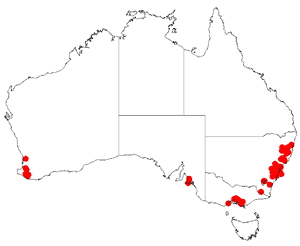
1
Cedar wattle is recognized for its rapid development and robust characteristics.
2
It serves as an aesthetic addition, improving the visual appeal of outdoor spaces.
3
Its timber is greatly prized for its resilience and longevity.
Key Advantages of Cedar Wattle
Rapid Development and Durability
A prominent characteristic of Cedar wattle is its capacity for swift growth and resilience across diverse environmental conditions. This makes it an excellent selection for gardeners and landscapers seeking a robust, low-maintenance plant. Its tough nature ensures survival in various soil types and weather, offering a dependable option for many regions.
Aesthetic Allure
Cedar wattle is highly valued for its visual appeal. Its abundant foliage and attractive blossoms make it a popular choice for decorative planting. Integrating Cedar wattle into your landscape design not only beautifies your garden but also adds a touch of elegance and refinement. This plant can serve as a striking centerpiece or complement other greenery in your outdoor area.
Ecological Contributions
Beyond its visual charm, Cedar wattle provides significant environmental advantages. It aids in soil stabilization, reducing erosion and preventing land degradation. Furthermore, the plant supports biodiversity by offering habitat and sustenance for various wildlife species. This positions Cedar wattle as a valuable element in sustainable landscaping practices aimed at preserving natural ecosystems.
Timber Utility
The timber from Cedar wattle is highly esteemed for its strength and longevity. It is frequently utilized in construction, furniture manufacturing, and other applications demanding sturdy and enduring materials. Employing Cedar wattle wood not only guarantees structural integrity but also promotes eco-friendly practices by lessening reliance on less sustainable timber sources.
Shade and Wind Protection
Cedar wattle can function as a natural windbreak and supply much-needed shade in outdoor spaces. Its dense leaves create an effective barrier against strong winds, safeguarding other plants and improving your garden's overall microclimate. Additionally, the shade it provides can create cooler, more comfortable outdoor areas, ideal for relaxation and leisure.
How to Incorporate Cedar Wattle into Landscape Design?
Establishing Visual Highlights
In landscape design, Cedar wattle is frequently employed to create impressive focal points. Its notable height and lush foliage attract attention and add visual interest to gardens and parks. By strategically placing Cedar wattle in key areas, you can enhance the overall aesthetic appeal and create a more dynamic and engaging landscape.
Enhancing Existing Flora
Cedar wattle integrates well with other plants, complementing existing vegetation and contributing to a diverse and visually pleasing garden. Its compatibility with a wide array of plant species makes it an excellent choice for mixed-border plantings and layered garden designs. This adaptability allows for imaginative combinations and distinctive landscape compositions.
Privacy Barriers and Hedges
Due to its dense growth habit, Cedar wattle is perfect for forming privacy screens and hedges. It can effectively obscure undesirable views and provide a sense of seclusion in your outdoor area. Whether used as a standalone hedge or combined with other plants, Cedar wattle ensures privacy while boosting your garden's aesthetic value.
Cultivating and Caring for Cedar Wattle
Planting Recommendations
When planting Cedar wattle, it's crucial to select a site that offers ample sunlight and well-draining soil. Although Cedar wattle is adaptable, optimal growth is achieved under these fundamental conditions. Ensure proper spacing to accommodate its development and prevent overcrowding, which can impede its progress.
Watering and Trimming
Cedar wattle requires consistent watering during its initial growth phases, but once established, it exhibits considerable drought tolerance. Pruning should be performed to maintain its form and remove any dead or diseased branches. Regular upkeep not only keeps the plant healthy but also enhances its visual appeal.
Pest and Disease Management
While Cedar wattle is resilient, it is not impervious to pests and diseases. Common issues include insect infestations and fungal infections. Routine inspections and prompt treatment with appropriate measures, such as insecticides or fungicides, will help keep Cedar wattle in prime condition. Implementing sound cultural practices, like proper spacing and pruning, also reduces the risk of pest and disease problems.



