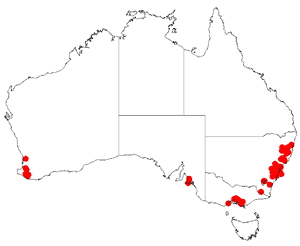
Cedar wattle (Acacia elata)
Also known as: Pepper tree wattle, New year wattle
Cedar wattle (Acacia elata), native to eastern Australia, generally reaches heights of 10-15 meters (33-49 feet), but can grow up to 25 meters (82 feet) in optimal conditions. This species is valued in the timber industry for its durable and fine-grained wood, making it suitable for carpentry and carving.
In This Article
Attributes of Cedar wattle
Lifespan
Perennial
Plant Type
Tree
Plant Height
20 m to 30 m
Spread
10 m
Leaf Color
Dark green
Flower Size
7 mm to 1 cm
Flower Color
White Yellow
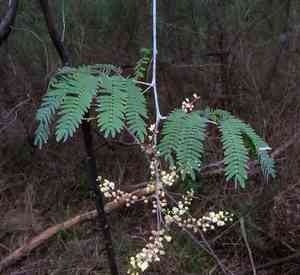
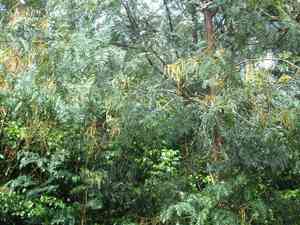
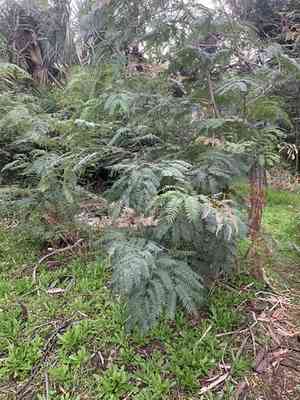
Images of Cedar wattle
Quickly Identify Cedar wattle
1
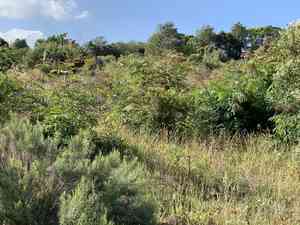
Acacia elata can be identified by its bipinnate leaves, which can be up to 30 cm long, and its creamy yellow, fluffy ball-shaped flower heads which appear in clusters.
Scientific Classification of Cedar wattle
Phylum
Vascular plants
Class
Dicotyledons
Order
Fabales
Family
Legume
Genus
Acacias
Species
Cedar wattle
Planting and Growing of Cedar wattle
Care Difficulty
Easy
Watering Schedule
Every 4 days
Sunlight Requirements
Full sun
Sunshine Duration
6-12 hours
Ideal Temperature
60-77℉
Soil Type
Potting Mix, Peat Mix
Soil pH
6.5-7.5
Fertilizer Type
Balanced
Pruning Season
Spring, Summer
Pruning Area
Branches, Leaves
Pruning Frequency
2 times a year
Repotting Season
Spring
Pot Type
Plastic, Ceramic
 How to Water Cedar wattle?
When watering Acacia elata, ensure that the soil is thoroughly moistened but not waterlogged. Generally, 200 ml of water is sufficient to achieve this for a medium-sized pot. The amount ensures the roots receive adequate moisture while preventing the risk of root rot.
What are the symptoms of an underwatered Cedar wattle?
›
What should I do if my Cedar wattle is not getting enough water?
›
What are the symptoms of an overwatered Cedar wattle?
›
How to save an overwatered Cedar wattle?
›
 What Are the Sunlight Requirements for Cedar wattle?
Acacia elata thrives best in full sunlight throughout the day, supplemented by partial sunlight in the afternoon. This range promotes vigorous growth and enhances the plant's natural resilience.
More About Sunlight Requirements Techniques→
What is the best light for Acacia elata?
›
What solutions ensure ideal lighting?
›
What benefits arise from ideal lighting?
›
 What Is the Ideal Temperature Range for Cedar wattle?
The ideal temperature range for Acacia elata spans from 60°F to 77°F. Within this range, the plant thrives and exhibits optimal growth. Maintaining temperatures in this range ensures that the plant's physiological processes, such as photosynthesis and nutrient uptake, function efficiently. These temperatures mimic the natural environment of the species and help reduce stress, promoting a robust and healthy plant.
 What Soil is Best for Cedar wattle?
Acacia elata thrives in well-draining soils that prevent waterlogging. Good drainage is essential as it allows the roots to receive oxygen and prevents diseases. This ensures healthy growth and reduces root rot risks. While Acacia elata is adaptable, it benefits from soils rich in organic matter. A nutrient-rich soil helps in vigorous growth and promotes a robust flowering period, which attracts pollinators. Although needing good drainage, Acacia elata appreciates soil that can retain moisture without becoming waterlogged. Balanced moisture levels help sustain the plant during dry spells, promoting consistent growth.
 How to Fertilize Cedar wattle?
Acacia elata benefits from a moderate amount of balanced fertilizer. For liquid fertilizer, use a concentration of about 1/2 teaspoon per gallon of water to avoid over-fertilization. Slow-release fertilizers should be applied sparingly, about a handful (approximately 50g) per plant.
 How to Prune Cedar wattle?
Spring and early summer are ideal times to prune your Acacia elata. Wait until after the last frost to begin pruning, as this encourages vigorous growth when the weather warms. Start by trimming smaller branches first to shape the canopy. Make cuts at a 45-degree angle to ensure water runs off and prevent rot. Larger branches should be pruned using a three-cut process to avoid bark tear.
More About Pruning Techniques→
 How to Propagate Cedar wattle plant?
1
Acacia elata seeds require a pre-treatment process to enhance germination. Scarify the seeds by soaking them in hot water before planting, which helps break down the seed coat and encourages sprouting.
2
Select healthy, semi-hardwood cuttings approximately 10-15 cm long, ensuring each has several nodes. Remove leaves from the lower half to prevent rotting when planted in the growing medium.
3
Use a well-draining potting mix, made of equal parts peat and perlite. Insert the cuttings into the mix, ensuring they are vertical and stable. Water sparingly until roots develop to avoid damping off.
 How to Repot Cedar wattle plant?
1
Look for signs such as roots coming out of the drainage holes, slowed growth, or if the plant is becoming top-heavy. These indicate that it's time to consider repotting your Acacia elata to encourage healthy growth and provide it with more space.
2
Select a pot that's slightly larger than the current one, with good drainage holes to prevent waterlogging. A slightly bigger pot allows room for root expansion without overwhelming the plant. Materials like terracotta are ideal as they allow air circulation.
3
Use a well-draining potting mix, ideally one that contains sand or perlite to ensure good drainage. This type of soil prevents root rot by allowing excess water to escape, which is crucial for the well-being of Acacia elata.



