How to Transplant Coastal wattle?
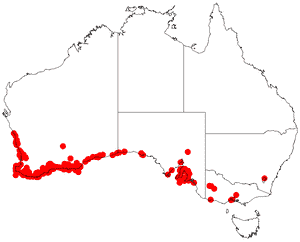
For an optimal beginning for your coastal wattle, relocate it as the cold of winter recedes, generally from the onset of early spring through the commencement of summer. Select a bright spot with soil that drains effectively and shield juvenile plants from powerful gusts to ensure successful rooting.
Preparations Required Before Relocating Coastal Wattle
Optimal Period for Moving Coastal Wattle?
The ideal time to move coastal wattle is from the initial signs of spring to its later stages. Transplanting during this timeframe offers the mild yet stimulating conditions coastal wattle needs to firmly establish its roots in its new spot, setting the stage for vigorous development. These months provide the perfect mix of moderate temperatures and increasing daylight, crucial for coastal wattle to flourish after being moved. This timing ensures that the gentle weather aids root growth before summer's heat, leading to a healthier, more resilient coastal wattle. By selecting this season, you give coastal wattle the best chance for success, allowing it to integrate smoothly into your garden with minimal stress.
Required Spacing Between Coastal Wattle Plants?
When planning the new location for your coastal wattle, aim for ample distance between each plant. A gap of approximately 15-20 feet (4.5-6 meters) should provide sufficient room for them to expand as they mature!
Best Soil Blend for Coastal Wattle Relocation?
For thriving coastal wattle roots, prepare a bed of soil that drains well, enriching it with aged compost or a balanced slow-release fertilizer. This offers a nutrient-rich beginning that will support your coastal wattle as they settle in.
Recommended Location for Your Coastal Wattle?
Choose a sunny spot for your coastal wattle, an area that receives full sunlight for most of the day. These plants love the sun's rays, so a location with abundant daylight will help them flourish beautifully!
Equipment to Prepare Before Transplanting Coastal Wattle?
Gardening Gloves
To safeguard your hands while handling soil and plants.
Shovel or Spade
For excavating the plant and creating a new hole in the ground.
Pruning Shears
To trim any damaged or excess roots or foliage.
Watering Can or Hose
To hydrate the coastal wattle before and after its relocation.
Wheelbarrow or Tarp
To move the coastal wattle from its original spot to the new site.
Rooting Hormone (optional)
To stimulate root development post-transplant.
How to Extract Coastal Wattle from the Soil?
How to Extract Coastal Wattle from the Soil?
From Ground: Hydrate the coastal wattle to soften the earth. Use a shovel to dig widely around the plant, keeping the root ball intact. Gently slide the spade beneath to lift the coastal wattle from the soil.From Pot: Tilt the container sideways, tap its sides and bottom, and carefully pull the coastal wattle out. Loosen the root ball if it's tightly bound, being careful not to harm the roots.From Seedling Tray: Moisten the soil in the tray. Use a dibber or your fingers to gently remove the coastal wattle seedling without disturbing its roots.
Step-by-Step Guide for Relocating Coastal Wattle
Preparation
Gather all necessary tools and prepare the new planting area by clearing any weeds or debris.
Root Pruning
Trim any overly long or damaged roots of the coastal wattle to encourage healthy growth.
Hole Digging
Excavate a hole at the new location that is twice as wide and equally deep as the coastal wattle's root ball.
Placement
Position the coastal wattle in the center of the hole, ensuring it stands upright and at the same depth it was previously growing.
Filling In
Backfill the hole with soil, gently firming it around the base of the coastal wattle to remove air pockets.
Watering
Thoroughly water the coastal wattle to settle the soil and hydrate its roots.
Support
If the coastal wattle is large or exposed to wind, stake it for support until it is established.
Post-Transplant Care for Coastal Wattle?
Watering Routine
Gradually decrease watering frequency after the initial period, allowing the soil surface to dry between watering sessions to prevent overwatering.
Mulching
Apply a layer of organic mulch around the base of the coastal wattle to retain soil moisture and regulate temperature.
Monitoring
Regularly inspect the coastal wattle for signs of stress, such as wilting leaves or discoloration, and adjust care as needed.
Pruning
Remove any dead or damaged branches to help the coastal wattle direct its energy towards establishing new roots and growth.
Addressing Common Issues with Coastal Wattle Relocation.
How do I determine the best time to move coastal wattle?
Relocate coastal wattle as it emerges from dormancy, ideally from early to late spring for optimal root establishment.
What should be the distance between coastal wattle when moving them?
Allow coastal wattle ample room to flourish by spacing them 15-20 feet (4.5-6 meters) apart. Proper spacing ensures sufficient sunlight and air circulation.
Why are my coastal wattle saplings wilting after being moved?
Wilting may be due to transplant shock. Keep the soil consistently moist and shield the plants from intense sunlight for a few days.
How deep should I dig to move coastal wattle?
Dig a hole as deep as the root ball and twice as wide to provide coastal wattle roots ample space to spread.
Can I move coastal wattle on a hot, sunny day?
Move coastal wattle on an overcast day or in the late afternoon to minimize stress and prevent immediate water loss.
What kind of soil is ideal for moving coastal wattle?
Use well-draining soil rich in organic matter to give coastal wattle a healthy start. Avoid waterlogged or very dry soils.
How often should I water coastal wattle after moving it?
Water coastal wattle thoroughly after moving and then regularly, allowing the soil to dry slightly between waterings.
Should I fertilize coastal wattle after moving it?
Wait a few weeks before fertilizing coastal wattle to prevent root burn. Use a balanced, slow-release fertilizer.
How can I protect coastal wattle from pests after moving it?
Monitor coastal wattle regularly for pests. Use organic pesticides or introduce beneficial insects if necessary.
What should I do if coastal wattle leaves turn yellow after moving?
Yellowing leaves might indicate overwatering or poor drainage. Ensure the soil drains well and reduce watering frequency.



