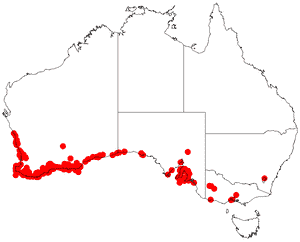
Coastal wattle (Acacia cyclops)
Also known as: Cyclops acacia, Red-eye, Cyclops wattle
The coastal shrub you're referring to is known as Acacia cyclops. Native to Australia, its seed pods are notable for their resemblance to a bloodshot eye. The wood from this plant has been traditionally used for making tools. Indigenous communities also utilized different parts of Acacia cyclops for food, insect repellent, and sunscreen.
In This Article
Attributes of Coastal wattle
Lifespan
Perennial
Plant Type
Shrub
Plant Height
80 cm to 4 m
Spread
3 m to 3.5 m
Leaf Color
Green
Flower Size
0.5-1 cm
Flower Color
Yellow
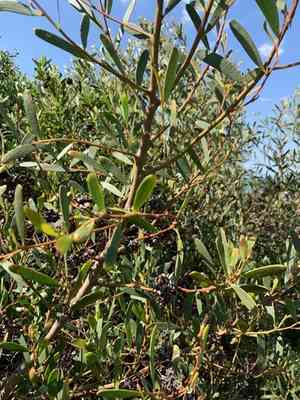
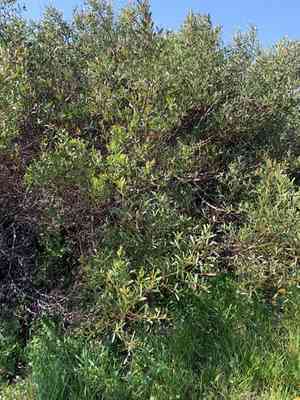
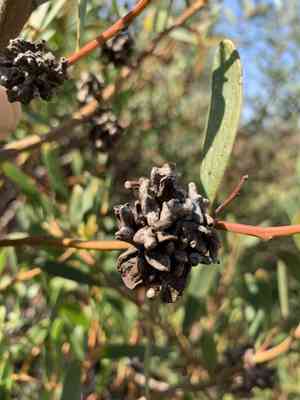
Images of Coastal wattle
Quickly Identify Coastal wattle
1
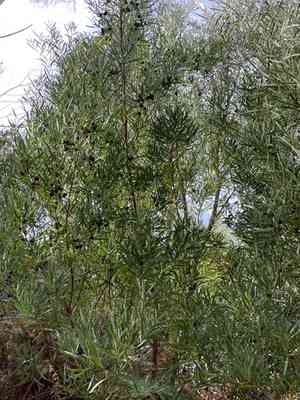
Identify Acacia cyclops by its phyllodes (leaf-like structures) which are elongated and narrow. The bright yellow, spherical flower heads and the pods with a red aril around the seeds are also key identification markers.
Scientific Classification of Coastal wattle
Phylum
Vascular plants
Class
Dicotyledons
Order
Fabales
Family
Legume
Genus
Acacias
Species
Coastal wattle
Planting and Growing of Coastal wattle
Care Difficulty
Easy
Watering Schedule
Every 2 days
Sunlight Requirements
Full sun
Sunshine Duration
6-12 hours
Ideal Temperature
68-77℉
Soil Type
Potting Mix, Peat Mix
Soil pH
6.5-7.5
Fertilizer Type
Balanced
Pruning Season
Spring, Summer
Pruning Area
Branches, Leaves
Pruning Frequency
2 times a year
Repotting Season
Spring
Pot Type
Plastic, Ceramic
 How to Water Coastal wattle?
Acacia cyclops prefers a moderate watering approach where the soil is allowed to dry out between waterings. Water approximately 250 ml to thoroughly moisten the root zone without creating waterlogging conditions. The goal is to ensure that the water penetrates deep into the soil, encouraging deep root growth.
What are the symptoms of an underwatered Coastal wattle?
›
What should I do if my Coastal wattle is not getting enough water?
›
What are the symptoms of an overwatered Coastal wattle?
›
How to save an overwatered Coastal wattle?
›
 What Are the Sunlight Requirements for Coastal wattle?
Full to partial sunlight is ideal, equating to 6-8 hours of daily exposure. This range maximizes growth potential and floral development, ensuring overall plant health and resilience.
More About Sunlight Requirements Techniques→
Optimal Environment
›
Sunlight Solutions
›
Benefits of Ideal Lighting
›
 What Is the Ideal Temperature Range for Coastal wattle?
The ideal temperature range for Acacia cyclops is between 68°F and 77°F. Within this range, the plant is likely to grow optimally, exhibiting robust foliage and consistent blooming patterns. Temperatures within these limits allow for proper enzymatic activity and physiological processes essential for healthy growth.
 What Soil is Best for Coastal wattle?
Acacia cyclops thrives in soils with good drainage. This aspect ensures that the roots are not waterlogged, preventing root rot and promoting healthy growth. The plant benefits from soil rich in nutrients, particularly nitrogen. This aids in robust plant development and vibrant foliage. Preferring slightly acidic to neutral pH levels, Acacia cyclops avoids nutrient lock-up and maintains optimal nutrient absorption.
 How to Fertilize Coastal wattle?
Acacia cyclops requires a balanced approach to fertilization. Use a general-purpose fertilizer diluted at half strength to provide essential nutrients without overwhelming the plant. For liquid fertilizers, mix 5-10 ml per liter of water. For slow-release granular fertilizers, apply approximately 1kg per square meter.
 How to Prune Coastal wattle?
Begin by removing any dead or diseased branches using sharp, clean pruning shears. Focus on maintaining an open center to improve air circulation, which reduces the risk of fungal infections. Trim back lateral branches to shape the plant and maintain a balanced form. Avoid removing more than one-third of the plant at once to minimize stress. To shape Acacia cyclops, target young, green shoots before they become too woody. Prune back to a healthy lateral bud rather than cutting mid-stem, which helps direct new growth outward instead of inward. This technique preserves the natural form while managing overgrown areas.
More About Pruning Techniques→
 How to Propagate Coastal wattle plant?
1
To propagate Acacia cyclops from seeds, collect mature seed pods from the plant. Dry the pods until they open naturally, releasing the seeds. This ensures that you are using viable seeds.
2
Select a healthy branch and use pruning shears to make a clean cut at a 45-degree angle. Remove leaves from the lower half to reduce water loss and focus energy on rooting.
3
Sow the seeds in seed trays filled with a well-draining potting mix. Cover them lightly with soil and water thoroughly. Keep the soil moist but not waterlogged to encourage germination.
 How to Repot Coastal wattle plant?
1
Acacia cyclops should be repotted when you notice roots growing out of drainage holes, or when the plant seems to outgrow its container. A sign that the plant needs repotting is when the growth rate slows down despite optimal growing conditions, indicating a need for fresh soil and more space.
2
When selecting a pot for Acacia cyclops, ensure it's one size larger than the current pot with adequate drainage holes. A pot that is too large can hold excess moisture, leading to root rot, while having sufficient drainage will prevent water stagnation, maintaining healthier roots.
3
Opt for a well-draining, sandy soil mix that replicates the Acacia's natural habitat. This soil choice helps prevent waterlogging, providing the root system with ample oxygen and preventing fungal diseases, ensuring robust growth and stability.
Toxicity
Ingestion
WARNING
The judgment on toxicity and danger is for reference only. We DO NOT GUARANTEE any accuracy of such judgment. Therefore, you SHALL NOT rely on such judgment. It is IMPORTANT TO SEEK PROFESSIONAL ADVICE in advance when necessary.



