How to Prune Coastal wattle?
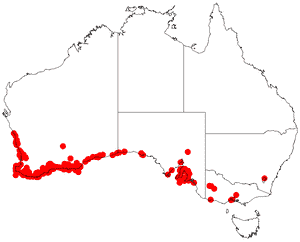
This resilient, perennial shrub is recognized for its compact, spherical development and capacity to flourish in seaside environments. For coastal wattle, trim during the winter season to stimulate robust spring development. Eliminate any lifeless or ailing branches, thin out congested sections to enhance air movement, and sculpt as preferred, concentrating on preserving its inherent shape. Trimming coastal wattle diminishes the likelihood of infestations and fosters a sturdy, sound framework, elevating its aesthetic and ecological contributions.
What Are the Benefits of Pruning Coastal Wattle?
What Are the Benefits of Pruning Coastal Wattle?
Trimming coastal wattle promotes robust development and maintains its intended form. Consistent cutting helps redirect energy to healthier limbs, boosting the plant's overall vigor and look.
What Is the Best Time for Pruning Coastal Wattle?
What Is the Best Time for Pruning Coastal Wattle?
Pruning during late winter to early spring ensures coastal wattle experiences minimal stress as it is not actively growing during this dormant phase. At this time, sap flow is reduced, minimizing bleeding and the potential for disease entry. It also prepares coastal wattle for vigorous spring growth, as removing dead or overgrown branches can stimulate new development. This timing also prevents the removal of flower buds, ensuring the flowering period is not negatively impacted.
What Tools Do I Need to Prune Coastal Wattle?
Hand Pruners
Crucial for cutting through small branches and twigs, hand pruners are perfect for precise trimming of coastal wattle. Their compact size allows gardeners to make clean cuts without causing unnecessary plant damage.
Lopping Shears
For branches too thick for hand pruners, lopping shears provide longer handles for increased leverage. These are suitable for managing thicker coastal wattle growth without straining the gardener's hands.
Pruning Saw
When dealing with mature coastal wattle specimens that have developed large branches, a pruning saw is essential. Its sharp teeth easily cut through wood that hand pruners and lopping shears cannot manage.
Hedge Shears
If shaping coastal wattle or maintaining a specific form is desired, hedge shears are appropriate for quickly and cleanly trimming soft growth and achieving a tidy appearance.
Pole Pruner
For higher branches that are out of reach, a pole pruner enables the gardener to prune coastal wattle without using a ladder, offering a safer option for elevated pruning tasks.
Gloves
While not a pruning tool, gloves are vital for protecting the gardener's hands from the thorns commonly found on coastal wattle. They ensure safe and comfortable pruning sessions.
How to Prune Coastal Wattle
Identify
Examine coastal wattle thoroughly, looking for withered leaves, dead branches, and signs of disease. Focus on parts that are visibly damaged or unhealthy.
Sanitize
Sterilize your pruning tools to prevent the spread of disease. This can be done using a solution of bleach or rubbing alcohol.
Cut Withered Leaves
Remove withered leaves from coastal wattle by cutting them at the base using sharp, clean scissors. This improves the plant's appearance and prevents it from wasting resources.
Remove Dead Branches
Prune dead branches by making cuts at a 45-degree angle just above a live bud or the branch collar. This angle promotes healing and prevents water from accumulating on the cut surfaces.
Eliminate Diseased Branches
Carefully cut away diseased branches from coastal wattle, ensuring you cut well into the healthy tissue to remove the entire infected area. Dispose of diseased clippings immediately to prevent contamination.
Common Pruning Mistakes with Coastal Wattle
Overpruning
Removing too much growth in one session can stress coastal wattle, leading to poor health or stunted growth. Aim to prune no more than one-third of the plant at a time.
Harsh cuts
Making jagged or torn cuts can damage coastal wattle's branches, making them susceptible to disease or pests. Use sharp tools to make clean cuts.
Too close pruning
Cutting too close to the main trunk or remaining branch can harm coastal wattle by removing necessary growth nodes important for regrowth. Leave a small stub.
Neglecting tool hygiene
Not sterilizing tools between cuts and plants can spread disease. Clean your pruning tools with a disinfectant to protect health.
Ignoring plant structure
Failing to consider the natural growth pattern of coastal wattle can result in an imbalanced shape and weaken the structure. Prune with the plant's form in mind.
Common Pruning Tips for Coastal Wattle
Selective thinning
Remove selective branches to increase light penetration and air circulation within coastal wattle's canopy for healthier growth.
Shape maintenance
Regular light pruning will help maintain the desired shape of coastal wattle without the need for drastic cutting back later.
Deadwood removal
Cut away dead or diseased wood as soon as noticed to prevent decay spreading and to conserve the plant's energy.
Supportive growth
Encourage strong scaffolding branches by pruning weaker, competing branches, especially in the young coastal wattle's formative years.
Flowering promotion
For species that flower on new growth, strategic pruning can stimulate blooming by encouraging new shoots on coastal wattle.
Height control
To keep coastal wattle at a manageable height, prune the topmost branches, which will also encourage lateral growth and denser foliage.



