How to Transplant Winged wattle?
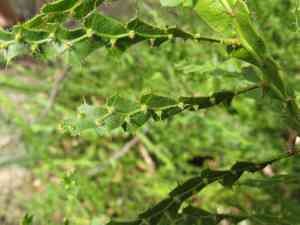
Winged wattle flourishes when transplanted between early and late spring, benefiting from ideal growth circumstances. Provide a bright, adequately drained location for superior outcomes. Carefully manage the root system to lessen shock and aid in successful settling.
Essential Preparations Before Relocating Winged Wattle?
Optimal Period for Moving Winged Wattle?
The most favorable time for relocating winged wattle spans from the beginning of spring throughout its entirety. This timing allows the plant to benefit from warmer soil, which promotes root development and helps it settle in before the intense summer heat. Transplanting during this window maximizes its growth potential and fosters a healthier, more robust plant.
Required Spacing Between Winged Wattle Plants?
For winged wattle, ensure each plant is positioned 36-60 inches (91-152 cm) apart. This distance provides ample room for them to develop and thrive without becoming overcrowded.
Ideal Soil Blend for Winged Wattle Relocation?
Prepare a well-draining soil mixture enhanced with organic compost for winged wattle. This species flourishes in soils with a slightly acidic to neutral pH. Incorporating a balanced base fertilizer can also boost growth and overall health.
Preferred New Location for Your Winged Wattle?
Choose a sunny spot for winged wattle, as it requires abundant sunlight. Aim for an area that receives at least 6-8 hours of direct sun daily to ensure your plants prosper.
Equipment Needed Before Relocating Winged Wattle?
Gardening Gloves
To safeguard your hands while handling soil and the plant.
Shovel or Spade
For excavating the plant and preparing the new planting site.
Watering Can or Hose
For hydrating the plant before and after its move.
Hand Trowel
Useful for smaller, more precise digging tasks and soil manipulation.
Pruning Shears
To trim any damaged roots or branches.
Wheelbarrow
To transport the plant if it's heavy or if the new spot is distant.
How to Extract Winged Wattle from its Current Location?
How to Extract Winged Wattle from its Current Location?
From Ground: First, moisten the soil around the winged wattle plant by watering it. Next, dig a wide trench around the plant using a shovel or spade, making sure the plant's root ball stays intact. Carefully work the spade beneath the root ball to lift the plant from its original spot.From Pot: Water the winged wattle plant thoroughly to facilitate easier root removal. Tap the pot's sides to loosen the soil, then gently tilt the pot and ease the plant out, taking care not to harm the roots.From Seedling Tray: Initially water the seedlings. Use a hand trowel or your fingers to gently lift the winged wattle from the tray, ensuring you retrieve as much of the root ball as possible without disturbing the roots.
Step-by-Step Guide for Relocating Winged Wattle
Site Preparation
Prepare the new planting area by digging a hole that is twice the width and the same depth as the root ball of your winged wattle plant.
Soil Improvement
Loosen the soil at the base of the hole and, if necessary, mix in compost or other soil amendments to enhance drainage and nutrient content.
Plant Positioning
Place the winged wattle plant into the hole, ensuring the top of the root ball is level with or slightly above the surrounding ground. Backfill the hole with soil, gently pressing down to remove air pockets.
Watering
Water the plant thoroughly after relocation to settle the soil around the roots. Ensure the water reaches the base of the root ball.
Mulching
Apply a layer of mulch around the plant's base to help retain moisture, suppress weeds, and regulate soil temperature.
Post-Relocation Care for Winged Wattle?
Watering
Keep the soil around the winged wattle consistently moist, but not waterlogged, for the initial weeks after relocation to aid in developing strong roots.
Monitoring
Observe the plant for any indications of stress such as wilting or yellowing leaves, and take corrective measures if needed.
Pruning
If any parts of the plant were damaged during relocation, trim them off to encourage healthy new growth.
Support
If the winged wattle plant is tall or has a heavy upper structure, consider staking it to provide support until it becomes firmly established.
Addressing Common Issues with Winged Wattle Relocation.
When is the best time to relocate winged wattle?
The ideal time to relocate winged wattle is from early to late spring for optimal growth.
What spacing should I use for relocating winged wattle?
Ensure a distance of 36-60 inches (90-150 cm) between plants for proper development.
How should I prepare the soil for winged wattle?
Utilize well-draining soil enriched with organic matter to help winged wattle thrive after its move.
How deep should I plant winged wattle?
Plant winged wattle at the same depth it was previously growing in its container to prevent shock.
What should I do if winged wattle shows signs of relocation stress?
Maintain consistently moist but not waterlogged soil and provide partial shade until it recovers.
How often should I water winged wattle after relocating?
Water winged wattle thoroughly after relocation, then regularly keep the soil moist without overwatering.
Can I fertilize winged wattle immediately after relocating?
Wait a few weeks before fertilizing winged wattle to allow its roots to establish in the new soil.
Should I prune winged wattle before or after relocating?
Lightly prune winged wattle before relocating to reduce stress and promote new growth.
What kind of mulch is best for winged wattle?
Use organic mulch such as wood chips or bark to retain soil moisture and regulate temperature.
Why are the leaves of winged wattle turning yellow after relocating?
Yellow leaves can indicate overwatering or poor soil drainage; adjust irrigation practices accordingly.



