How to Propagate Winged wattle?
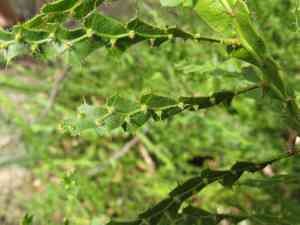
Winged wattle is a distinctive bush featuring prominent winged stalks and vibrant yellow blossoms. To achieve successful propagation, employ semi-hardwood cuttings along with a rooting hormone gel to stimulate root formation. Maintain the growing medium as well-drained yet damp, and supply ample, indirect illumination. Verify that all cuttings originate from vigorous, pathogen-free specimens. These recommendations collectively foster strong development for winged wattle.
When Is the Optimal Time to Propagate Winged Wattle?
Propagation Type
Cutting
Propagation Season
Spring,Summer
What Equipment Is Used for Winged Wattle Propagation?
Sharp Pruning Shears
Utilize sharp pruning shears to obtain healthy, clean cuttings from winged wattle. The precision and cleanliness of the cut help minimize plant tissue damage and reduce the risk of infections.
Rooting Hormone
Rooting hormone encourages root development on stem cuttings. It improves the likelihood of successful root formation by stimulating cellular growth in the cut area.
Propagation Trays
Propagation trays are useful for organizing and managing multiple cuttings. They allow for easy labeling and monitoring of each cutting's progress, ensuring consistent moisture and temperature control.
Humidity Dome
A humidity dome creates a moist environment essential for winged wattle's cuttings to prevent them from drying out. It helps maintain high humidity levels, which are crucial for root development and overall plant health during the initial stages of propagation.
Sharp Knife or Scalpel
A sharp knife or scalpel is necessary for finely trimming cuttings or removing excess leaves from the cuttings without causing undue damage to the plant tissue.
Sterilizing Solution
Sterilizing solution is essential for cleaning tools and equipment to prevent the spread of diseases and pests. Ensuring all cutting tools are disinfected reduces the risk of contamination during the propagation process.
Heat Mat
A heat mat helps maintain a consistent bottom heat, which is beneficial for stimulating root growth in winged wattle's cuttings. Providing gentle warmth encourages faster and more robust root development.
How to Propagate Winged Wattle?
Propagation Type
Moderately Difficult
How to Care for Your Newly Propagated Winged Wattle?
How to Care for Your Newly Propagated Winged Wattle?
After propagation, winged wattle needs a sunny spot with well-draining soil. Water young plants regularly to keep the soil moist until they are well-established but be cautious of overwatering. Apply a balanced, slow-release fertilizer during the growing season to support healthy growth. Prune to maintain shape and encourage bushiness, and protect from frost during winter months.
Common Mistakes to Avoid When Propagating Winged Wattle
Insufficient Seed Scarification
Seeds of winged wattle have a hard coat which requires scarification to germinate. Failing to scarify the seeds can result in poor germination rates.
Overwatering
Excessive water can lead to root rot and fungal infections, which are detrimental to the health of seedlings.
Improper Soil Mixture
Using a soil mixture that retains too much moisture or lacks proper drainage can inhibit seedling growth.
Neglecting Light Requirements
Propagating winged wattle in areas without adequate light can lead to weak, leggy growth and underdeveloped roots.
Ignoring Temperature Fluctuations
Inconsistent temperatures during germination and early growth can stress the seedlings, reducing their chances of survival.
Tips For Propagating Winged Wattle
Proper Scarification
Lightly sand or nick the seed coat before sowing to improve water absorption and germination rates. Alternatively, soak seeds in warm water for 24 hours.
Controlled Watering
Water sparingly to maintain a moist, but not waterlogged, environment. Ensure the soil has good drainage to prevent root diseases.
Optimal Soil Mix
Use a well-draining soil mix, such as a combination of sand, loam, and a small amount of organic matter, to provide a suitable growing medium.
Adequate Light Exposure
Place seedlings in a location with plenty of sunlight, ideally around 6 hours of direct light per day, to promote healthy growth.
Stable Temperature
Maintain consistent temperatures that mimic the natural growing conditions of winged wattle, avoiding sudden drops or spikes to ensure robust seedling development.



