How to Prune Winged wattle?
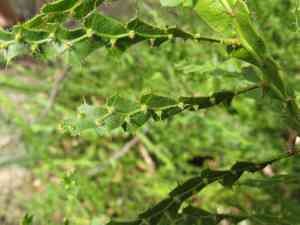
Recognized for its unique alate stems, winged wattle thrives with early spring pruning, prior to the emergence of new shoots. Cut away any deceased or impaired branches and sculpt the plant to preserve its compact structure. Eliminating aged wood stimulates vigorous flowering and general plant well-being. Pruning additionally aids in preventing the plant from becoming excessively thick, thereby enhancing air movement and lowering the likelihood of disease. To achieve the best outcomes, utilize sharp, sanitized implements for accurate incisions, safeguarding the plant from harm.
What Are the Benefits of Pruning Winged Wattle?
What Are the Benefits of Pruning Winged Wattle?
Winged wattle thrives with trimming, promoting vigorous growth and maintaining its form. Pruning improves air circulation, lowers disease risk, and encourages denser foliage, keeping the plant healthy, attractive, and manageable.
What Is the Best Time for Pruning Winged Wattle?
What Is the Best Time for Pruning Winged Wattle?
Trimming winged wattle in early spring is ideal as it aligns with the plant's growth cycle. During this period, winged wattle is either still dormant or just starting to emerge, minimizing stress on the plant. Pruning then stimulates robust new growth and ensures the plant has ample time to recover and produce new shoots before the blooming season. Additionally, this timing helps prevent the spread of diseases and pests, which are less active in cooler temperatures.
What Tools Do I Need to Prune Winged Wattle?
Bypass Pruners
These are perfect for making clean cuts on live stems and branches up to 2 cm thick. Winged wattle has somewhat delicate foliage, and bypass pruners minimize damage.
Lopping Shears
Suitable for thicker branches that are too large for bypass pruners, typically up to 4-5 cm in thickness. Winged wattle can sometimes develop thicker branches that require the extra leverage provided by loppers.
Pruning Saw
Required for branches thicker than 5 cm. Winged wattle may occasionally have older, thicker branches that need removal.
Hedge Shears
Useful for maintaining shape and controlling size, especially after flowering. Winged wattle benefits from periodic shaping to encourage bushier growth.
Long-handled Pole Pruners
Convenient for reaching higher branches without needing ladders, ensuring gardener's safety when trimming taller sections of winged wattle.
Cleaning Brush and Sharpener
Essential for keeping tools in good condition, ensuring clean cuts and extending the lifespan of the pruning tools used on winged wattle.
How to Prune Winged Wattle
Assess
Start by thoroughly inspecting winged wattle to identify diseased leaves, withered leaves, dead branches, and diseased branches. Confirm which parts require trimming.
Clean
Ensure your pruning tools are clean and sanitized to prevent disease spread. Disinfect tools with a solution of one part bleach to nine parts water.
Remove Diseased Leaves
Carefully trim away any diseased leaves, making clean cuts to avoid damaging healthy parts of the plant. Dispose of these leaves away from the plant area to prevent contamination.
Remove Dead Branches
Use sharp pruning shears to cut back dead branches to the nearest healthy part of the plant. Make angled cuts just above a node or where the branch meets a larger stem.
Remove Diseased Branches
Identify branches that show signs of disease and prune them well below the affected area. Ensure the cut is clean and dispose of the diseased branches appropriately to prevent spread.
Common Pruning Mistakes with Winged Wattle
Improper Technique
A common error is using dull or dirty pruning tools, which can harm the plant by causing tears or bruises instead of clean cuts. This can lead to infections and poor healing.
Over-Pruning
Removing too much foliage at once can significantly stress the plant, leading to poor flowering and growth. It's important to balance the desire for shaping with the plant's health needs.
Incorrect Timing
Pruning at the wrong times can disrupt the flowering cycle of winged wattle and may result in fewer blooms. Although the best season for pruning is not being discussed, being aware of the flowering schedule is crucial.
Common Pruning Tips for Winged Wattle
Use Sharp Tools
Always use sharp, clean tools to make precise cuts. This aids in quick healing and reduces the risk of disease.
Make Clean Cuts
Cut just above a node or bud to encourage new growth. Ensure the cut is at an angle to facilitate water runoff, preventing rot.
Gradual Pruning
Instead of heavy pruning in one session, aim for gradual shaping by trimming small amounts regularly. This lessens plant stress and maintains a healthier structure.
Maintain Airflow
Pruning should aim to remove dead or crowded branches, allowing better airflow within the plant. This helps reduce mold and fungal issues, promoting overall plant health.
Focus on Shaping
Shape the plant by selectively cutting back long, unruly branches. This helps maintain a pleasing form and promotes even growth.



